
















Introduction
Solo mountain camping offers something few other experiences can match: complete freedom, deep focus, and a strong sense of self-reliance. Whether you’re hiking into alpine terrain or setting up camp above the tree line, going alone forces you to rely on your own judgment, preparation, and awareness.
But with that freedom comes real risk. In remote mountain environments, small mistakes—like losing your way or running out of battery on your phone—can quickly turn into serious problems.
That’s why successful solo camping isn’t just about adventure. It’s about preparation, safety, and making sure your essential gear—including your power supply—is ready for anything.
How Should You Plan Your Solo Mountain Camping Trip
Choose the Right Location and Difficulty Level
Start with a route that matches your experience. If you’re new to solo camping, avoid overly remote or technical terrain. Look for well-marked trails, moderate elevation gain, and areas with some level of accessibility.
Inform Someone About Your Plan
Always share your itinerary with a trusted contact. Include your route, expected return time, and emergency plan. In case something goes wrong, this step can be critical.
Check Weather and Seasonal Conditions
Mountain weather changes fast. Check forecasts right before departure and prepare for temperature swings, wind, and possible storms.
Plan Your Power Needs
One of the most overlooked aspects of trip planning is power. Your phone, GPS, headlamp, and even camera all rely on battery life. Over a multi-day trip, keeping these devices running becomes essential—not optional.
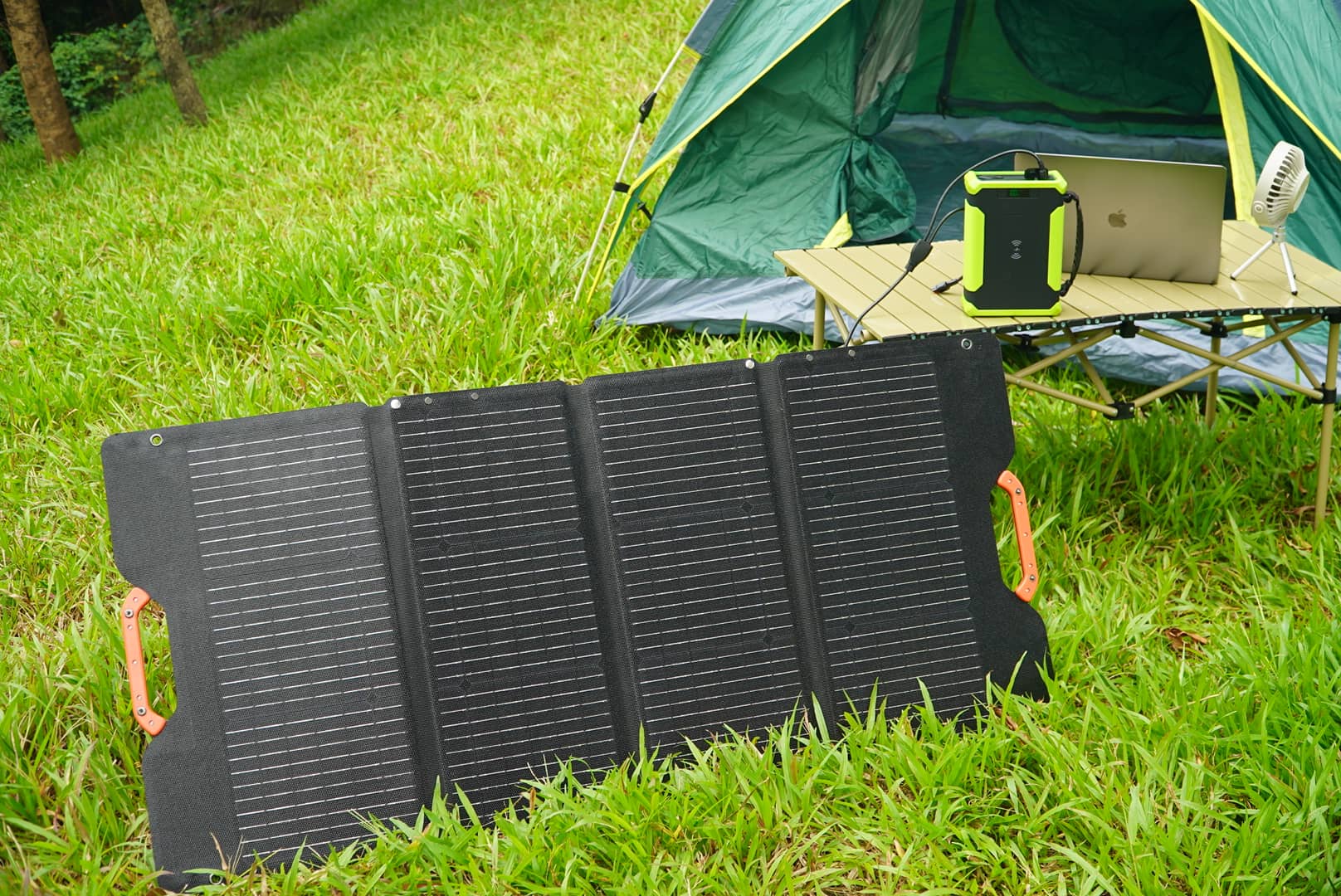
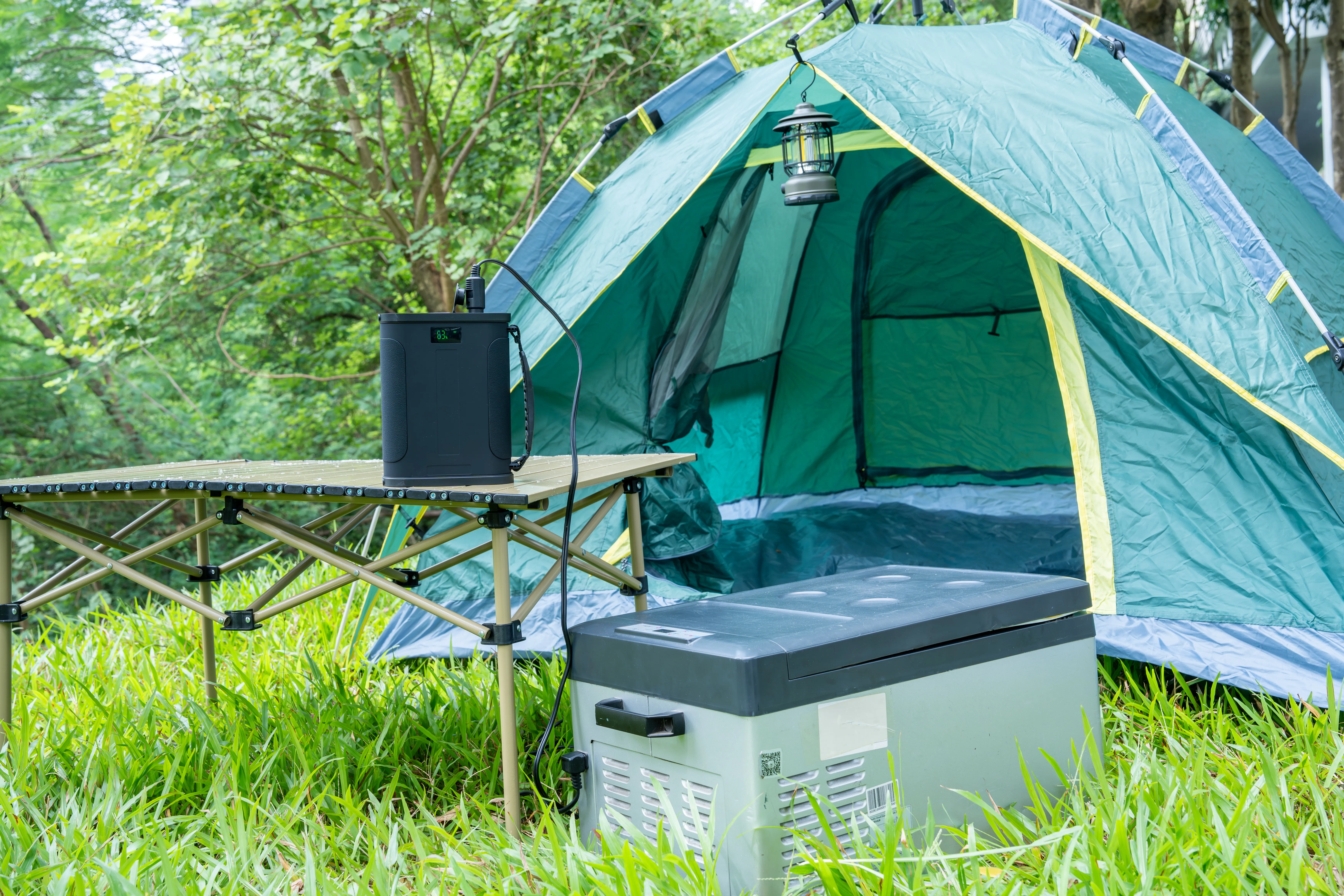
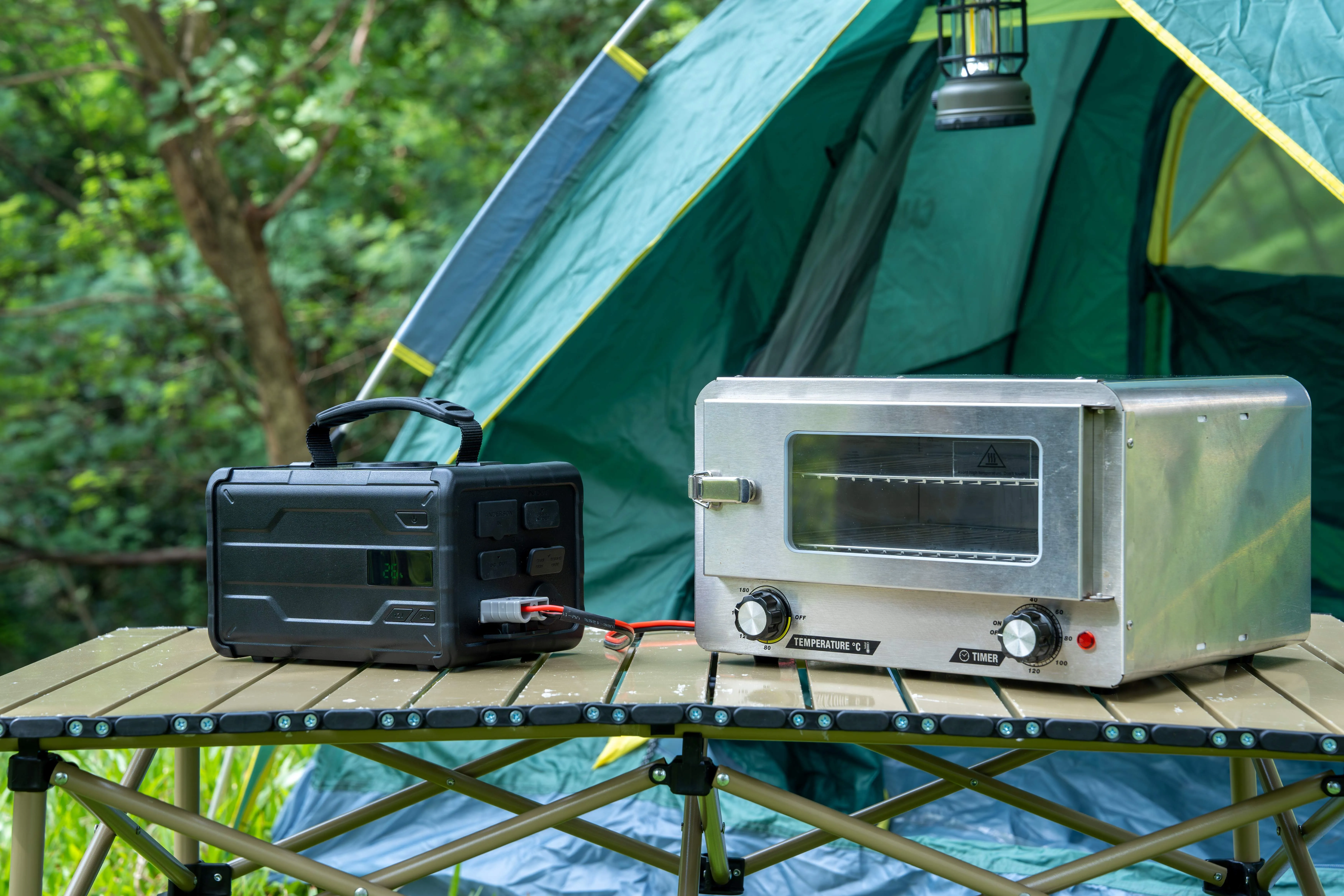
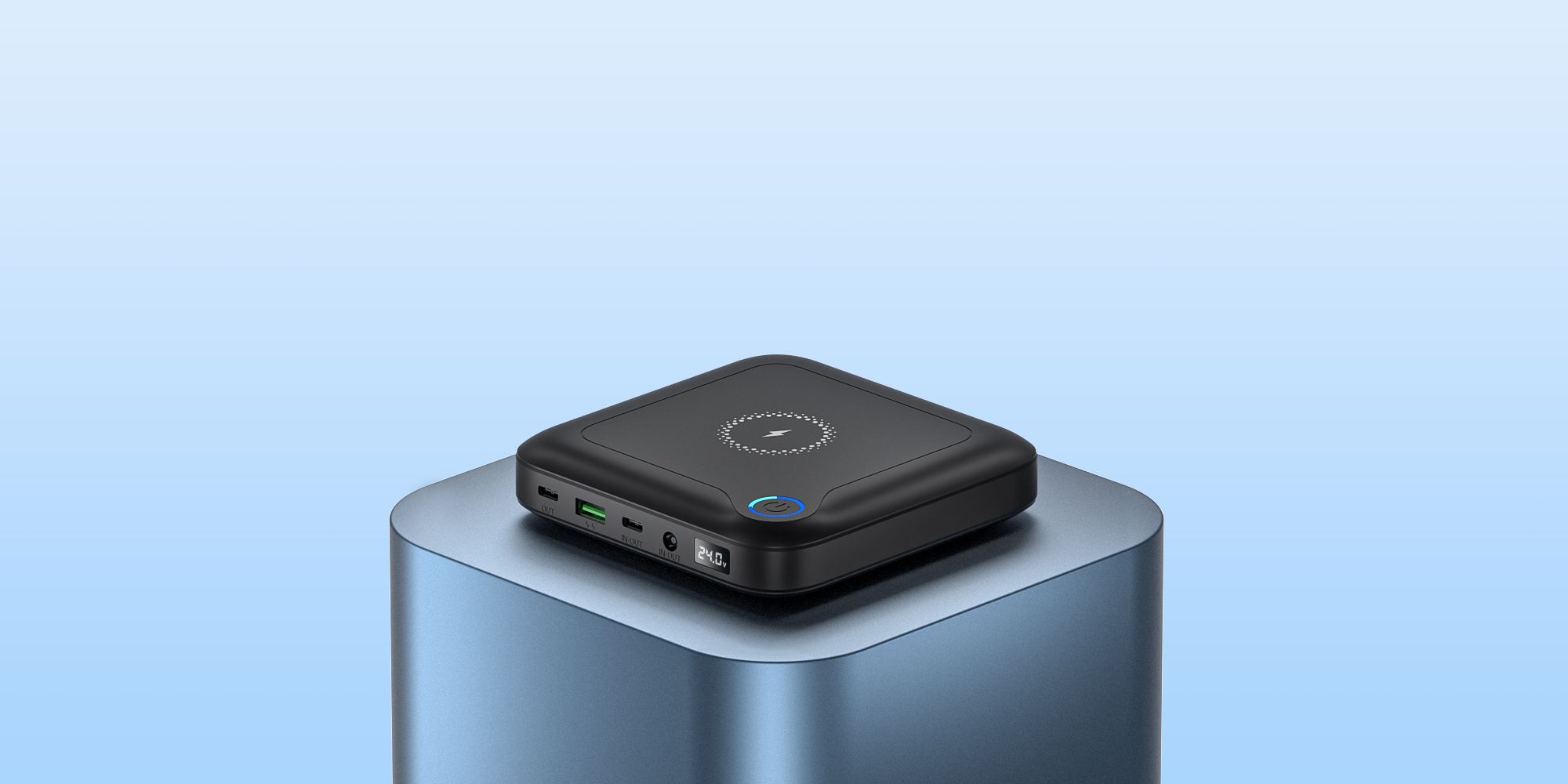
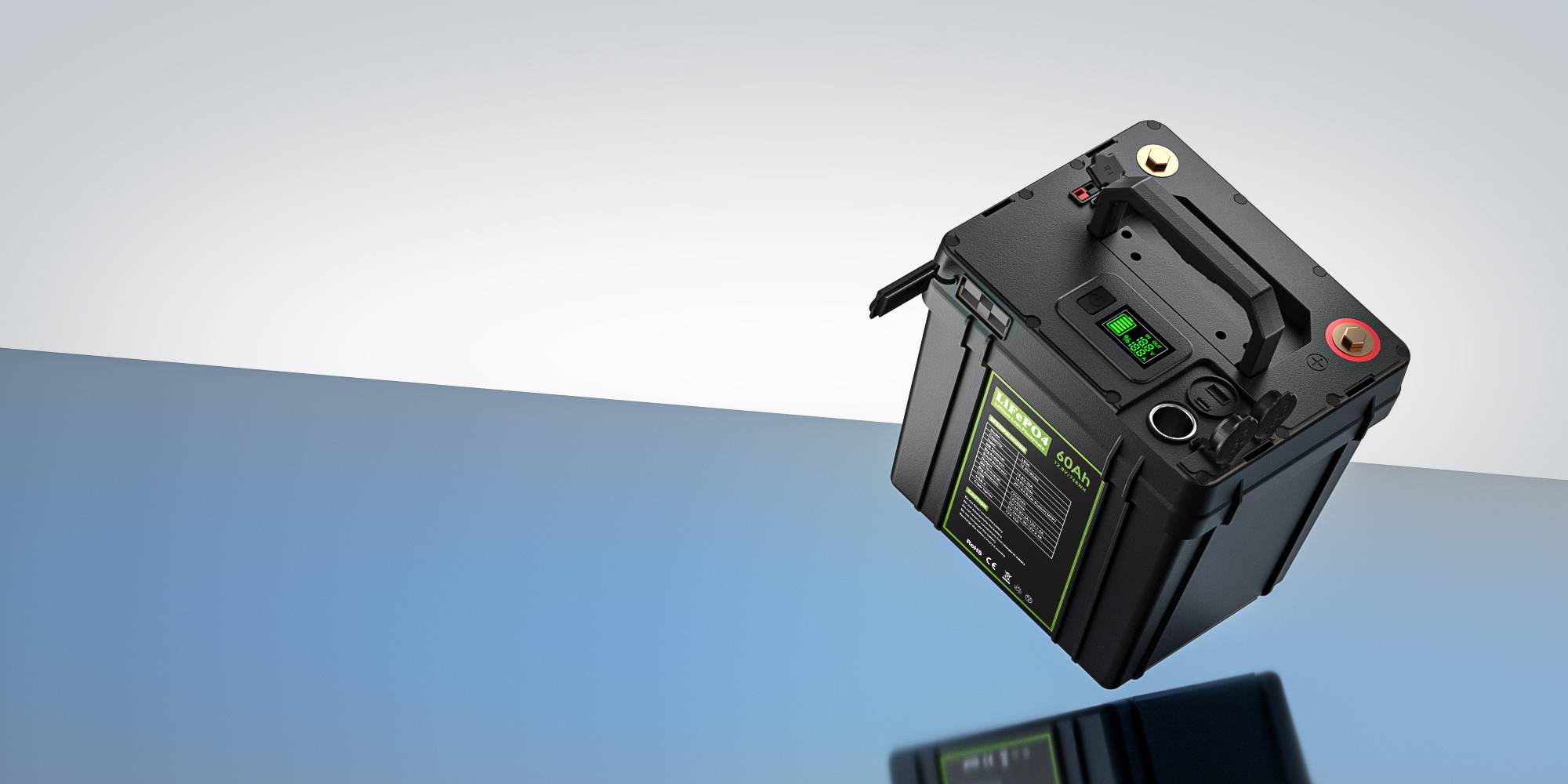
Many experienced campers now consider a high-capacity 50000mAh power bank a standard part of their kit. It provides enough backup power to keep essential devices running throughout the trip, reducing the risk of being left without communication or navigation tools.
How Can You Stay Safe While Camping Alone in the Mountains
Navigation and Communication Safety
Always carry both digital and offline navigation tools. Download maps in advance and bring a backup like a compass or printed map. In many mountain areas, signal coverage is unreliable or nonexistent.
Emergency Preparedness
Pack a basic first aid kit, a whistle, and emergency signaling tools. Know how to respond to injuries, weather changes, and unexpected delays.
Wildlife Awareness
Research the wildlife in your area and store food properly. Avoid attracting animals by keeping a clean campsite and using bear-proof containers when necessary.
Keep Your Devices Powered
Your phone is more than just a convenience—it’s your lifeline. It holds your maps, emergency contacts, and can be your only connection to help.
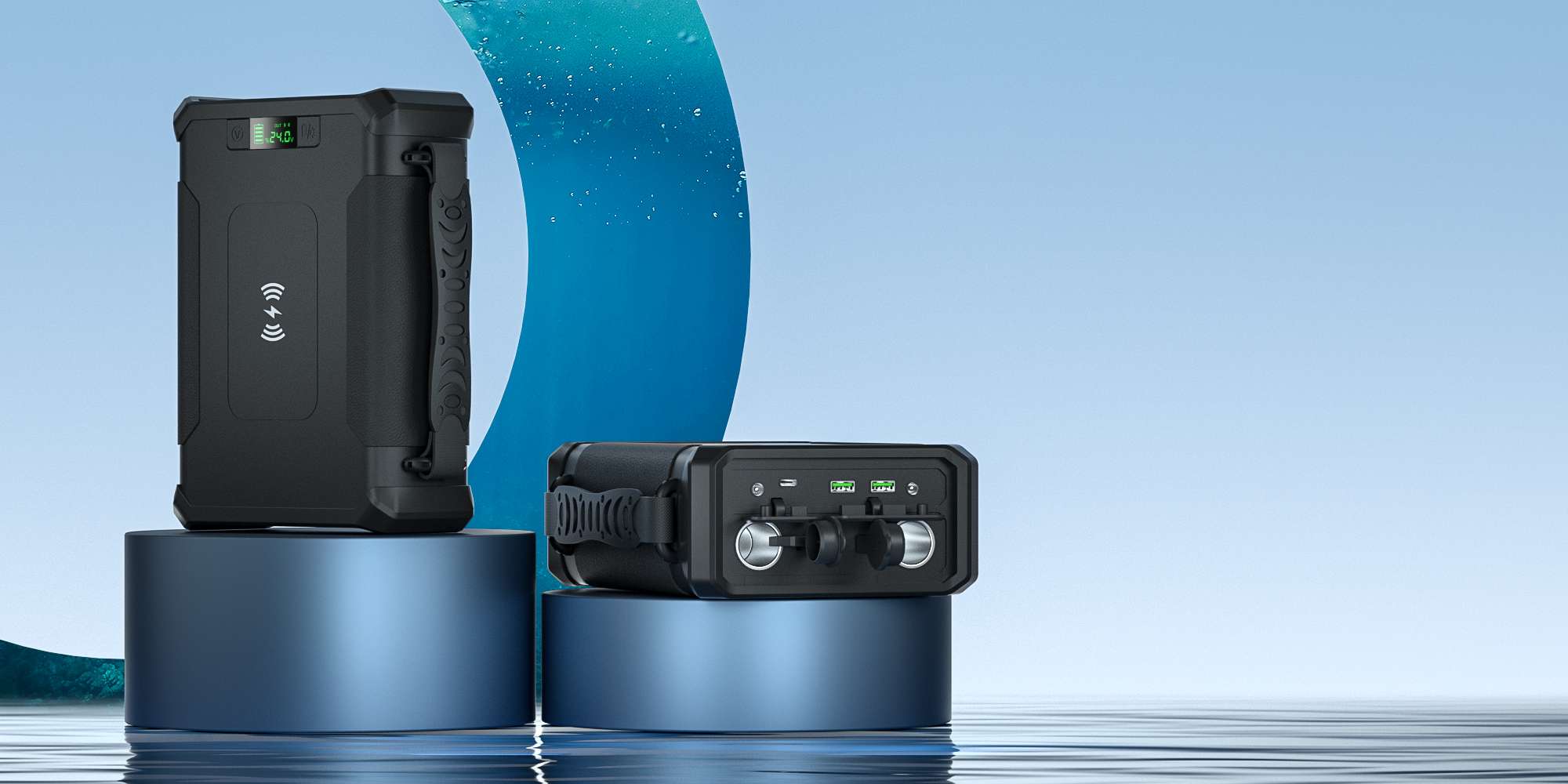
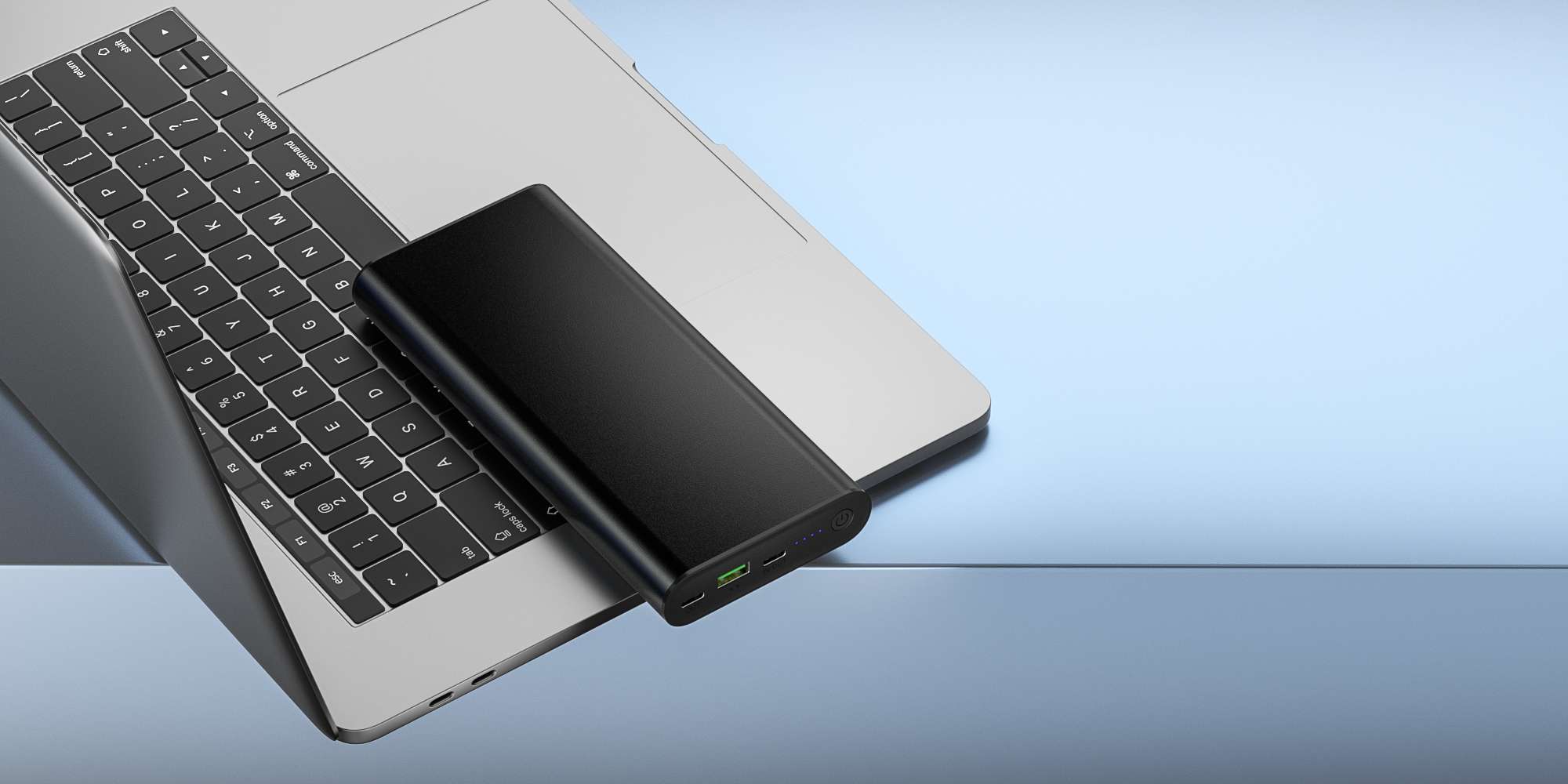
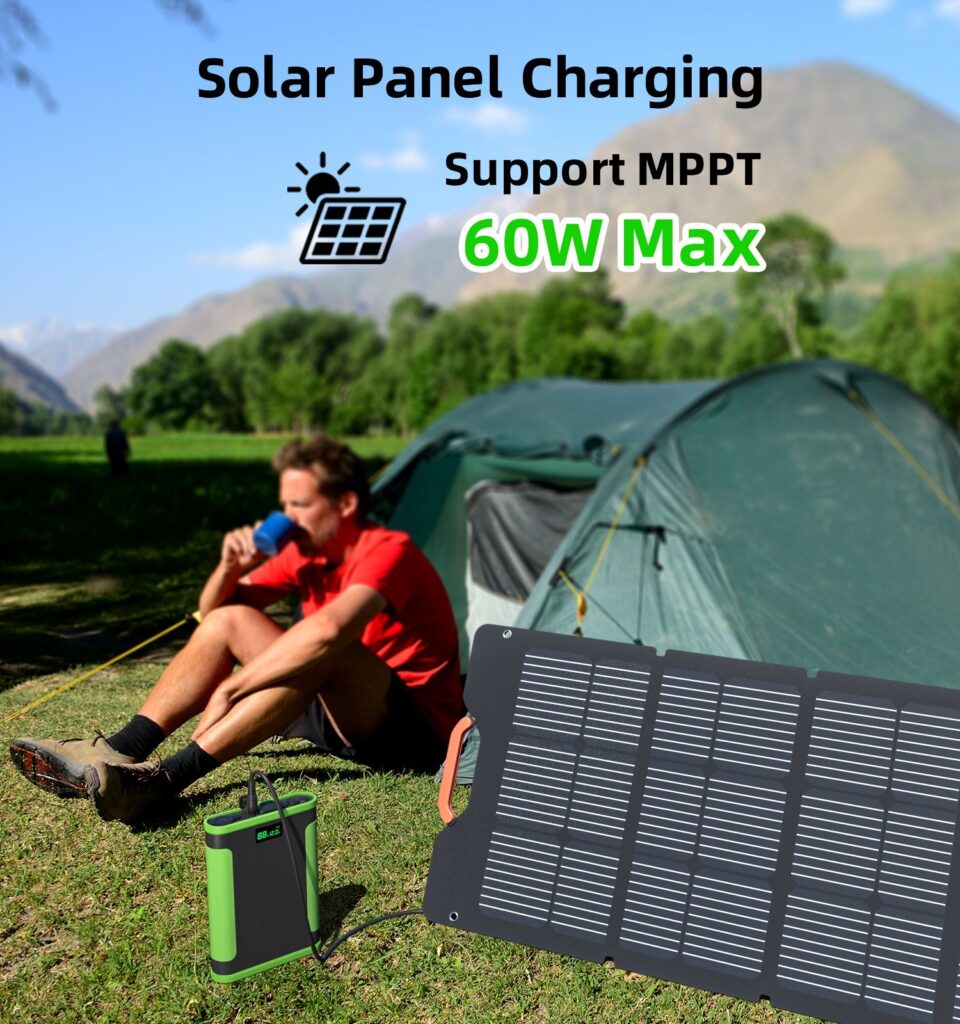
This is where reliable backup power becomes critical. Devices like the GP20 Pro (48000mAh) offer a compact but high-capacity solution, ensuring your phone, GPS, and lighting equipment stay powered when it matters most. In remote conditions, that extra power can make a real difference in both safety and peace of mind.
What Basic Gear Do You Need for Solo Mountain Camping
Shelter and Sleeping Gear
A lightweight, weather-resistant tent and a sleeping bag suited for mountain temperatures are essential. Conditions can change quickly at higher elevations.
Cooking and Food Supplies
Bring compact cooking gear and plan meals carefully. High-energy, easy-to-prepare food is ideal for solo trips.
Clothing and Layering
Layering is key in mountain environments. Pack moisture-wicking base layers, insulation, and a waterproof outer shell.
Essential Electronics and Power Backup
Modern camping often includes essential electronics:
- Smartphone (navigation, communication)
- GPS device
- Headlamp or flashlight
- Camera or action cam
All of these depend on power.
For multi-day trips, relying on a standard charger isn’t enough. This is why many outdoor enthusiasts prefer a 50000mAh power bank, which can support multiple devices over extended periods.
A solution like the GP20 Pro (48000mAh) strikes a strong balance between capacity and portability. It’s designed for situations where access to power is limited, making it especially useful for solo campers who can’t afford to lose power in critical moments.
How Do You Make the Most of a Solo Mountain Camping Adventure
Disconnect and Enjoy Nature
Solo camping is a rare opportunity to step away from constant notifications and distractions. Take time to slow down and fully experience your surroundings.
Capture the Experience
Bring a camera or use your phone to document the journey. Photos, notes, or even short recordings can help you relive the experience later.
Stay Flexible and Adapt
Conditions may change, and plans may need to shift. Stay adaptable and prioritize safety over sticking to a rigid schedule.
Balance Exploration with Safety
Push your limits, but know when to stop. Being alone means you are fully responsible for your own well-being.
Practical Tips Before You Start
Before heading out, run through a final checklist:
- Confirm your route and weather conditions
- Pack essential safety gear
- Double-check your food and water supply
- Fully charge all devices
And most importantly, plan for power.
Running out of battery is one of the most common—and preventable—mistakes in solo mountain camping. Without power, you lose access to navigation, communication, and emergency tools.
Carrying a reliable, high-capacity power source—such as a 50000mAh power bank—can significantly reduce that risk. For many campers, compact options like the GP20 Pro (48000mAh) provide enough energy to cover multiple days without adding excessive weight to the pack.
Start Your Solo Mountain Camping Adventure
Solo mountain camping is one of the most rewarding outdoor experiences you can have. It challenges you, builds confidence, and offers a level of connection with nature that’s hard to find elsewhere.
The key to a successful trip is preparation. When you plan carefully, pack smart, and ensure your essential gear—including your power supply—is reliable, you can focus on the experience instead of worrying about what might go wrong.
Start small, stay safe, and build your confidence with each trip.