
















Table of Contents
Introduction
Off-grid living is no longer a niche lifestyle reserved for a small group of survivalists. Across the United States, more people are choosing to step away from traditional utility systems in search of independence, sustainability, and a closer connection to nature. Rising energy costs, remote work flexibility, and environmental awareness are all driving this shift.
But while the idea of living off-grid is appealing, the reality comes down to one critical factor: power. Without reliable electricity, even the most well-planned off-grid lifestyle can quickly become challenging. Understanding how off-grid communities function—and how to power them effectively—is essential before making the transition.
What Are Off-Grid Communities and How Do They Work?
Off-grid communities are groups of homes or individuals that operate independently from public utilities such as electricity, water, and sewage systems. Instead of relying on centralized infrastructure, these communities generate and manage their own resources. This often includes solar energy systems, rainwater collection, composting toilets, and local food production.
The core principle behind off-grid living is self-sufficiency. Residents take responsibility for their energy consumption, storage, and backup solutions. Unlike city living, where electricity is always available, off-grid environments require careful planning and reliable systems to ensure continuous power supply.
Why People Choose to Live in Off-Grid Communities
People are drawn to off-grid communities for a variety of reasons. Energy independence is one of the biggest motivations. By generating their own electricity, residents are no longer affected by utility price increases or grid outages. Sustainability is another key factor, as off-grid living reduces environmental impact through renewable energy and resource conservation.
There is also a growing appeal for a simpler, more intentional lifestyle. Many people want to reduce reliance on modern infrastructure and live closer to nature. With the rise of remote work, it has become more feasible to live in remote locations without sacrificing income or connectivity.
However, this independence comes with responsibility. In an off-grid environment, you are fully in control of your power system. If your energy setup fails, there is no backup grid to rely on. This is why choosing the right power solution is not just important—it is essential.
Key Systems That Power Off-Grid Communities
Off-grid communities rely on a combination of renewable energy systems and storage solutions to function effectively.
Solar and Renewable Energy
Solar power is the most common energy source, as it is accessible, scalable, and environmentally friendly. In some regions, wind energy may also be used to supplement power generation.
Energy Storage Systems
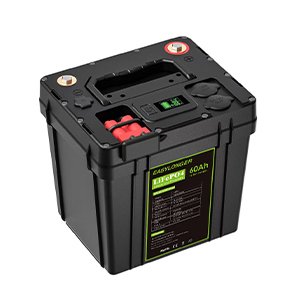
Energy storage is what makes off-grid living possible. Solar panels generate electricity during the day, but without batteries, that energy cannot be used at night or during cloudy conditions. A reliable battery system ensures that power is available whenever it is needed.
Portable Power Solutions
In addition to fixed systems, portable power solutions are becoming increasingly important. They provide flexibility, backup power, and the ability to support devices in different locations. This is especially useful for outdoor tasks, emergency situations, or expanding an existing energy setup.
9 Off-Grid Communities in the U.S. for Sustainable Living
Across the United States, several well-known off-grid communities have successfully built sustainable living environments.
Earthaven Ecovillage in North Carolina is one of the most established intentional communities, focusing on permaculture and renewable energy systems. Dancing Rabbit Ecovillage in Missouri emphasizes ecological sustainability and low energy consumption, making it a model for minimalist living.
In New Mexico, the Greater World Earthship Community and the Taos Earthship Community are famous for their self-sustaining homes built from recycled materials, powered primarily by solar energy. These communities demonstrate how architecture and energy systems can work together to create fully independent living environments.
Three Rivers Recreation Area in Oregon offers a desert-based off-grid lifestyle, while Breitenbush Hot Springs Community combines renewable energy with a retreat-style living experience. Emerald Earth in California focuses on permaculture and ecological harmony, while Twin Oaks Community in Virginia operates on a cooperative income-sharing model. The Farm in Tennessee, one of the oldest intentional communities in the country, continues to promote sustainable living practices.
Challenges to Consider Before Joining an Off-Grid Community
While these communities showcase the potential of off-grid living, they also highlight the challenges involved. One of the biggest obstacles is maintaining a stable and reliable power supply. Weather conditions can affect solar output, and energy demand can vary throughout the day. Without proper storage and backup systems, power shortages can become a serious issue.
Maintenance is another important consideration. Off-grid systems require regular monitoring and upkeep. Unlike traditional homes, where utility providers handle infrastructure, off-grid residents must manage everything themselves. This includes energy systems, water supply, and waste management.
How Renewable Energy Supports Off-Grid Community Living
Renewable energy plays a central role in overcoming these challenges. Solar power, in particular, has become the backbone of most off-grid systems. However, solar energy alone is not enough. Without efficient storage and distribution, even the best solar setup cannot guarantee consistent power.
This is where modern technology makes a significant difference. Advances in battery systems, portable power solutions, and smart energy management have made off-grid living more practical than ever before. Today, it is possible to build a flexible, scalable energy system that supports a wide range of devices and applications.
Tools and Technologies That Make Off-Grid Living Easier Today
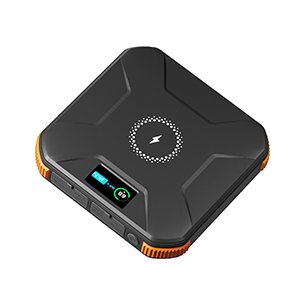
Portable power stations are one of the most valuable tools for off-grid living. They provide a reliable source of electricity that can be used independently or alongside a solar system. With the ability to power multiple devices, they serve as both a primary energy source and a backup solution.
For those living off-grid or planning to transition, having a dependable and versatile power solution can dramatically improve daily life.
Power Your Off-Grid Lifestyle with the Merpower GP45 Series
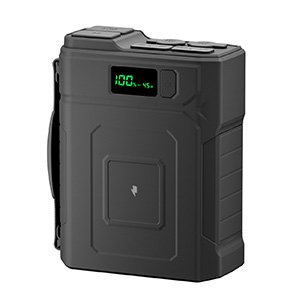
Designed specifically for outdoor, off-grid, and emergency scenarios, the GP45SE offers a balanced combination of capacity, performance, and portability. Its 384Wh LiFePO4 battery, built with advanced 33140 cells, provides long cycle life, enhanced safety, and stable energy output. This makes it ideal for environments where reliability is critical.
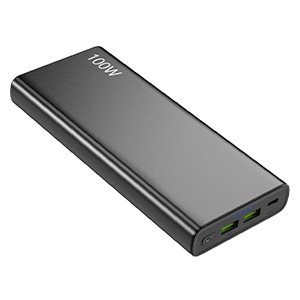
Unlike standard power banks, the GP45SE is capable of supporting high-demand devices. Its 330W Big Anderson output allows it to power equipment such as electric cooking devices, heating kettles, and other outdoor appliances. This level of performance is especially valuable in off-grid communities where access to traditional electricity is limited.
In addition to high-power output, the GP45SE offers multiple charging options for everyday devices. The dual USB-C ports include a 100W output for laptops and a multi-voltage option for phones and tablets. The 10–13.5V car socket supports devices like portable refrigerators and air pumps, while the USB-A port provides stable power for smaller electronics.
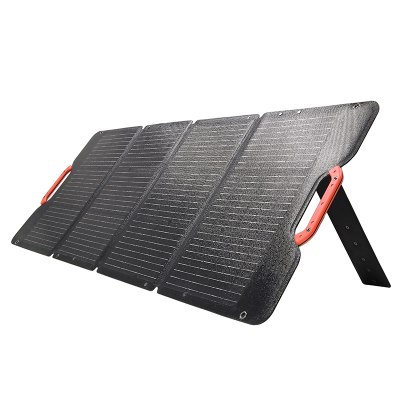
One of the most important features for off-grid living is solar compatibility. The GP45SE supports MPPT solar charging and can be connected to 100W solar panels, allowing users to generate and store energy efficiently. This creates a truly independent power system that can operate without reliance on external infrastructure.
Portability is another key advantage. With its integrated handle and built-in LED flashlight, the GP45SE is easy to carry and use in different situations. Whether it’s for nighttime lighting, emergency backup, or outdoor activities, it provides both convenience and functionality.
Is an Off-Grid Community Right for You?
Off-grid communities are ideal for people who value independence, sustainability, and a closer connection to nature. They are particularly well-suited for remote workers, outdoor enthusiasts, and those looking to reduce their environmental footprint. However, they may not be the best fit for individuals who prefer convenience, stability, and low-maintenance living.
Choosing the right power solution can significantly impact your off-grid experience. A well-designed system not only ensures reliable electricity but also reduces stress and improves overall quality of life.
Frequently Asked Questions
Can you legally live off-grid in the U.S.?
Yes, but regulations vary by state and county. Always check local laws before building or joining a community.
What is the biggest challenge of off-grid living?
Maintaining a stable and reliable power supply is one of the biggest challenges, especially during periods of low solar generation.
What power systems do off-grid homes use?
Most rely on solar panels combined with battery storage systems, often supplemented by portable power solutions.
How much power do you need to live off-grid?
It depends on your energy consumption. Basic setups can support essential devices, while larger systems are required for high-power appliances.
Conclusion
Off-grid living represents a shift toward independence and sustainability, but it also requires careful planning and the right tools. Reliable energy is the foundation of any successful off-grid lifestyle. Without it, even the most beautiful and remote location can become difficult to live in.
By combining renewable energy with advanced portable power solutions, it is now possible to create a stable and efficient off-grid system. Whether you are exploring off-grid communities or building your own setup, investing in the right power solution will make all the difference in achieving a comfortable and sustainable way of life.