



Table of Contents
In the world of portable power, safety and efficiency are paramount. As outdoor activities like camping, fishing, and overlanding grow in popularity, more people rely on power banks to keep their devices charged and running, even in remote locations. However, many users don’t realize that these seemingly simple devices require advanced technology to ensure they operate safely and efficiently over extended use.
That’s where Battery Management Systems (BMS) come in. A BMS is a crucial component of modern power banks, especially those used for high-demand devices like car fridges, 12V cookers, and CPAP machines.
In this article, we’ll explain BMS technology in-depth, the protections it provides, and why it’s critical for high-performance power banks. We’ll also dive into how Merpower GP Series integrates BMS for safe outdoor use and why it’s a top choice for camping and outdoor adventures.
1. What Is a BMS in a Power Bank?
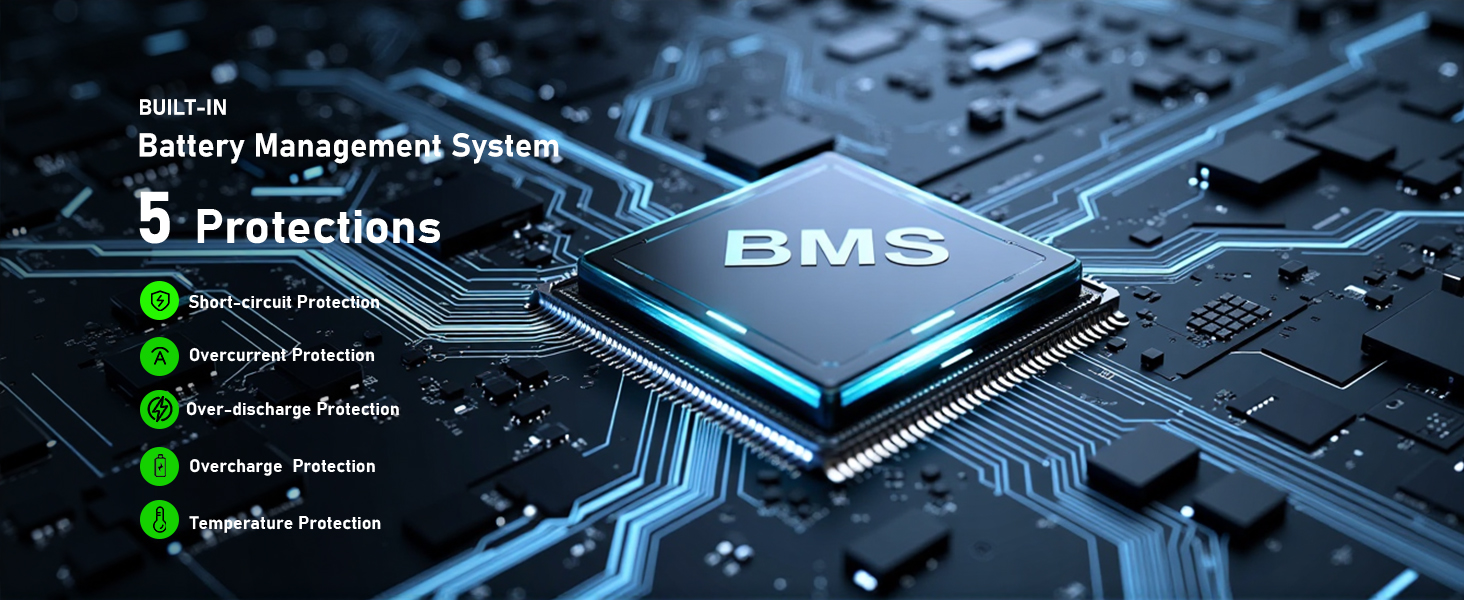
A Battery Management System (BMS) is an intelligent electronic system that monitors and manages the performance and safety of a battery. The BMS ensures the battery operates within safe voltage and temperature limits, and prevents conditions that can lead to battery degradation, overheating, or even fires.
In a power bank, the BMS performs several vital functions, including:
Monitoring the state of charge (SOC) of the battery
Balancing the cells within the battery
Protecting against overcharge, over-discharge, and short circuits
Managing temperature to avoid overheating
Ensuring safe voltage output to connected devices
Without a BMS, a power bank could quickly become unsafe, particularly if it is powering high-demand devices or used in extreme conditions.
2. Why Power Banks Need Advanced Protection Systems
2.1 Growing Capacity = Growing Risks
The demand for high-capacity power banks has surged in recent years. Modern power banks now come with capacities up to 100,000mAh or more, and these powerhouses are capable of running multiple devices simultaneously.
However, increased capacity means increased risk. Larger batteries are more prone to issues like:
Overcharging, leading to swelling or fires
Overheating during extended use
Cell imbalance, reducing performance and lifespan
The solution? A Battery Management System (BMS) that ensures the safety and efficiency of the power bank, even as its capacity grows.
2.2 Why Cheap Power Banks Are Dangerous
Not all power banks come equipped with a proper BMS. Many cheaper, lower-quality models lack a sophisticated management system and often use low-quality cells. These power banks:
Are more prone to overheating or malfunctioning under load
Can fail to manage temperature properly, leading to dangerous overheating
Do not balance individual cells within the battery, which can degrade performance over time
In contrast, power banks with advanced BMS systems provide extra protection for both the device and the user, ensuring a much safer, longer-lasting product.
3. Core BMS Protection Features Explained
The BMS in a power bank provides several layers of protection. These features are crucial for ensuring the safety and performance of both the power bank and the devices being charged. Let’s break down the most important protections provided by a BMS.
3.1 Overcharge Protection
Overcharging occurs when the battery is charged beyond its maximum voltage limit, leading to swelling, leaking, or even fire.
How BMS protects: A good BMS continuously monitors the battery voltage. If it detects the battery is close to its maximum charge, the system will stop charging or reduce the charge rate to prevent overcharging.
Importance for long-term health: Overcharging reduces battery life. The BMS helps maximize the cycle life of the power bank by keeping the voltage within safe limits.
3.2 Over-Discharge Protection
Over-discharging happens when a battery is drained below a critical voltage, causing irreversible damage to the battery’s cells.
- How BMS protects: A BMS prevents over-discharge by cutting off the power or signaling when the voltage gets too low. This ensures the battery doesn’t get damaged by using it below safe levels.
- Preventing cell damage: Over-discharging can result in cell degradation, reducing the power bank’s lifespan. A BMS prevents this, ensuring the battery remains usable for many cycles.
3.3 Cell Balancing
A power bank contains multiple battery cells connected together. Cell balancing is necessary to ensure that all cells charge and discharge at equal rates. If one cell is overcharged while others are undercharged, the power bank will perform inefficiently, and the lifespan of the battery will decrease.
How BMS balances the cells: The BMS monitors each cell’s voltage and redistributes power between the cells to ensure uniform voltage levels across all of them.
Active vs Passive Balancing:
- Active balancing is more efficient, transferring charge from one cell to another.
- Passive balancing simply dissipates excess energy as heat.
How BMS balances the cells: The BMS monitors each cell’s voltage and redistributes power between the cells to ensure uniform voltage levels across all of them.
Active vs Passive Balancing:
Active balancing is more efficient, transferring charge from one cell to another.
Passive balancing simply dissipates excess energy as heat.
BMS ensures optimal power usage, improving overall efficiency.
BMS ensures optimal power usage, improving overall efficiency.
A power bank contains multiple battery cells connected together. Cell balancing is necessary to ensure that all cells charge and discharge at equal rates. If one cell is overcharged while others are undercharged, the power bank will perform inefficiently, and the lifespan of the battery will decrease.
3.4 Temperature Monitoring
Power banks operate under a wide range of temperatures, especially in outdoor conditions. Overheating can lead to thermal runaway, a phenomenon where a battery becomes uncontrollably hot, potentially catching fire.
How BMS protects: The BMS includes temperature sensors that monitor the battery’s temperature and shut down the power bank if it exceeds safe limits. This ensures the battery doesn’t overheat, protecting both the device and user.
Managing high-load devices: Power-hungry devices like car fridges, CPAP machines, and electric grills generate a lot of heat. A BMS can help prevent these devices from overheating the power bank during operation.
3.5 Short-Circuit Protection
Short circuits can occur when there is an unintended connection between the battery’s positive and negative terminals, leading to massive current flow and the potential for fire or battery rupture.
How BMS protects: The BMS detects short circuits and immediately disconnects the battery to prevent damage. This is one of the most critical safety features of a power bank, especially when charging high-demand devices.
3.6 Overcurrent & Overload Protection
Overcurrent happens when a device tries to draw more current than the power bank can safely supply, potentially causing overheating and damage to the power bank’s circuits.
- How BMS protects: The BMS automatically limits the current when it detects a potential overload, ensuring that the power bank doesn’t overwork itself and preventing damage to internal components.
3.7 USB-C Power Delivery Negotiation Safety
USB-C Power Delivery (PD) allows power banks to negotiate voltage (5V, 9V, 12V, 15V, 20V) with connected devices, ensuring that the correct voltage is supplied to each device.
How BMS works with PD: The BMS works with the PD chip to ensure that the correct voltage is provided to each device. It protects against voltage mismatches that could potentially harm devices.
4. BMS Technology in Outdoor Power Banks
Outdoor use is where BMS technology shines, especially for high-demand devices in extreme conditions. Power banks for camping and road trips need to be safe, durable, and efficient. That’s why BMS systems are essential in these devices.
4.1 Why Outdoor Use Requires Better Protection
Outdoor conditions often include:
Temperature fluctuations (heat and cold)
Vibration from rough terrain (like off-roading or hiking)
Dust and moisture (rain, humidity)
For devices like 12V fridges, camping heaters, or CPAP machines, a BMS is critical to ensure safe operation and protect the battery from temperature damage, overcharging, and cell imbalances.
4.2 Example Devices Requiring Stable BMS Protection
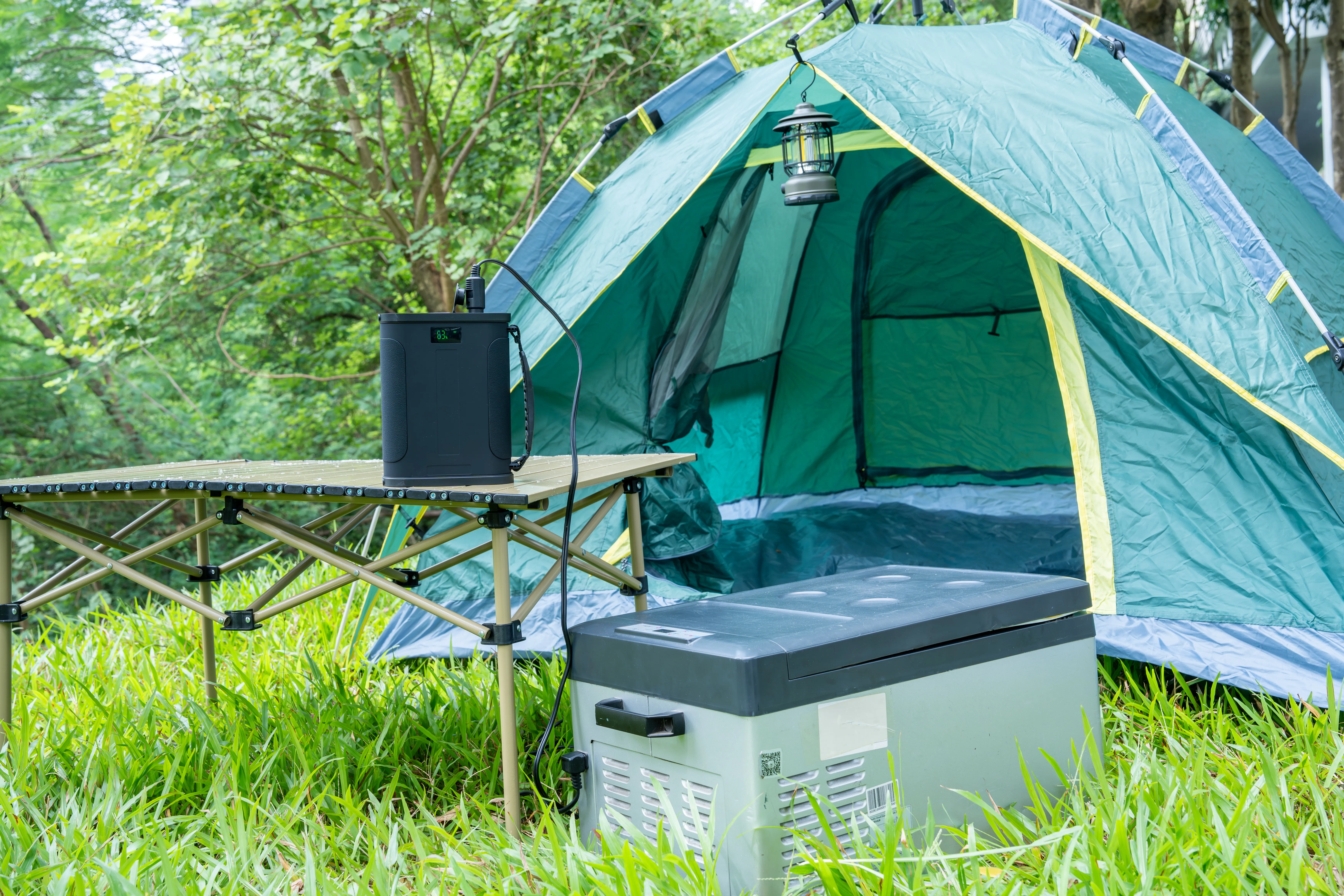
Car fridge (draws constant power, needs temperature control)
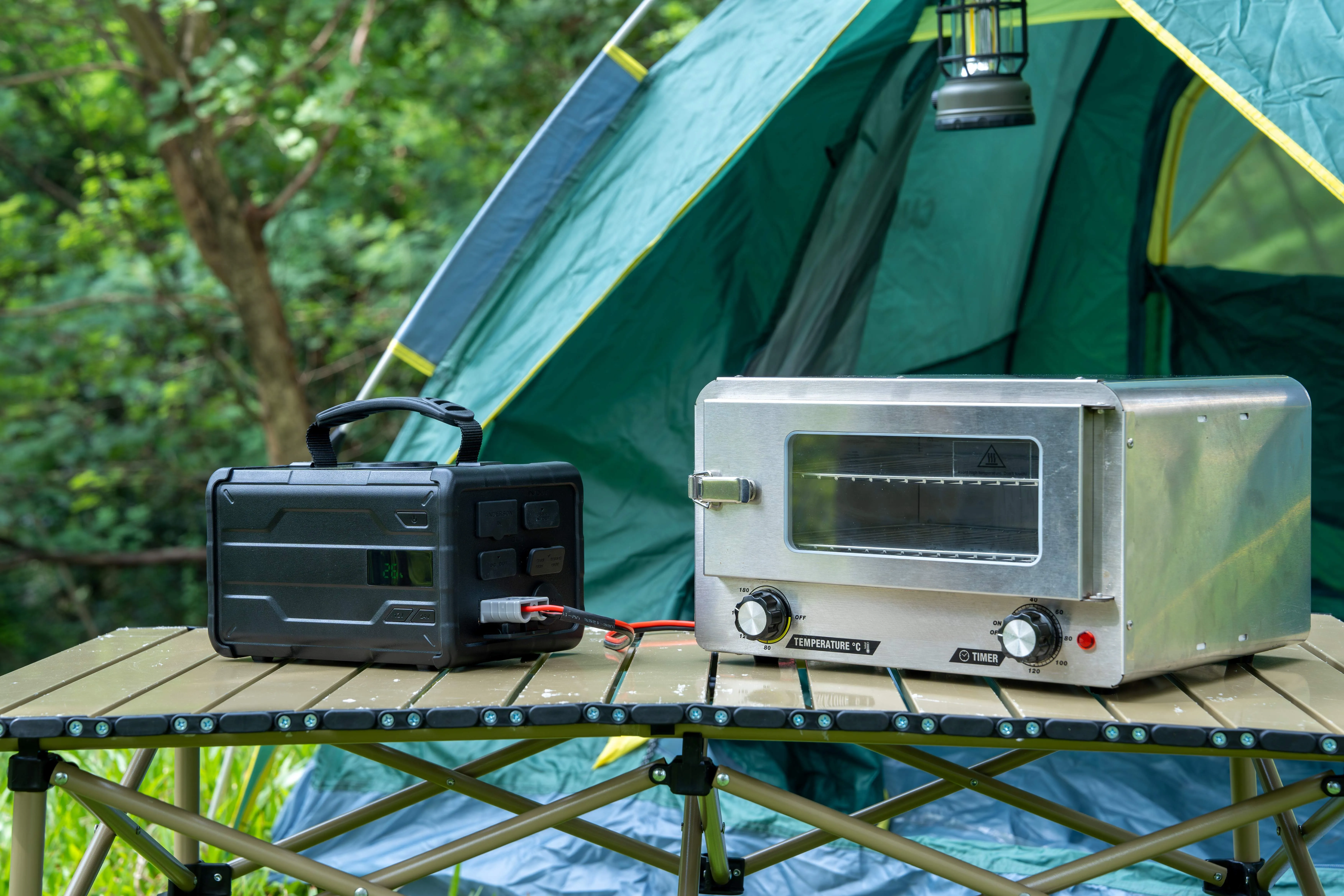
12V cooker (high power demand)
Tire inflators (momentary high power draw)
LED camping lights
CPAP machines (with custom 24V cable for power banks)
Drone chargers
- 12V heated blankets
5. Case Study — Merpower GP Series and Its Advanced BMS System
5.1 Why Merpower Uses Full LiFePO₄ + Smart BMS Architecture
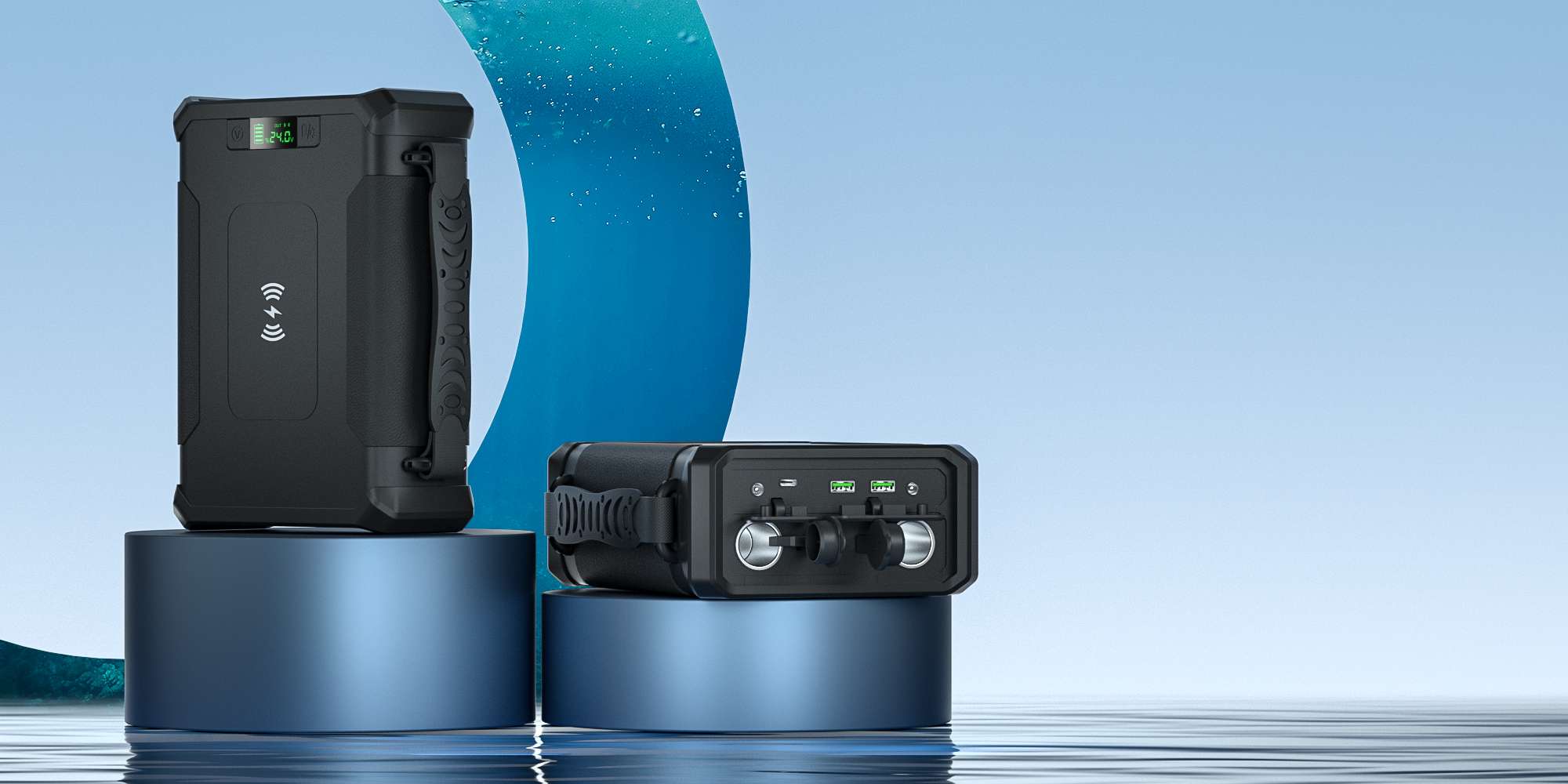
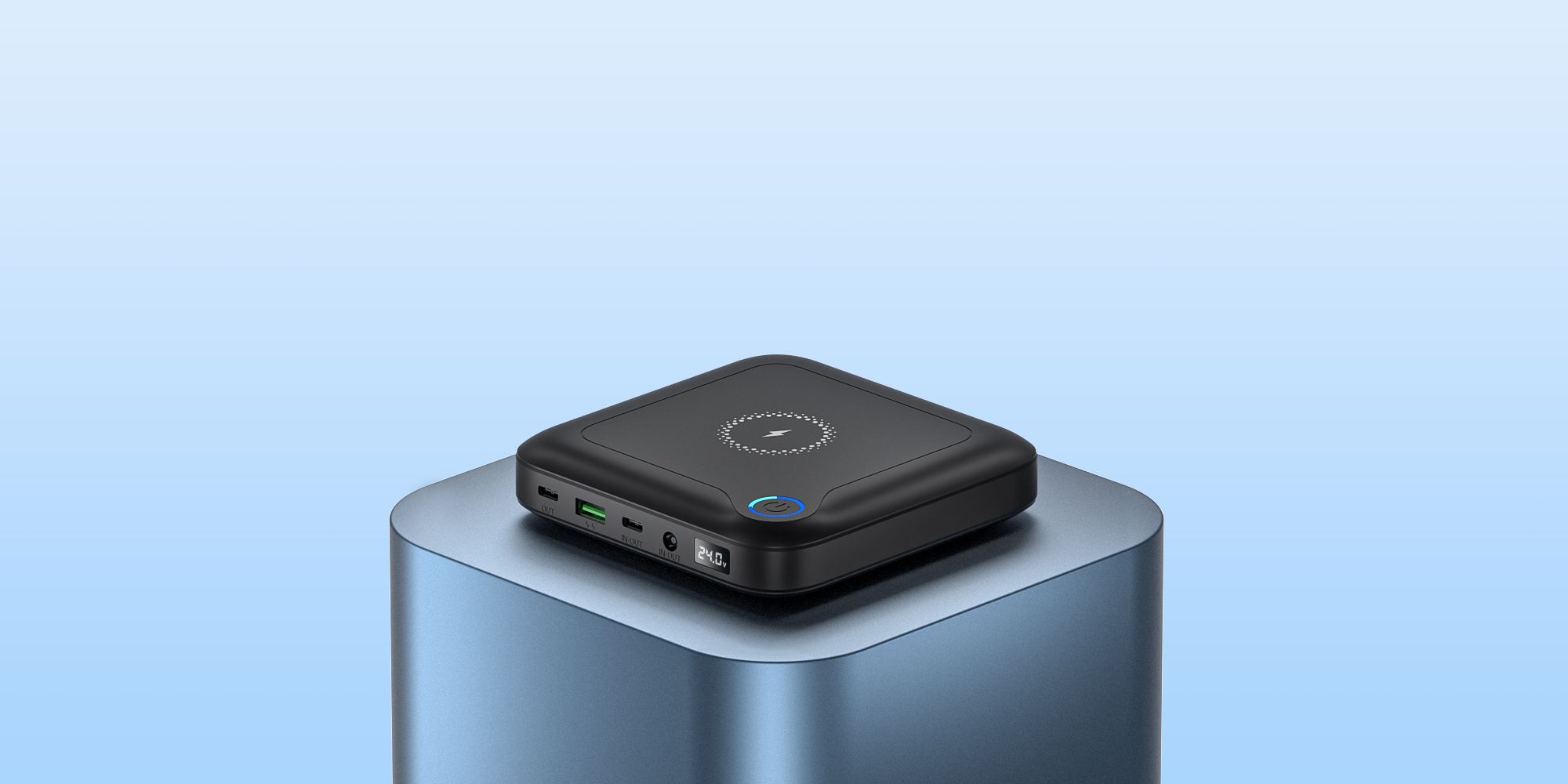
Merpower’s GP Series (GP35, GP40 Pro, GP50, and GP70) features LiFePO₄ cells, providing long-lasting, safe performance. With smart BMS integration, these power banks provide:
- 3000+ charge cycles
- Enhanced safety under extreme temperatures
- Efficient power distribution for high-load devices
5.3 Real-World Safety Examples
Camping: The BMS ensures that when you connect a 12V heater, it does not overheat the system or overdraw from the battery.
Road trips: Provides reliable power to CPAP machines, ensuring that they receive steady, regulated power throughout the night.
Fishing trips: The car fridge remains running smoothly, and if the battery reaches an unsafe temperature, the BMS will safely shut it down.
6. How to Know If a Power Bank Has a Good BMS System
6.1 Signs of a Reliable BMS Power Bank
LiFePO₄ batteries for better lifespan and safety
Multi-output systems with stable voltage
Certified (CE, FCC, RoHS)
Built-in temperature control
Active cell balancing (not passive)
No overheating or instability under load
6.2 Warning Signs of Low-Quality Power Banks
No BMS or substandard BMS
Overheating issues during charging
No temperature sensors
Unstable voltage or rapid discharge issues
Overcharging or battery swelling
7. Conclusion: Why You Should Always Choose a BMS Power Bank
In today’s world, a power bank without BMS technology is a risk, especially when you are relying on it to power essential devices. Whether you’re using it for outdoor activities or as backup energy at home, choosing a BMS-enabled power bank is the safest and most reliable option.
Merpower’s GP Series provides top-tier protection with LiFePO₄ batteries and advanced BMS technology to ensure your power needs are met safely—whether you’re camping, fishing, or working off-grid.
Stay safe, stay powered, and enjoy your outdoor adventures with peace of mind, knowing your power bank is equipped with the best protection available.