
















Introduction
Wild camping has become one of the most appealing ways to experience the outdoors. For many people, it offers something that developed campgrounds often cannot: silence, privacy, flexibility, and a stronger connection to nature. Instead of setting up next to rows of other campers, you can find a more remote space, slow down, and enjoy a simpler outdoor experience.
At the same time, wild camping is not something you should approach casually. A beautiful backcountry trip depends on good judgment, the right gear, and a clear understanding of where you are allowed to camp. Beginners often feel drawn to the idea of freedom, but that freedom comes with responsibility.
This guide explains what wild camping is, why it appeals to so many outdoor enthusiasts, whether it is legal in the United States, how to choose the right location, what gear to bring, and which common mistakes to avoid. Whether you are planning your first overnight trip or looking to improve your backcountry setup, this article will help you start with more confidence.
What Is Wild Camping and Why Does It Appeal to So Many People?
What wild camping means
Wild camping usually refers to camping outside formal campgrounds, often in more natural and undeveloped areas. Instead of staying at a site with marked pitches, restrooms, picnic tables, and utility hookups, wild campers choose a simpler setting with fewer facilities and more independence.
Depending on the region, you may also hear terms such as backcountry camping, dispersed camping, or primitive camping. These terms are related, but they are not always identical. In many cases, they all describe camping in places where you need to be more self-sufficient and more aware of the local rules.
For beginners, the easiest way to understand wild camping is this: it is camping with fewer services, more personal responsibility, and a stronger focus on nature.
Why wild camping has become so popular
One reason wild camping appeals to so many people is that it feels more personal than traditional campground camping. You are not limited to a crowded, highly structured environment. You can choose a location that feels more secluded and peaceful.
Another reason is cost. Some wild camping areas are free or more affordable than developed campgrounds, which makes them attractive for budget-conscious travelers and weekend adventurers. For people who want to spend more time outdoors without spending heavily on accommodation, this can be a major advantage.
Wild camping also creates a stronger sense of adventure. Carrying your own supplies, choosing your own camp, and spending the night in a quieter setting can make the experience feel more meaningful. Many outdoor travelers enjoy the challenge and satisfaction that come from being prepared and self-reliant.
Who wild camping is best suited for
Wild camping can suit many types of outdoor travelers. It can work well for solo campers who value quiet and independence, couples looking for a more private escape, hikers who want to stay close to trails, and travelers who prefer remote landscapes over busy campgrounds.
It can also be suitable for beginners, as long as they start with realistic expectations. A short trip, mild weather, and a carefully chosen location can make a first experience much more enjoyable than jumping straight into a difficult backcountry adventure.
Is Wild Camping Legal in the United States?
The short answer: it depends on where you camp
Wild camping in the United States is not governed by one simple national rule. Whether it is legal depends on the type of land, the local authority managing that land, seasonal restrictions, and specific site regulations.
That is why many beginners get confused. Public land does not automatically mean you can camp anywhere you want. Some areas allow dispersed or primitive camping, while others require designated campsites, permits, or complete restrictions on overnight stays.
Places where wild camping may be allowed
In many parts of the United States, wild camping is often possible on certain national forest lands and Bureau of Land Management areas. Some state forests also allow forms of primitive or backcountry camping. These places are often the most common options for travelers who want a less developed outdoor experience.
In such areas, camping may be allowed away from developed campgrounds as long as you follow local rules. These can include distance requirements from roads, water sources, or trailheads, as well as limits on how many nights you can stay in one place.
Places where restrictions are common
Restrictions are more common in national parks, wildlife refuges, heavily protected ecosystems, and private land. In some places, camping is only allowed in designated backcountry zones or with permits. In others, camping outside formal sites may be prohibited entirely.
Private land is especially important to mention. Even if a place looks remote and unused, you should never assume overnight camping is allowed without permission.
Why checking local regulations matters
Before any trip, you should check the rules for the exact area where you plan to camp. These rules may cover campfires, stove use, vehicle access, parking, food storage, waste disposal, length of stay, and seasonal closures. Fire restrictions are especially important during dry periods, when conditions can change quickly.
Ignoring local regulations can lead to fines, unsafe situations, and environmental damage. More importantly, it can reduce access for future visitors if areas become damaged or misused.
Best practice before any trip
The best habit is to treat each destination as unique. Check the official guidance for the land manager, confirm whether dispersed or backcountry camping is allowed, look for permit requirements, and review any current fire or weather alerts. Combine that with Leave No Trace principles, and you will be making much better decisions before you even arrive.
Picking the Best Wild Camping Location
What makes a good wild camping spot
A good wild camping location should be safe, practical, and low impact. For most beginners, the best site is flat enough to sleep comfortably, dry enough to avoid pooling water, and protected enough to reduce unnecessary wind exposure.
You should also consider access. A location that is technically remote but difficult to reach with your skill level or gear may not be the right choice for your first trip. Choosing a manageable site often leads to a much better experience than chasing the most dramatic location.
Safety factors beginners should not ignore
Safety should always come before scenery. Avoid low ground where rainwater may collect. Stay away from dead trees or large unstable branches overhead. Watch for signs of animal activity, unstable slopes, and areas too close to rivers that may rise unexpectedly.
Weather exposure also matters. A ridge with a beautiful view may become miserable in strong wind. An open area with no shade may be uncomfortable in hot conditions. A beginner-friendly campsite is usually one that reduces unnecessary risk rather than maximizing dramatic views.
Convenience and comfort considerations
Comfort may seem secondary in wild camping, but it can make a major difference, especially for beginners. Think about how far you will need to carry your gear, whether there is a reliable water source nearby, what the nighttime temperature may feel like, and whether you need a location with some mobile signal for peace of mind.
You should also think about practical details such as sunrise exposure, wind direction, and ground firmness. Small choices in campsite selection often affect sleep quality, tent setup, and overall comfort more than people expect.
How to choose a low-impact campsite
A responsible campsite is one that protects the landscape as much as possible. Camp on durable surfaces when allowed, avoid crushing vegetation, and keep a respectful distance from lakes, rivers, and streams where regulations require it. Do not create new fire rings, dig unnecessary trenches, or leave signs of your stay behind.
The best campsite is not only comfortable for you. It is also one that looks almost untouched after you leave.
Necessary Wild Camping Tips for Beginners
Start small on your first trip
One of the best wild camping tips for beginners is to keep the first trip simple. Choose a one-night or weekend trip in a place with mild weather and straightforward access. This gives you a chance to learn without adding too much pressure.
A short first trip helps you understand what gear you actually use, what you forgot, and what needs improvement. That knowledge is far more valuable than forcing yourself into a long and difficult trip too soon.
Always check the weather and terrain
Weather conditions affect wild camping far more than many first-time campers realize. Temperatures can drop quickly after sunset, even when the day feels warm. Rain can turn a comfortable site into a muddy problem. Wind can make a poor shelter setup obvious within minutes.
Terrain matters too. A location that looks fine in photos may include steep access, loose ground, or exposure that is not obvious until you arrive. Review both the forecast and the terrain before leaving.
Tell someone where you are going
Even on a short trip, someone should know your basic plan. Share your destination, route, expected return time, and any important backup information. This is a simple step, but it can be critical if you run into delays, lose signal, or need help.
Learn basic camp setup skills
A smoother wild camping experience usually comes down to a few practical skills. Learn how to pitch your shelter securely, how to keep your sleeping system dry, how to organize your gear so essentials are easy to reach, and how to protect food from animals and moisture.
Beginners often underestimate how much easier the trip becomes when these basic systems are practiced in advance, even at home or in a backyard.
Respect wildlife and local nature
Wild camping should never interfere with wildlife. Store food properly, keep your camp clean, and avoid leaving scented items where animals can reach them. Never feed wildlife, and do not approach animals for photos or a closer look.
A respectful distance protects both you and the environment.
Follow Leave No Trace principles
Leave No Trace is essential in wild camping. Pack out all waste, minimize your campfire impact, avoid damaging vegetation, and leave the place as natural as you found it. Outdoor access depends heavily on how responsibly people use the land.
Complete Backcountry Gear and Camping Kit List
Shelter and sleep system
Your shelter and sleep system form the foundation of your trip. Most beginners need a reliable tent, bivy, or tarp setup that matches the weather conditions. You will also need a sleeping bag suitable for the temperature range and a sleeping pad for insulation and comfort.
A good night’s sleep can affect energy, judgment, and enjoyment more than almost any other factor in the backcountry.
Cooking and water essentials
Food and water planning should be simple but dependable. Bring an appropriate stove and fuel if open fires are restricted or not practical. Pack lightweight cookware, a mug or bowl if needed, and enough food for the full trip plus a little extra.
For water, bring bottles or a reservoir, but do not rely only on what you carry unless the trip is very short. A water filter or purification method is one of the most important items in a backcountry camping gear list.
Clothing layers for changing conditions
Layering matters more than packing bulky clothing. A moisture-managing base layer, an insulating layer, and a waterproof outer layer cover most situations better than one heavy item. Extra socks are also worth carrying, especially in cold or wet conditions.
Clothing should match the season, but the principle remains the same: plan for change, not just for the best part of the day.
Navigation and safety items
Even on an easy trip, basic navigation and emergency items are important. Carry a map, compass, or GPS device, along with a headlamp, first-aid kit, multi-tool, and emergency whistle. These items do not take much space, but they can make a significant difference when something goes wrong.
Power is another practical part of safety. Phones, GPS devices, headlamps, and other small essentials are useful only when they stay charged.
Food and storage essentials
Choose food that is easy to carry, easy to prepare, and appropriate for the length of your trip. High-calorie snacks, simple meals, and compact storage solutions are usually the best choice. In areas with wildlife concerns, proper food storage is not optional. Always follow local guidance.
Optional comfort items
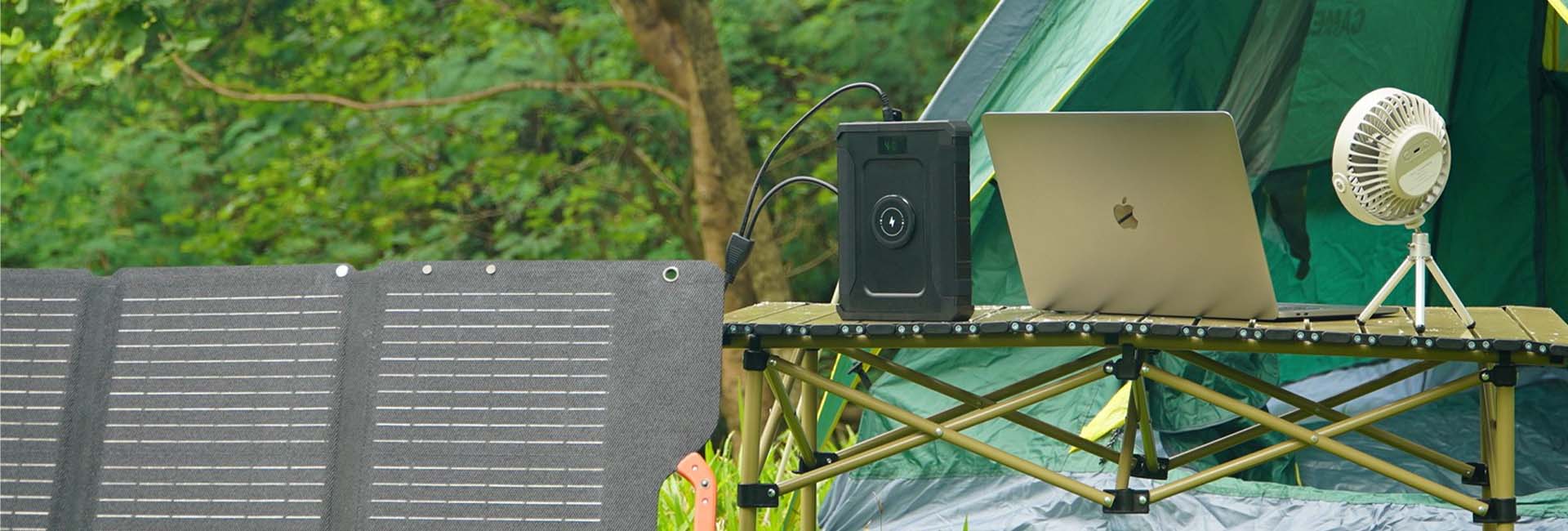
Optional gear depends on your priorities. Some campers like a lightweight chair, trekking poles, or a compact lantern. Others prefer to keep things minimal. A portable power solution can also be a useful comfort and safety item, especially if you depend on your phone for navigation, communication, or emergency backup.
Choosing gear without overpacking
Many beginners make the same mistake: they either forget critical items or pack too much unnecessary gear. The goal is not to carry everything that might be useful. The goal is to carry what is genuinely important for safety, shelter, hydration, food, navigation, and sleep.
Choose gear that is reliable, appropriate for the weather, and realistic for your experience level.
Avoiding Common Mistakes in the Backcountry
Underestimating the weather
A calm afternoon can turn into a cold, wet, windy night much faster than expected. Weather is one of the most common reasons beginners struggle in the backcountry. Planning for changing conditions is far better than reacting to them after dark.
Bringing the wrong gear or too much gear
Overpacking creates fatigue, while poor gear choices create frustration. A heavy bag filled with unnecessary items can make access harder and reduce enjoyment. At the same time, skipping important basics like insulation, rain protection, or water treatment can quickly become a safety issue.
Picking an unsafe campsite
A poor campsite choice can lead to wind exposure, water runoff, unstable footing, and an uncomfortable night. Beginners often focus too much on the view and not enough on the practical details of where they are actually sleeping.
Poor food and water planning
Running low on water or bringing food that is difficult to prepare creates unnecessary stress. Good planning means understanding how much you need, where to refill safely, and what backup method you have if conditions change.
Ignoring local rules and fire restrictions
Rules exist for both safety and environmental protection. Fire restrictions, seasonal closures, and permit systems are not details to check later. They should be part of your planning from the start.
Leaving waste behind
One of the worst mistakes in wild camping is leaving trash, food scraps, or other waste in natural areas. It damages the environment, affects wildlife, and reduces the quality of the experience for everyone else.
Start Your Wild Camping Adventure the Right Way
Build confidence step by step
The best way to become comfortable with wild camping is to progress gradually. Start with simple trips, improve your systems, and learn from each experience. Every outing helps you refine your gear list, understand your limits, and become more efficient outdoors.
Focus on comfort, safety, and preparation
Wild camping is often described as freedom, but that freedom feels much better when your basics are covered. A dry shelter, enough water, proper layers, a safe location, and a reliable source of light can transform the trip from stressful to enjoyable.
Practical advice: stay powered when it matters most
One detail that many beginners overlook is power management. In the backcountry, keeping your phone, GPS device, and lighting equipment charged is not just about convenience. It can also affect navigation, emergency communication, route tracking, and nighttime safety.
That is why a reliable portable power solution can make a real difference on camping trips. If you plan to use your phone for maps, keep a GPS unit active, recharge a headlamp, or support other small outdoor devices, bringing dependable backup power is a practical choice.
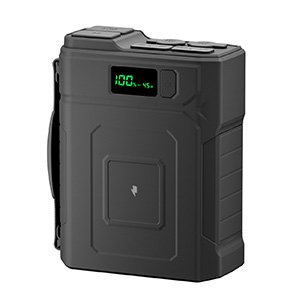
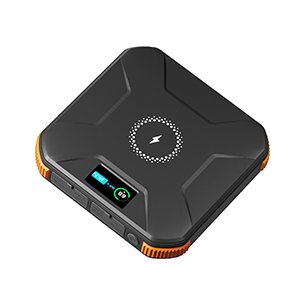
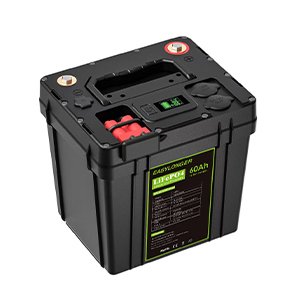
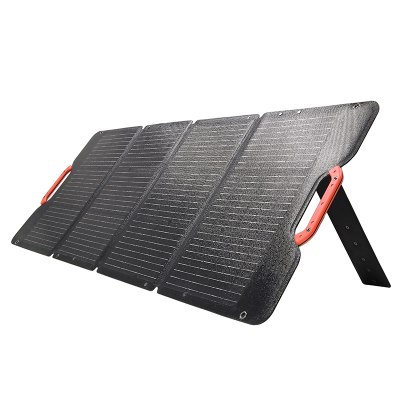
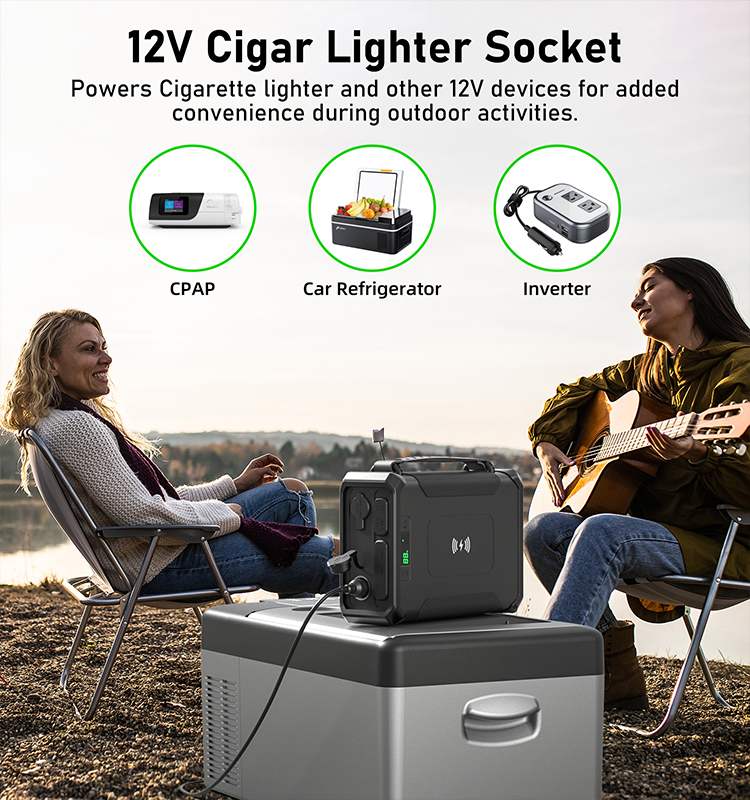
For campers who want a more capable option, the GP50 can fit naturally into this kind of setup. It can be useful for keeping essential devices powered during multi-day outdoor trips, especially when you want extra peace of mind without relying entirely on a vehicle or campground electricity. Instead of treating power as an afterthought, it makes more sense to include it as part of your core camping preparation.
FAQs for New Wild Campers
Is wild camping the same as dispersed camping?
Not always, but the terms are often used in similar ways. Wild camping is a broader phrase that usually means camping outside developed campgrounds, while dispersed camping often refers more specifically to camping on certain public lands outside designated sites.
Can beginners try wild camping safely?
Yes, beginners can try wild camping safely if they start with short, simple trips and prepare carefully. Choosing mild weather, a manageable location, and the right gear makes a big difference.
Do I need a permit for wild camping in the US?
Sometimes. It depends on the land and the local rules. Some areas allow dispersed or backcountry camping without a permit, while others require permits or limit camping to designated sites.
What should I do if there is no toilet nearby?
You should plan ahead and follow local rules for waste disposal. In some areas, you may need to use specific methods for human waste or pack it out. Always check the regulations for the area before your trip.
Is it safe to camp alone in the backcountry?
Camping alone can be safe if you have the right experience, choose an appropriate destination, and leave a clear trip plan with someone you trust. Beginners may feel more comfortable starting with a partner or a less remote location.
How much water should I bring?
The exact amount depends on the weather, activity level, and access to water sources. You should always carry enough for your immediate needs and have a reliable way to filter or purify more if the trip requires it.
What is the best shelter for beginner wild campers?
For most beginners, a lightweight and weather-appropriate tent is the easiest option. It usually offers more protection and a simpler setup than more advanced tarp systems.
Can I charge my phone while wild camping?
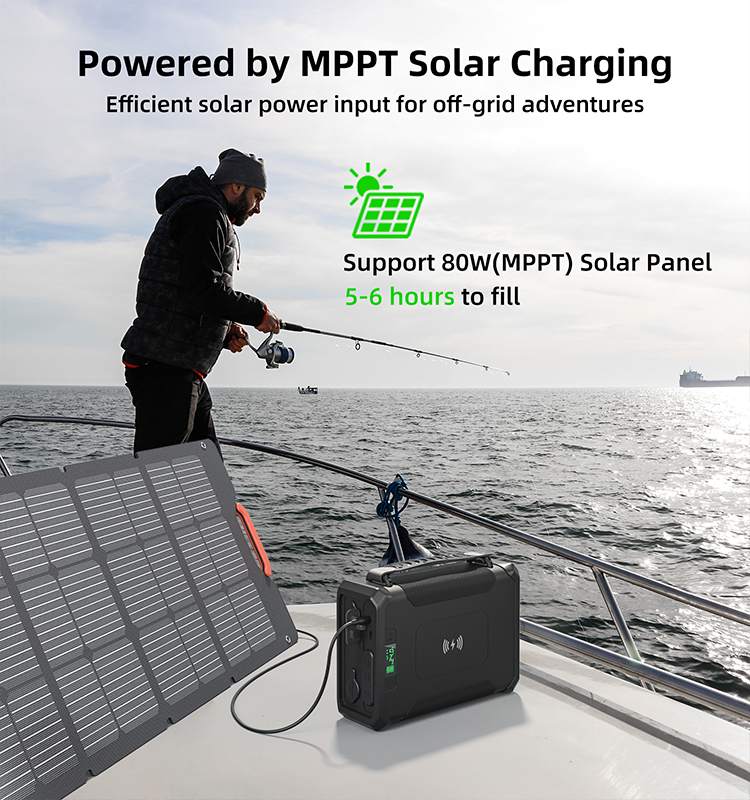
Yes, many campers bring a portable battery pack or power solution to keep phones, GPS devices, lights, and other small electronics charged. This is especially useful on longer trips or in areas where navigation and communication matter.
Conclusion
Wild camping offers a different kind of outdoor experience. It is quieter, more flexible, and often more rewarding than staying in a crowded campground. At the same time, it requires more preparation, more awareness, and more respect for the environment.
If you understand the local rules, choose a safe location, pack the right gear, and avoid common beginner mistakes, wild camping can become one of the most enjoyable ways to explore the outdoors. Start with a manageable trip, build your confidence step by step, and focus on the basics that keep you safe and comfortable. That approach will help you enjoy the freedom of the backcountry while making responsible choices every time you camp.