



Introduction
Electricity bills across the United States have been steadily climbing, putting pressure on households of all sizes. From higher fuel costs to aging infrastructure and growing energy demand, the reasons are complex—but the impact is simple: consumers are paying more.
As a result, more homeowners are exploring ways to take control of their energy usage. Solar panels and battery storage systems have quickly moved from niche solutions to mainstream investments. But what exactly is driving this shift, and is it the right move for everyone?
This guide breaks down why energy costs are rising, how solar and storage systems work, and how even smaller, flexible solutions can help you start reducing your reliance on the grid.
Why Electricity Costs Keep Rising in the United States
Infrastructure and Grid Maintenance Costs
Much of the U.S. power grid was built decades ago and now requires significant upgrades. Utilities are investing heavily in modernization and resilience, and those costs are often passed on to consumers through higher rates.
Fuel Price Volatility and Energy Transition
Electricity generation still depends heavily on fuels like natural gas. Price fluctuations in these markets directly affect utility costs. At the same time, transitioning to renewable energy sources requires upfront investment, which also contributes to rising prices.
Increased Demand from Electrification
Electric vehicles, smart homes, and energy-intensive technologies are increasing overall electricity demand. Data centers and AI infrastructure are also adding pressure to the grid, further driving up costs.
Extreme Weather and Grid Resilience
More frequent extreme weather events mean utilities must invest in stronger, more reliable systems. These upgrades, while necessary, add to the long-term cost of electricity.
How Rising Energy Prices Affect Household Budgets
Higher Monthly Bills
The most immediate impact is a noticeable increase in monthly utility expenses, especially during peak seasons like summer and winter.
Seasonal Spikes and Unpredictability
Air conditioning in summer and heating in winter can cause sharp spikes in energy usage, making bills less predictable and harder to manage.
Long-Term Financial Pressure
Over time, rising electricity costs can significantly affect household budgets, especially for families with higher energy consumption.
Greater Impact on High-Usage Homes
Homes with electric vehicles, large appliances, or extensive HVAC usage tend to feel the impact more strongly.
What Solar and Battery Storage Systems Actually Do
How Solar Panels Generate Electricity
Solar panels convert sunlight into electricity, allowing homeowners to produce their own power instead of relying entirely on the grid.
What Battery Storage Systems Do
Battery systems store excess energy generated during the day so it can be used at night or during outages, improving both efficiency and reliability.
How Solar and Storage Work Together
When combined, solar panels and batteries allow households to reduce grid dependence, store energy for later use, and maintain power during disruptions.
A Flexible Entry Point: Portable Solar Solutions
While rooftop solar systems are effective, they’re not always practical for everyone. Renters, frequent movers, or those with limited budgets may prefer a more flexible approach.
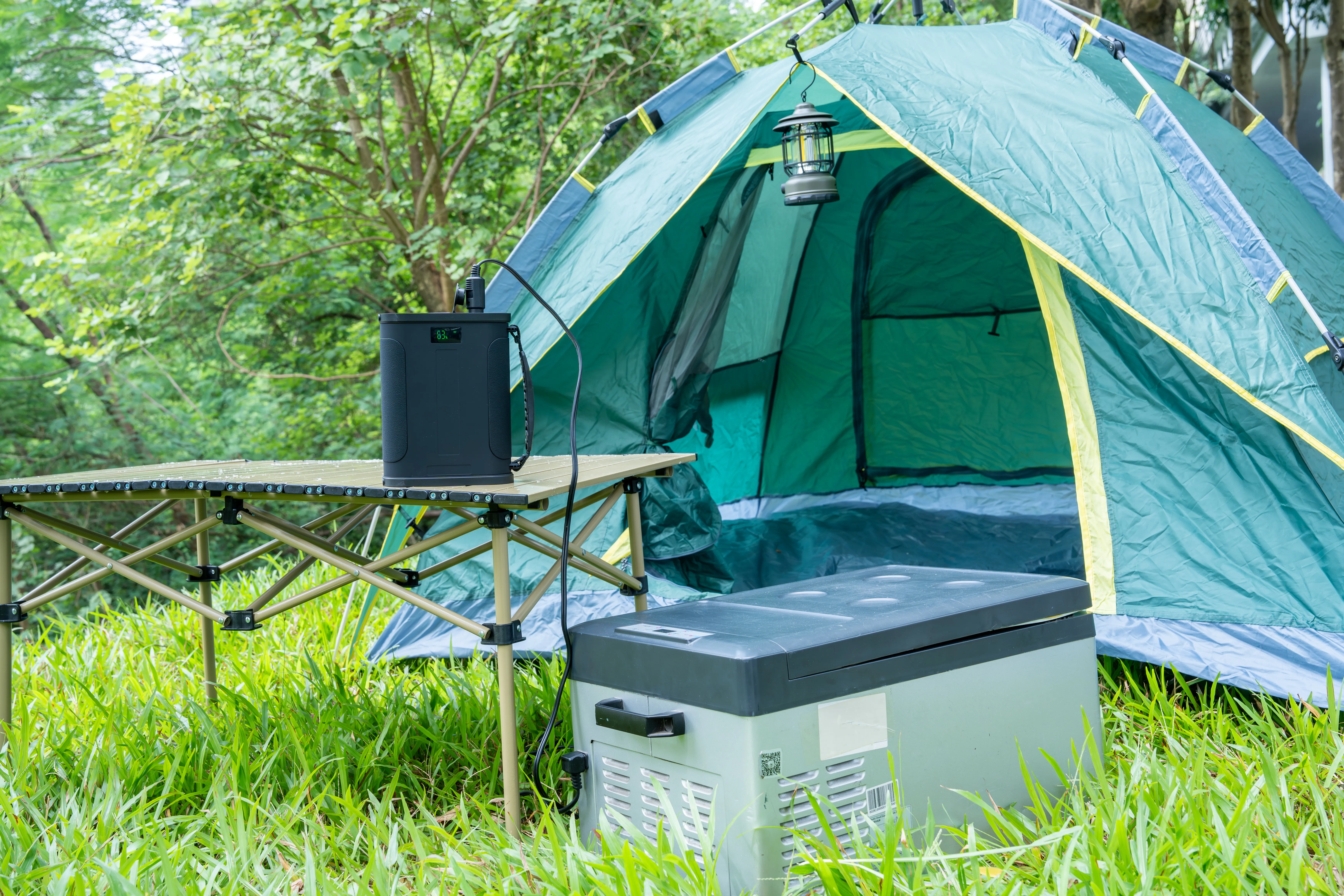
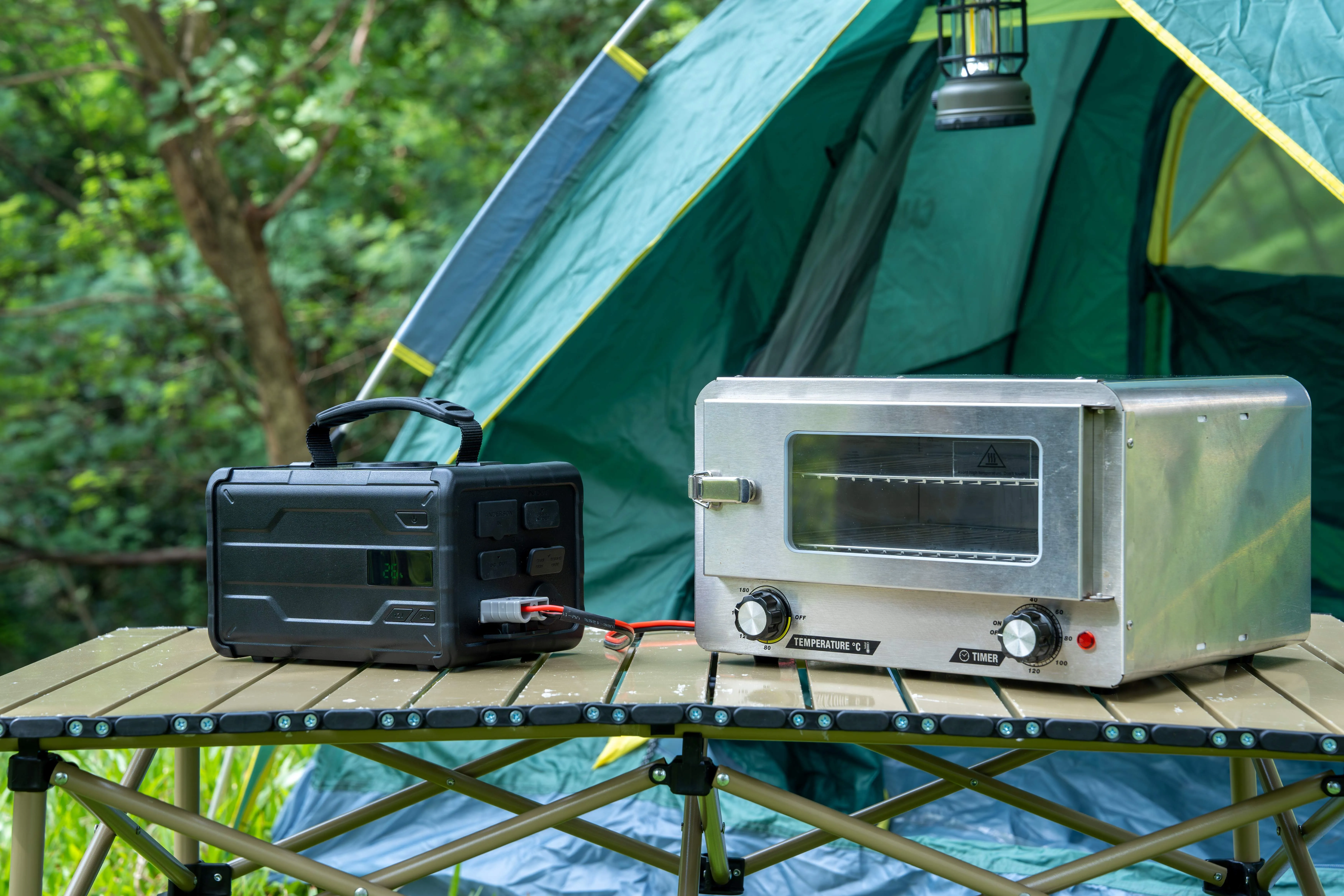
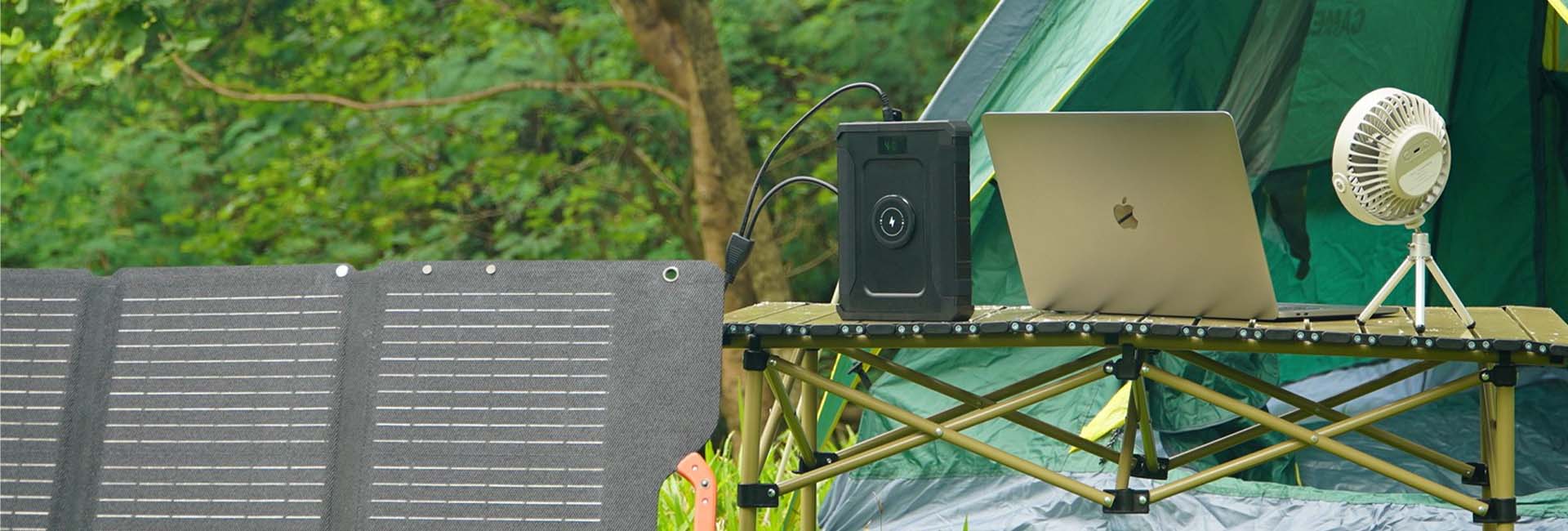
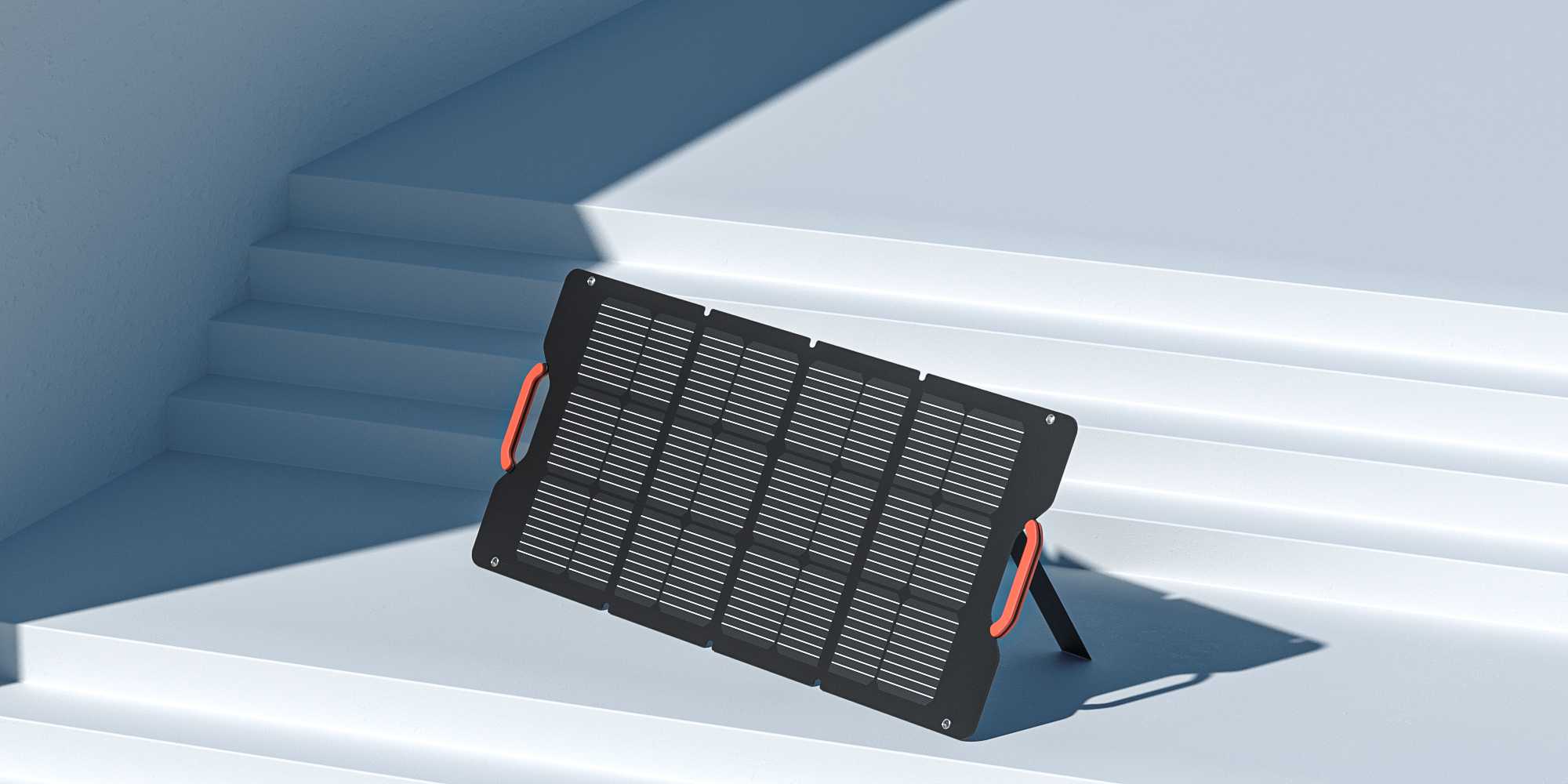
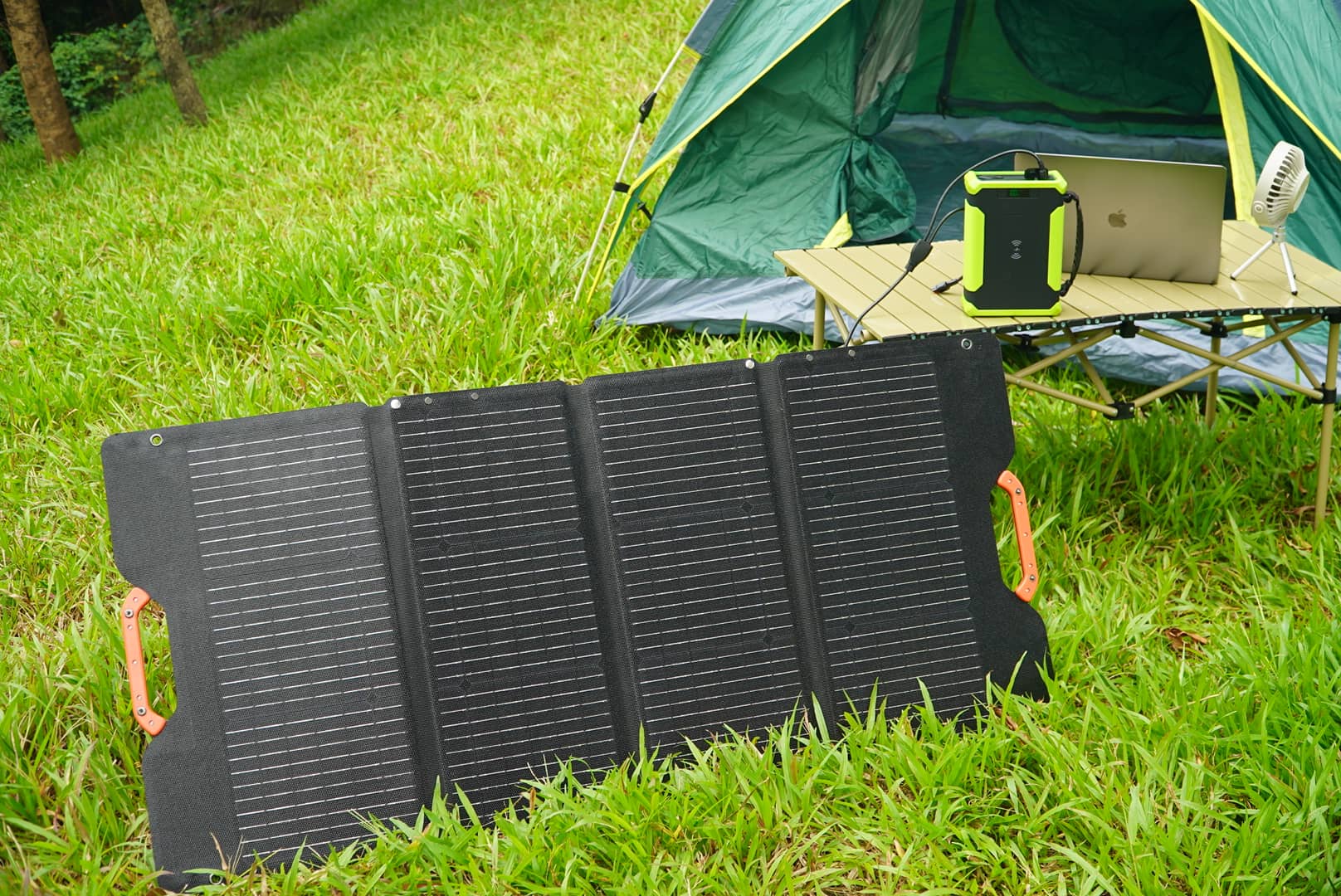
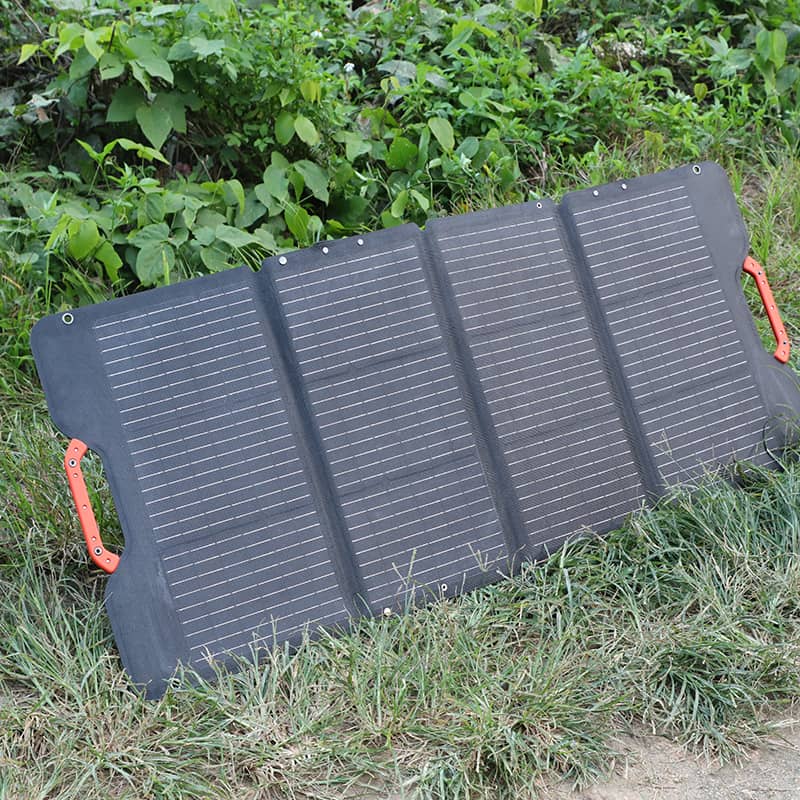
This is where smaller-scale solutions, such as a 100W portable solar panel, come into play. These panels can be used to generate clean energy for essential devices or to charge portable power stations. They offer a practical way to experience the benefits of solar energy without committing to a full home installation.
For many users, starting with a portable setup provides both immediate savings on small-scale energy use and a better understanding of how solar fits into their lifestyle.
How Solar Plus Storage Lowers Energy Bills
Reducing Grid Electricity Consumption
By generating your own electricity, you rely less on utility providers, directly lowering your monthly bill.
Avoiding Peak Electricity Rates
Battery storage allows you to use stored energy during peak pricing hours, helping you avoid higher rates.
Selling Excess Power
In some states, net metering programs allow homeowners to sell unused electricity back to the grid, further offsetting costs.
Long-Term Savings vs Upfront Investment
While installation costs can be significant, many homeowners see long-term savings that outweigh the initial expense.
Why Battery Storage Improves Home Energy Reliability
Backup Power During Outages
Battery systems provide essential backup power when the grid goes down, keeping critical devices running.
Protection from Grid Instability
Voltage fluctuations and minor outages can disrupt electronics. Storage systems help stabilize power supply.
Greater Energy Independence
With solar and storage, homeowners gain more control over their energy usage and reduce reliance on external providers.
The Role of Policy and Net Metering in Solar Adoption
What Net Metering Is
Net metering allows homeowners to receive credits for excess electricity sent back to the grid.
Federal and State Incentives
Programs like the federal Investment Tax Credit (ITC) significantly reduce the cost of installing solar systems.
Policy Variations by State
Incentives and regulations vary widely, which can influence how quickly homeowners see a return on investment.
Why More Homeowners Are Choosing Solar Plus Storage Today
Rising Awareness of Energy Costs
More consumers are actively seeking ways to reduce long-term expenses.
Improved Technology and Affordability
Advancements in solar panels and battery systems have made them more efficient and accessible.
Environmental Considerations
Reducing carbon footprint is becoming an important factor for many households.
Desire for Energy Independence
Owning your energy source provides both financial and psychological benefits.
Is Solar and Storage Right for Your Home?
Key Factors to Consider
- Roof condition and sunlight exposure
- Monthly electricity usage
- Budget and long-term goals
When Solar Makes the Most Sense
- High electricity rates
- Strong sunlight availability
- Long-term homeownership
When Battery Storage Adds Value
- Frequent power outages
- Time-of-use electricity pricing
- Need for backup power
Frequently Asked Questions
How long does it take to recover the cost of solar?
Typically between 5 to 10 years, depending on system size, location, and incentives.
Can I go completely off-grid with solar?
It’s possible, but requires a larger system and significant battery storage capacity.
How long do home batteries last?
Most systems last between 5 to 15 years, depending on usage and technology.
What happens during cloudy days?
Solar panels still generate power, though at reduced efficiency. Battery storage helps fill the gap.
Is solar still worth it without net metering?
Yes, especially when combined with battery storage to maximize self-consumption.
Taking Control of Rising Energy Costs at Home
Rising electricity costs are unlikely to reverse anytime soon. For many households, the question is no longer whether energy prices will increase—but how to respond effectively.
Large-scale solar installations are a powerful solution, but they’re not the only option. Many homeowners and outdoor users are starting with smaller, more flexible systems to reduce reliance on the grid and build energy independence gradually.
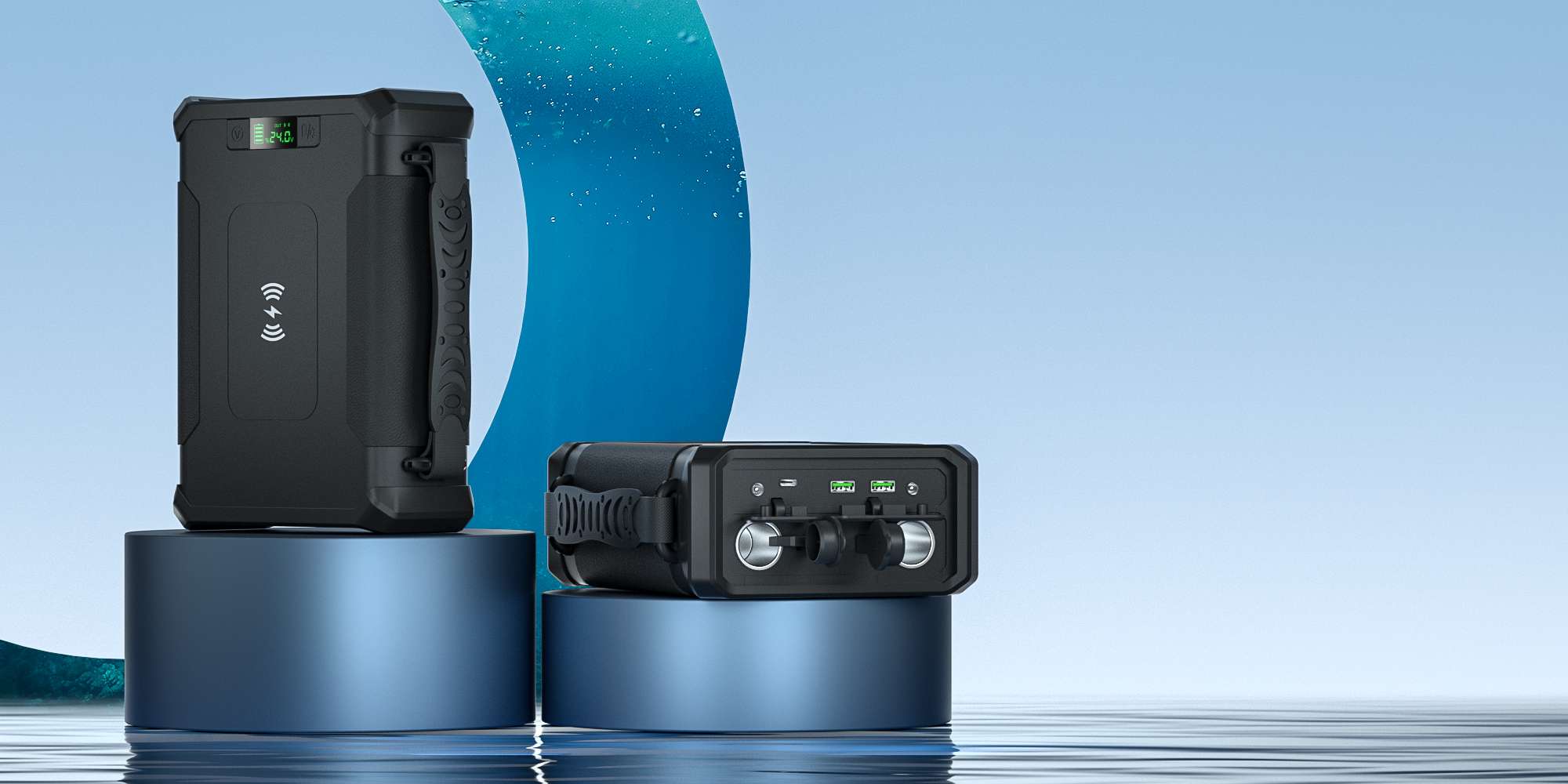
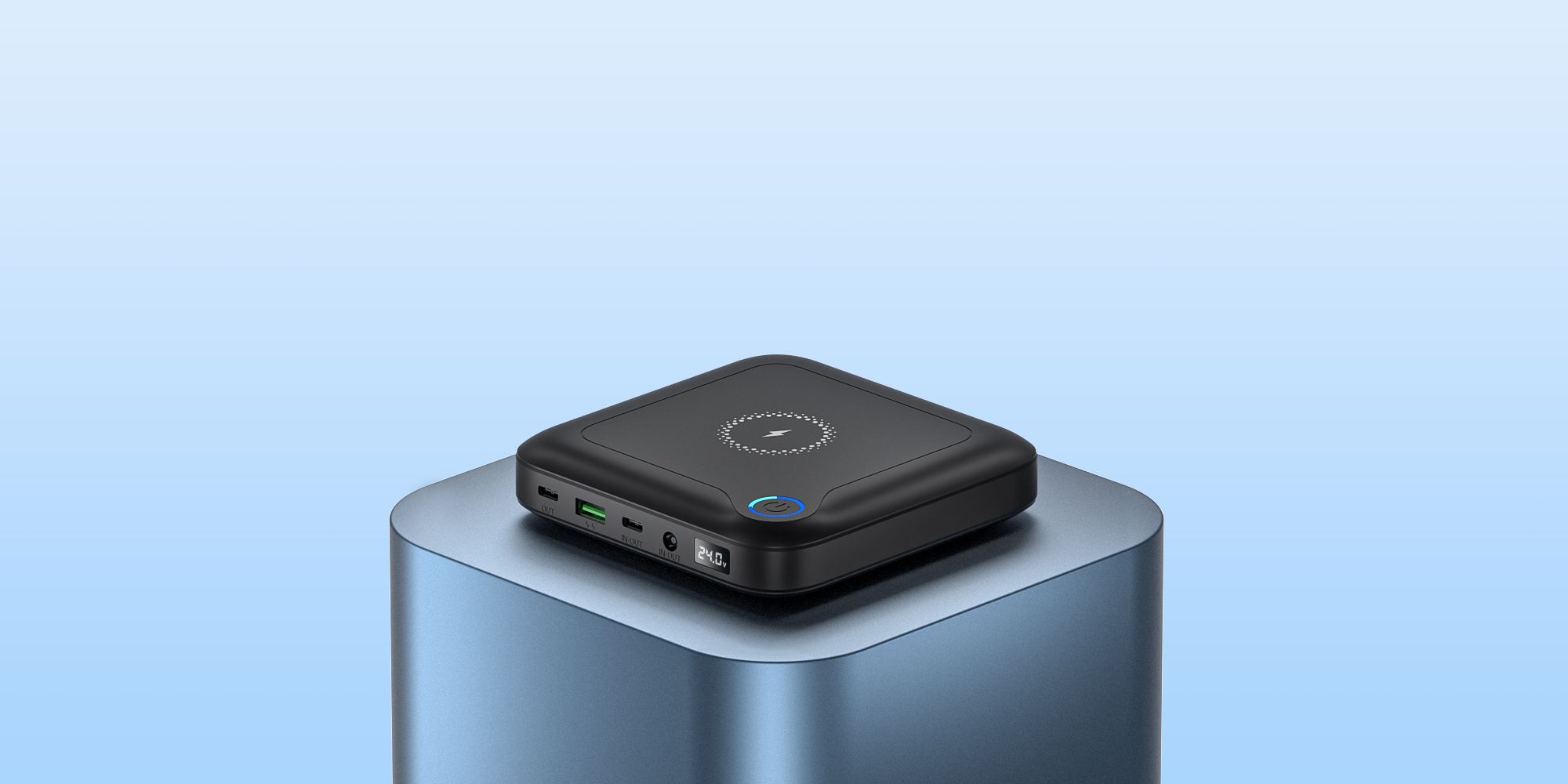
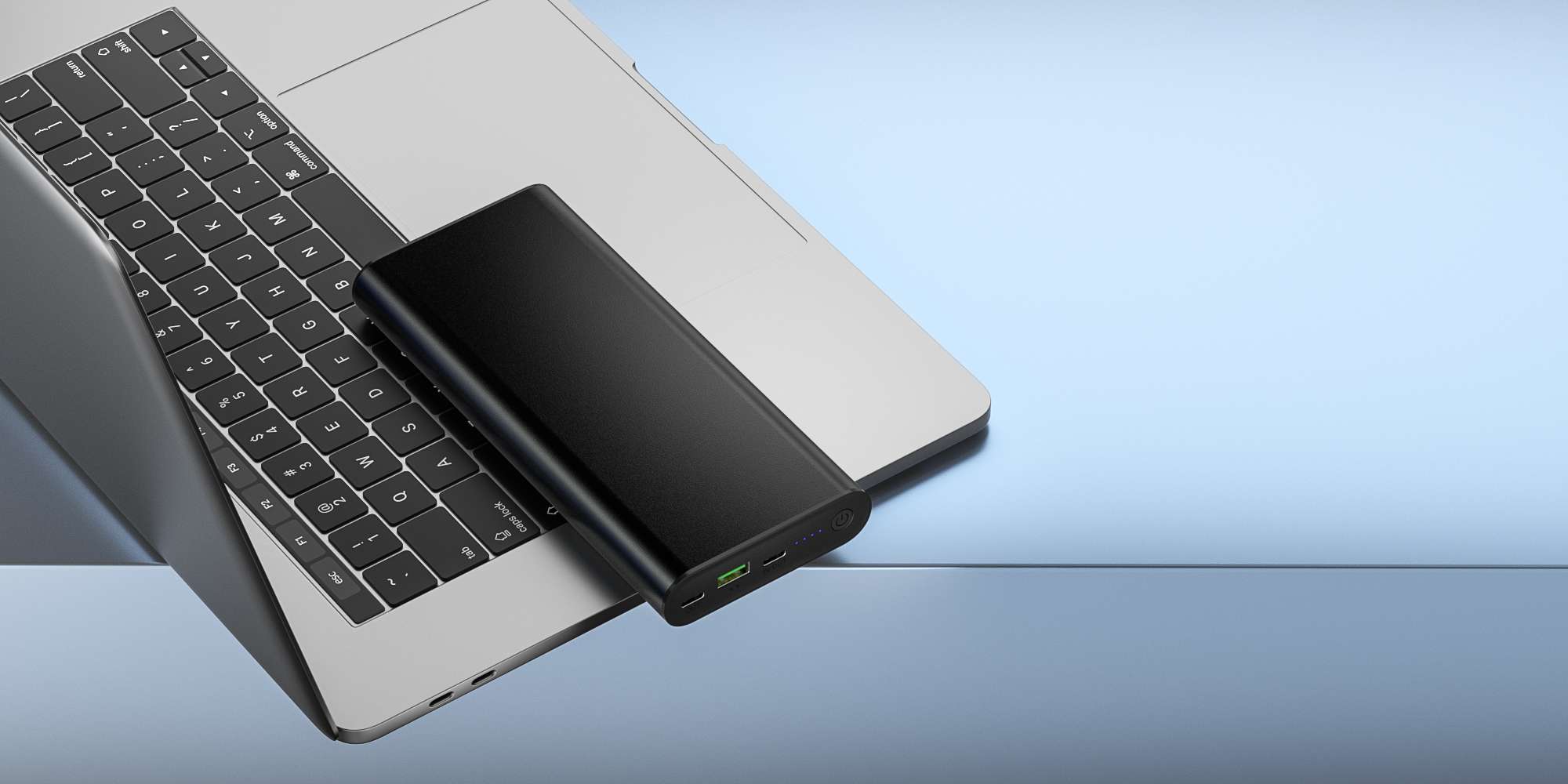
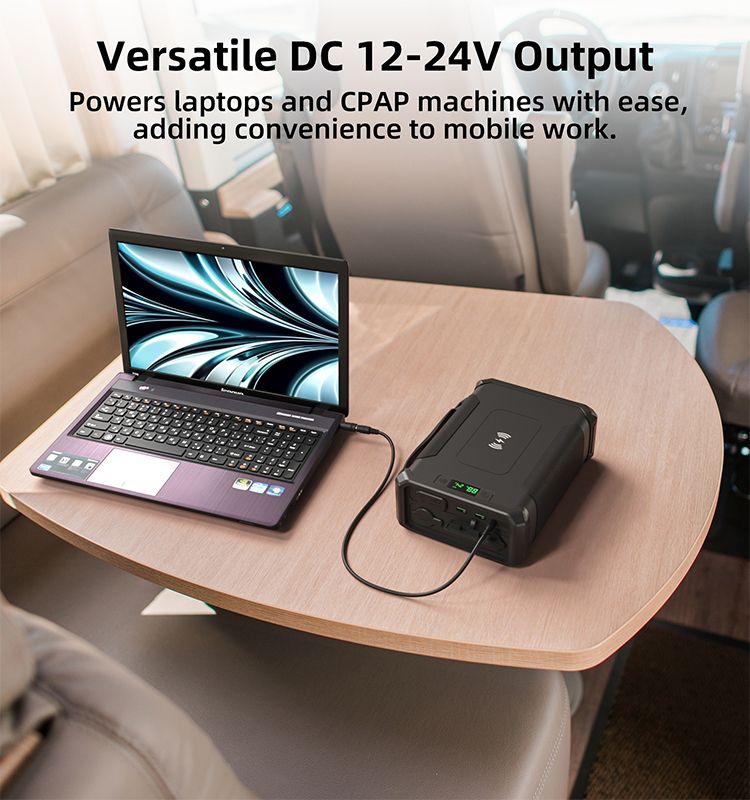
For example, combining a portable power station with a 100W solar panel allows you to generate and store energy for essential devices, emergency backup, or mobile use. This kind of setup is especially useful for those who want a lower-cost entry point into solar or need energy solutions that can adapt to different environments.
Over time, these smaller systems can complement larger installations or serve as reliable backup power in critical situations.
In a world of rising energy costs, taking even small steps toward energy independence can make a meaningful difference—both financially and practically.