
















Table of Contents
Introduction
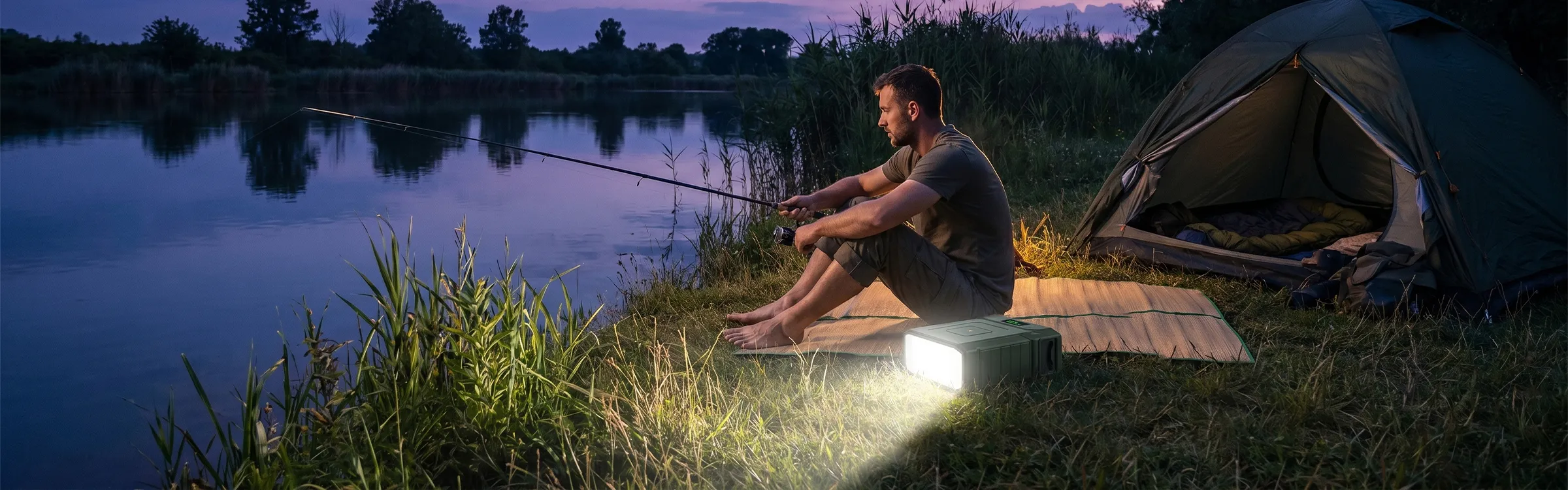
Night fishing hits different. The water is calmer, the crowds are gone, and the bite can be better—if you’re set up right. But once the sun goes down, one thing becomes absolutely critical: your lighting and how you power it.
A weak or unreliable power setup can cut your session short, limit your visibility, and even put you at risk. Whether you’re fishing from the shore, a dock, or a boat, having a dependable way to run your lights all night is what separates a frustrating trip from a productive one.
This guide breaks down how to choose the right night fishing lights, how to power them off-grid without hassle, and how to make your setup last longer on the water.
Night Fishing Lights: Why Power Matters More Than You Think
If you’ve fished at night before, you already know—lighting isn’t optional. It’s part of your strategy.
First, the right light can actually help attract fish. Certain wavelengths, especially green light, draw in plankton, which then attracts baitfish and larger predators.
Second, visibility is a safety issue. You need to see your gear, your footing, and your surroundings—especially if you’re near rocks, water edges, or moving around a boat.
And finally, night fishing sessions tend to run long. It’s not uncommon to fish for 6–10 hours after sunset. That means your power source needs to keep up for the entire session, not just the first couple of hours.
Choosing the Right Night Fishing Light Setup for Your Spot
Your lighting setup depends a lot on where and how you fish.
If you’re shore fishing, portability matters. You’ll want something easy to carry and quick to set up, often mounted on a tripod or hung near your fishing area.
For boat fishing, you have more flexibility. Submersible lights, rail-mounted LEDs, or deck lighting systems are common choices.
When it comes to light type, LED is the clear winner. It’s energy-efficient, long-lasting, and produces less heat compared to halogen options.
Most anglers prefer 12V fishing lights because they strike the right balance between power and efficiency. They’re bright enough to be effective but don’t drain your battery as quickly as high-voltage systems.
Light color also matters. Green lights are widely used because they penetrate water well and attract more marine life. White lights are better for general visibility around your setup.
How to Power 12V Night Fishing Lights Off-Grid Without Hassle
Powering your setup is where most anglers run into trouble.
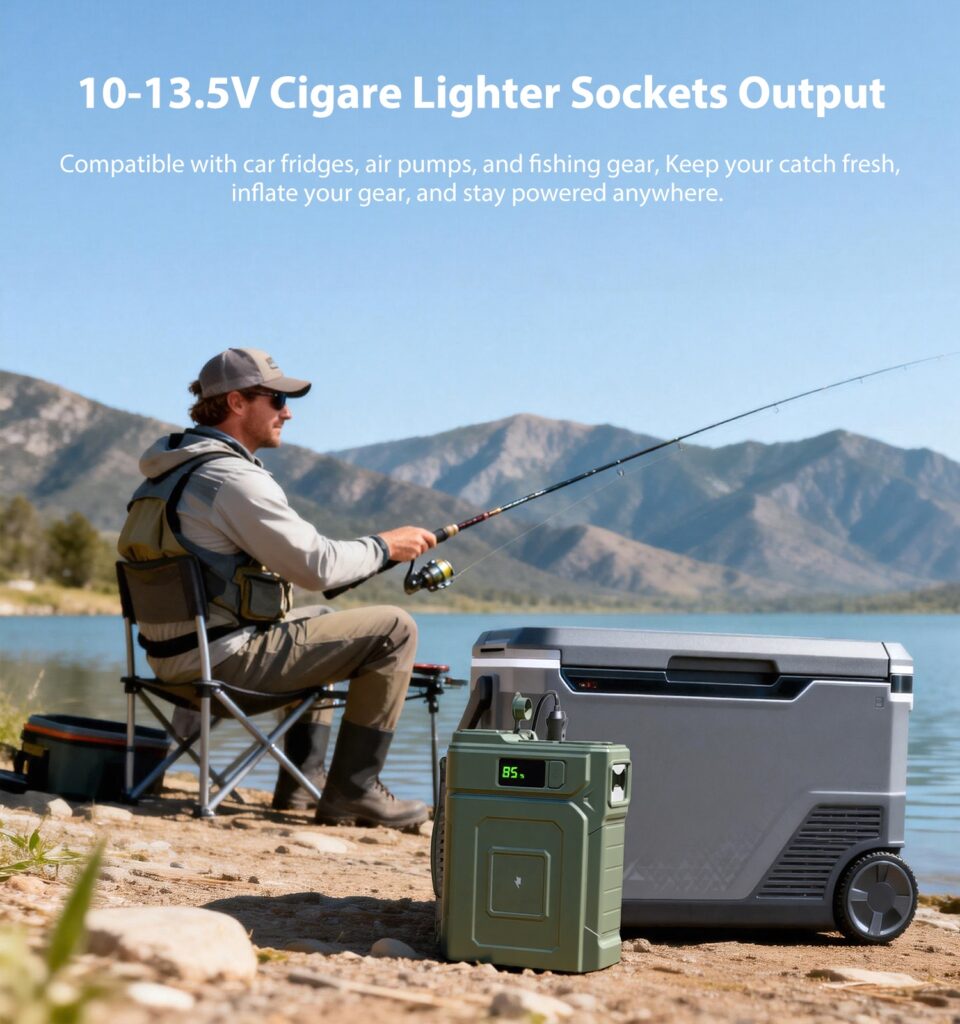
Traditional solutions like car batteries or gas generators get the job done—but they come with downsides. Car batteries are heavy and inconvenient to transport, while generators are noisy, require fuel, and aren’t always practical near water.
That’s why more anglers are switching to portable power solutions. They’re compact, quiet, and designed for exactly this kind of off-grid use.
To run 12V fishing lights effectively, your power source needs to provide stable output, sufficient capacity, and enough ports to support additional devices if needed.
A reliable portable power unit lets you focus on fishing instead of worrying about whether your lights will last through the night.
Estimate Runtime and Build a More Efficient Lighting Plan
Understanding how long your setup will run is key to planning a successful trip.
The basic idea is simple: runtime depends on your battery capacity and the power consumption of your lights.
For example, if you’re running a 30W LED fishing light, and your power source has around 300Wh of usable capacity, you can expect roughly 8–10 hours of runtime under normal conditions.
Of course, real-world performance varies based on efficiency and usage, but this gives you a solid starting point.
To stretch your runtime further, use LED lights instead of older technologies, avoid running unnecessary devices, and consider lowering brightness when full power isn’t needed.
Some anglers also rotate between lights instead of running everything at once, which can significantly extend battery life.
Safety and Legal Basics for Fishing After Dark
Fishing at night comes with a different set of risks, so safety should always be part of your setup.
Check local regulations before using fishing lights. Some areas have restrictions on light types, brightness, or where they can be used.
When dealing with electricity near water, keep all connections secure and dry. Use properly rated cables and avoid makeshift setups that could lead to short circuits.
Battery safety is equally important. Use a stable power source with built-in protection systems to prevent overheating, overcharging, or short circuits.
A clean, well-organized setup not only performs better—it’s also much safer.
A Smarter Power Solution for Night Fishing
If you’re tired of hauling heavy batteries or dealing with unreliable setups, upgrading your power solution can completely change your night fishing experience.
Modern portable power systems are designed to handle real outdoor conditions. They offer stable 12V output, higher capacity, and the flexibility to power multiple devices at once.
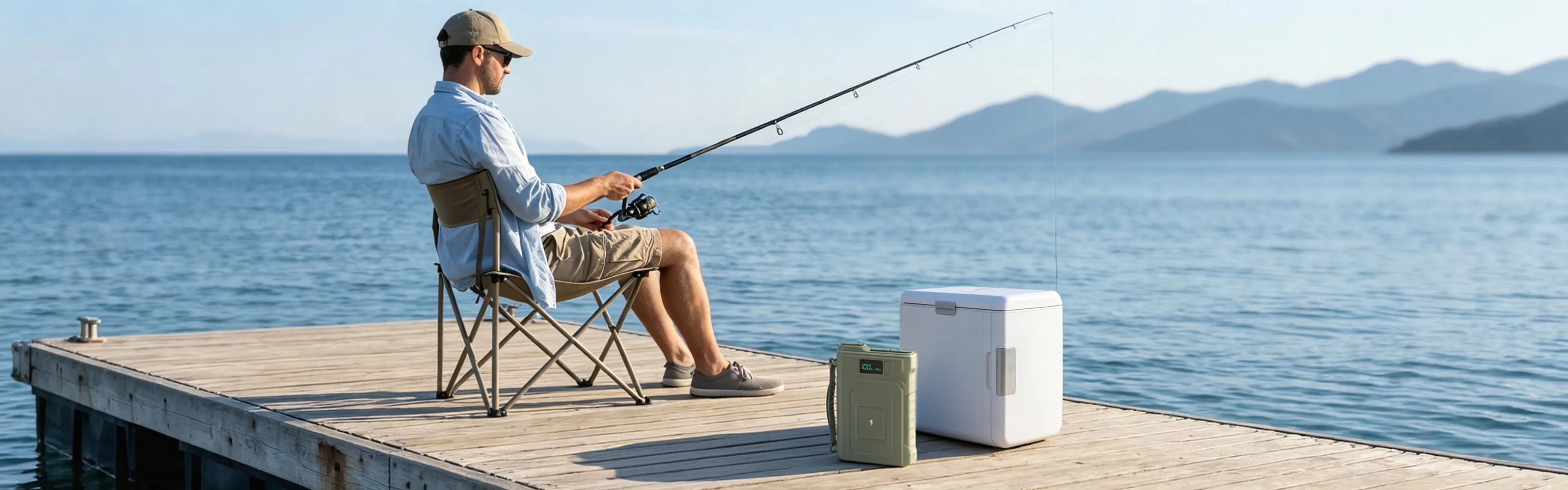
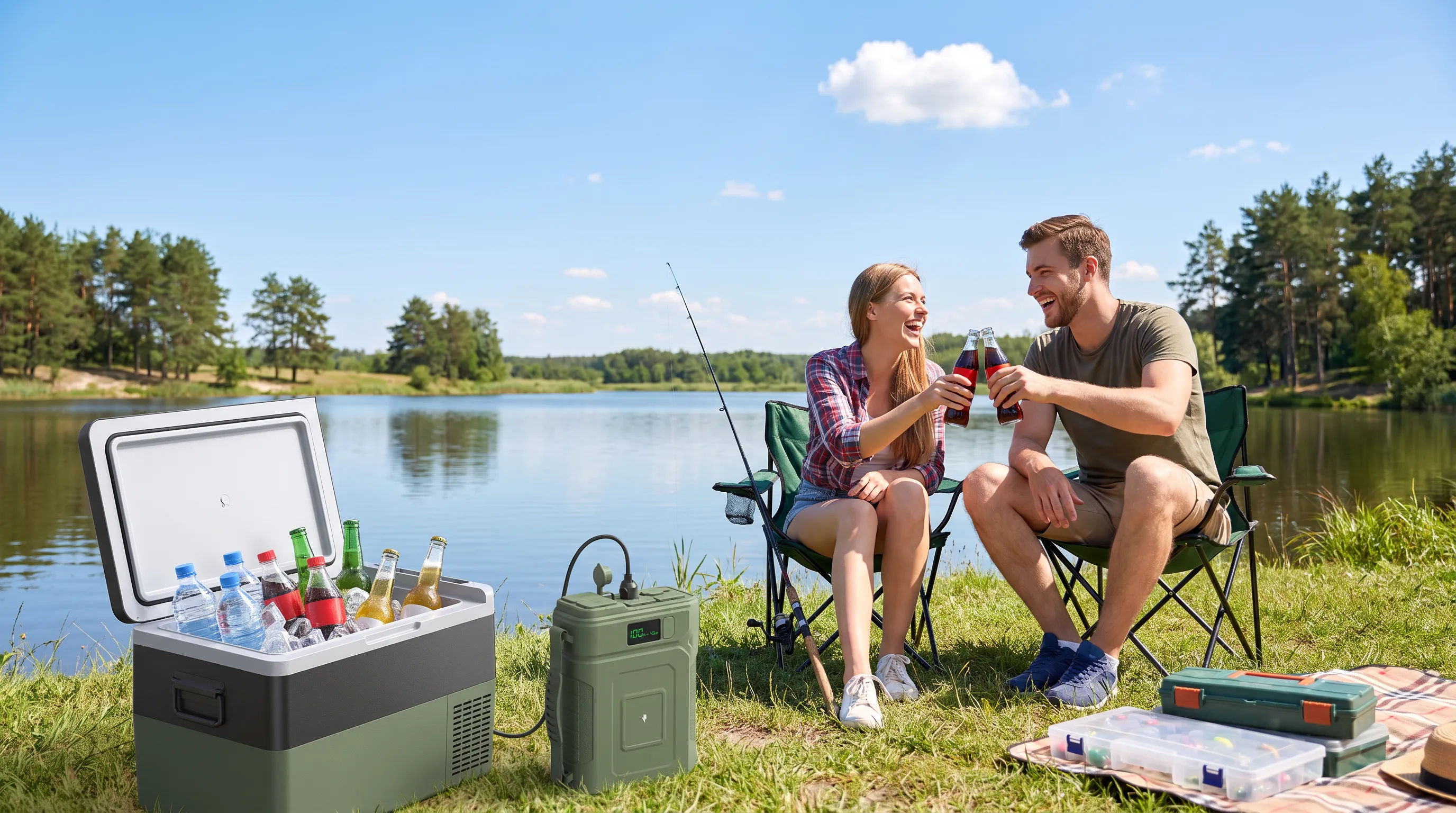
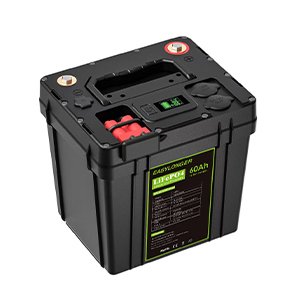
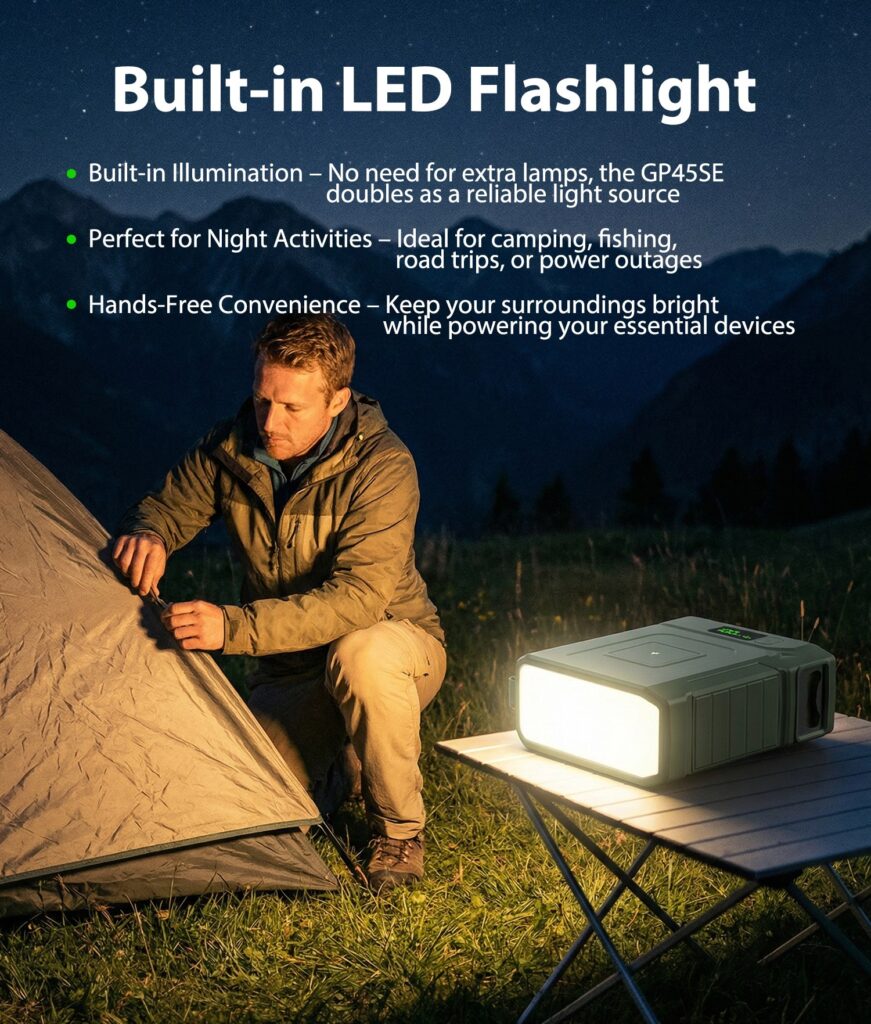
For example, solutions like the Merpower GP series are built with anglers and outdoor users in mind. They provide consistent power for 12V fishing lights while also supporting other gear like phones, GPS units, or additional lighting.
With higher capacity options, you can comfortably run your lights for an entire night without constantly checking your battery level. The portable design also makes it easy to carry from your vehicle to your fishing spot, whether you’re on the shore or setting up on a boat.
Instead of adapting your fishing session to your power limits, you can build a setup that works the way you want it to.
Practical Tips for Better Night Fishing Power Management
Before heading out, fully charge your power unit and test your setup at home. This helps you avoid surprises once you’re on the water.
Keep your cables organized and elevated to prevent contact with water or sand.
Prioritize essential devices like your main fishing light and communication tools before powering extras.
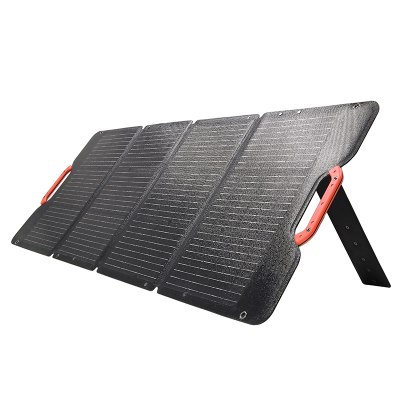
If you plan to fish multiple nights, consider bringing a backup power source or a solar panel for daytime recharging.
Small adjustments like these can make a big difference in how smooth your trip goes.
Frequently Asked Questions
What color light is best for night fishing?
Green light is the most commonly used because it attracts plankton and baitfish, which can increase your chances of catching larger fish.
Can I use a regular power bank for fishing lights?
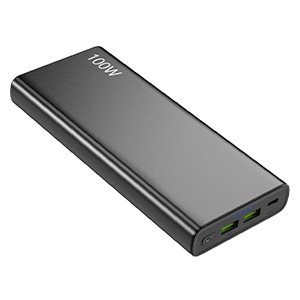
Only if it supports 12V output. Most standard power banks are designed for USB devices and may not work with fishing lights.
How long will a battery run my fishing lights?
It depends on your light’s wattage and your battery’s capacity. Higher efficiency setups can last an entire night or longer.
Is it safe to use batteries near water?
Yes, as long as you use properly designed equipment and keep connections secure and dry.
Power Longer, Safer Nights on the Water With Merpower
Night fishing is all about timing, patience, and being prepared. The right lighting setup helps you see more, fish smarter, and stay safe—but it all depends on having reliable power behind it.
By choosing efficient lights, planning your energy use, and using a dependable portable power solution, you can fish longer without interruptions.
In the end, it’s simple: when your power setup works, everything else becomes easier. You spend less time worrying about your gear—and more time focused on the water.