

Table of Contents
In 2025, portable energy has become essential to modern living. Whether you’re camping deep in the wilderness, experiencing unexpected power outages at home, or looking to increase energy independence with solar, the need for reliable power has never been greater.
The challenge?
There are now two major battery system categories—both powerful, both useful, but designed for completely different purposes:
Portable Outdoor Power Banks (like Merpower GP Series)
Home Energy Storage Systems (like your partner company’s ESS products)
While both store electricity, the difference between them is massive—capacity, output type, installation, portability, price, and long-term usage strategy all differ.
This comprehensive guide explains the differences, benefits, applications, and how to choose the right system for your lifestyle. Whether you are an outdoor enthusiast, a homeowner preparing for emergencies, or someone who needs both solutions—this is the complete comparison.
1. Why Battery Systems Matter Now More Than Ever (2025 Trends)
Energy consumption habits have changed dramatically in recent years:
1.1 Outdoor lifestyles are booming
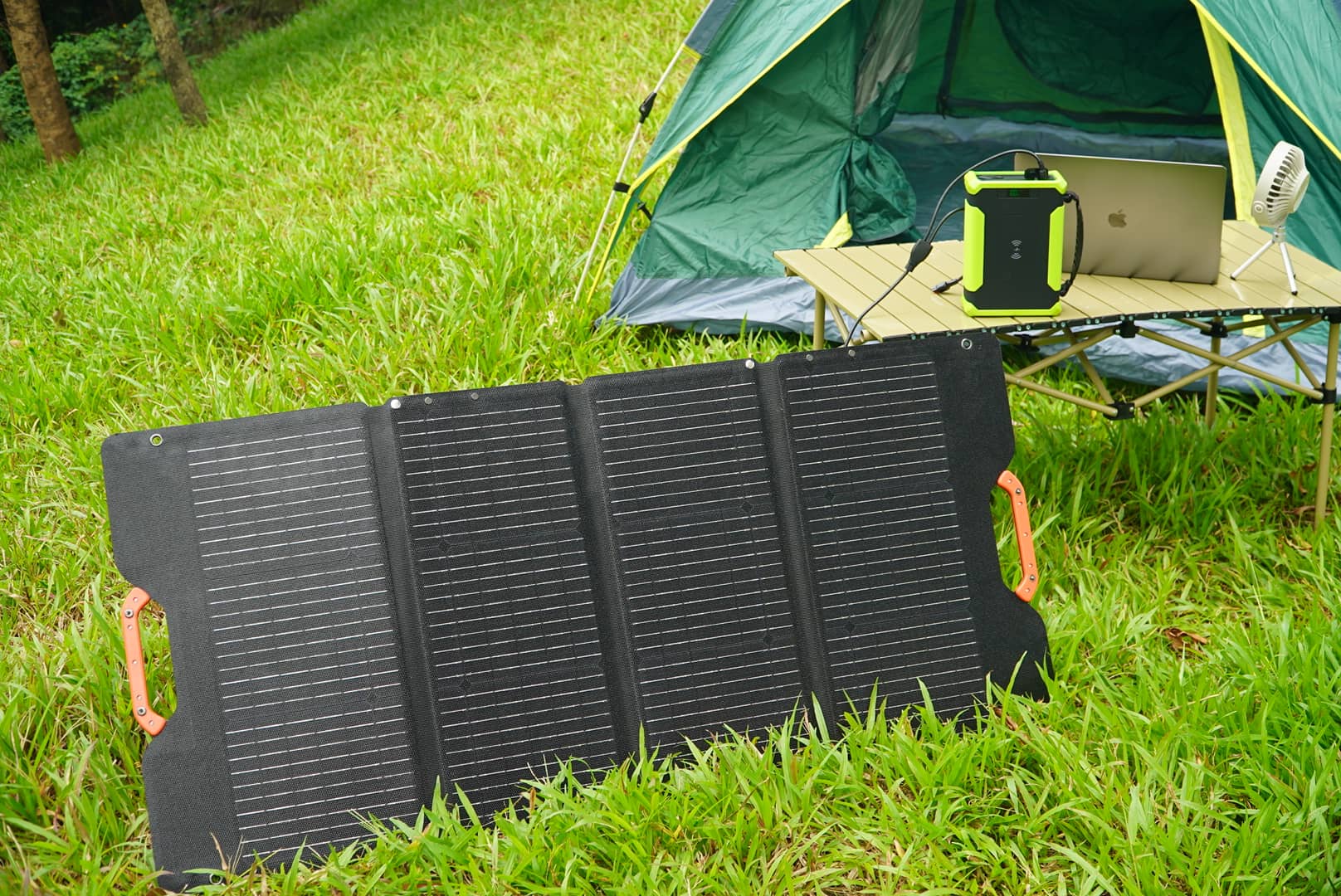
Camping, fishing, van life, RV travel, and weekend adventures continue to grow in Europe and North America. Modern outdoor travelers bring more electronics than ever:
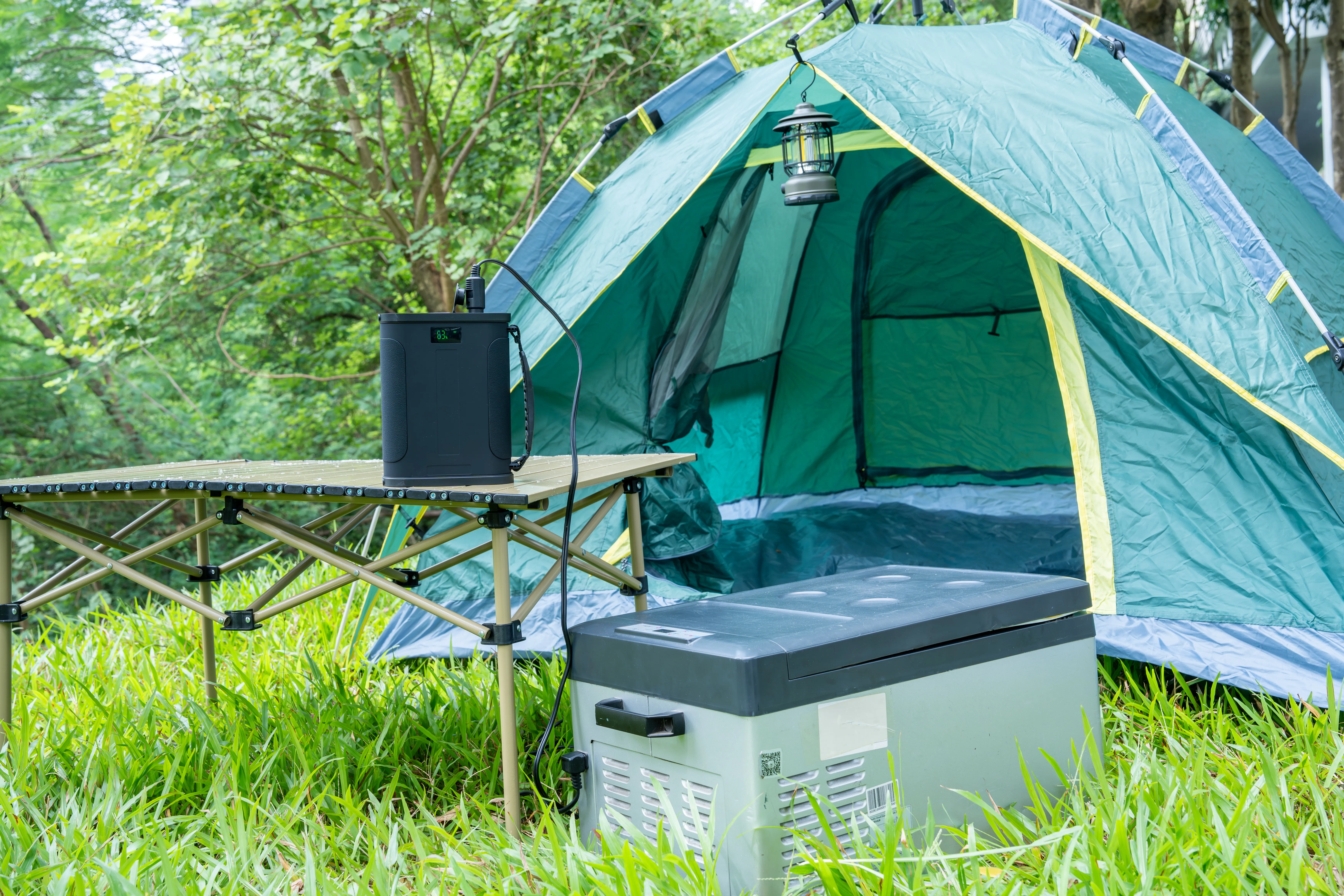
12V car fridges
drones
cameras
heated blankets
portable LED panels
CPAP machines
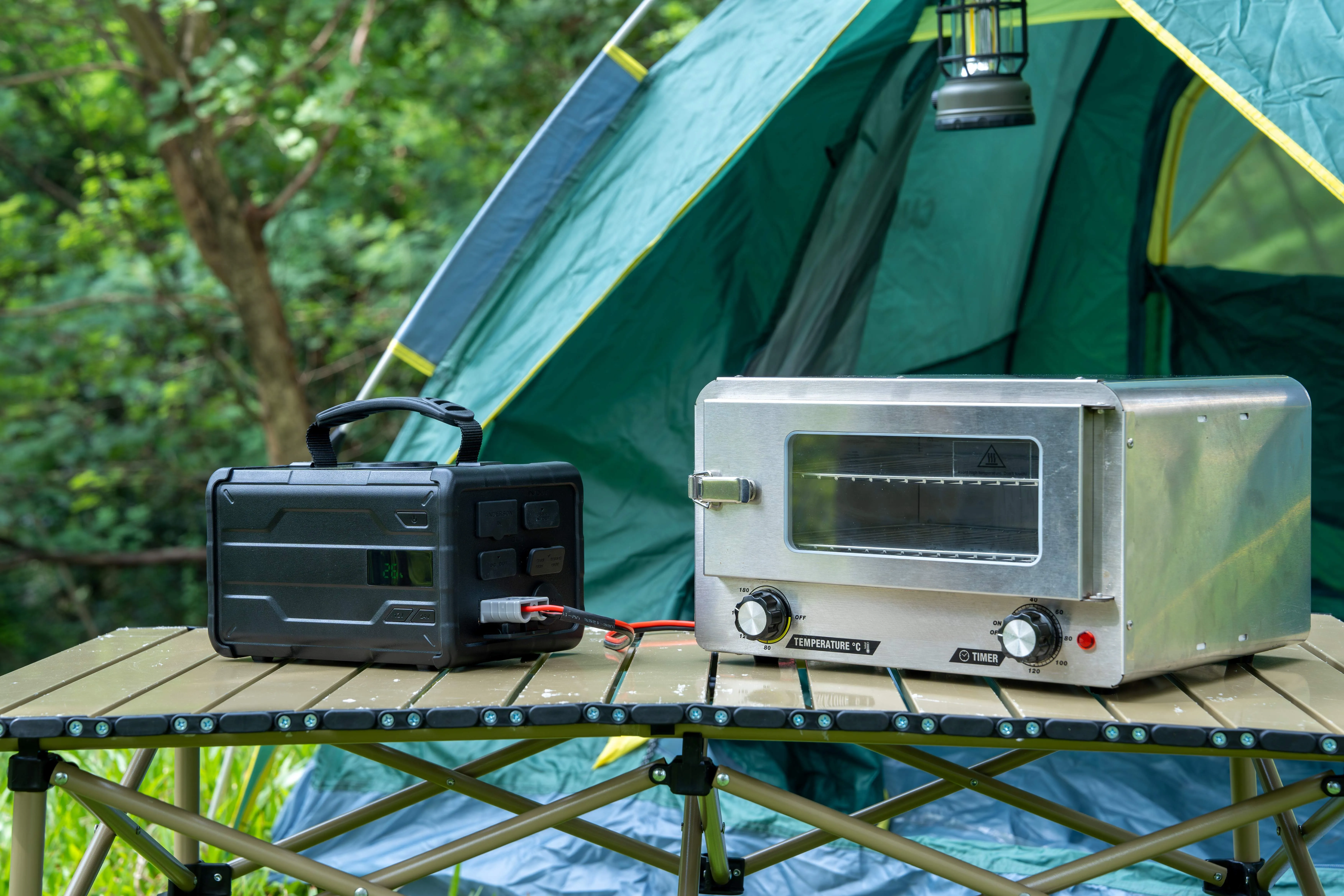
12V cooking appliances
laptops & tablets
A portable power bank has become essential.
1.2 Home power outages are increasing
Due to:
storms and extreme weather
unreliable grids
natural disasters
growing electricity demand
Many homeowners now look for reliable home energy storage solutions to run:
refrigerators
heating systems
lights
WiFi
medical equipment
household electronics
1.3 Renewable energy adoption is accelerating
More households are installing solar systems and need home batteries to store excess solar power.
1.4 Energy independence is now a priority
Consumers want:
lower electricity bills
backup power
portable energy
eco-friendly power sources
This is why understanding the difference between outdoor power banks and home energy storage systems is crucial.
2. Outdoor Power Banks vs. Home Energy Storage Systems: What They Are
2.1 What Is an Outdoor Portable Power Bank?
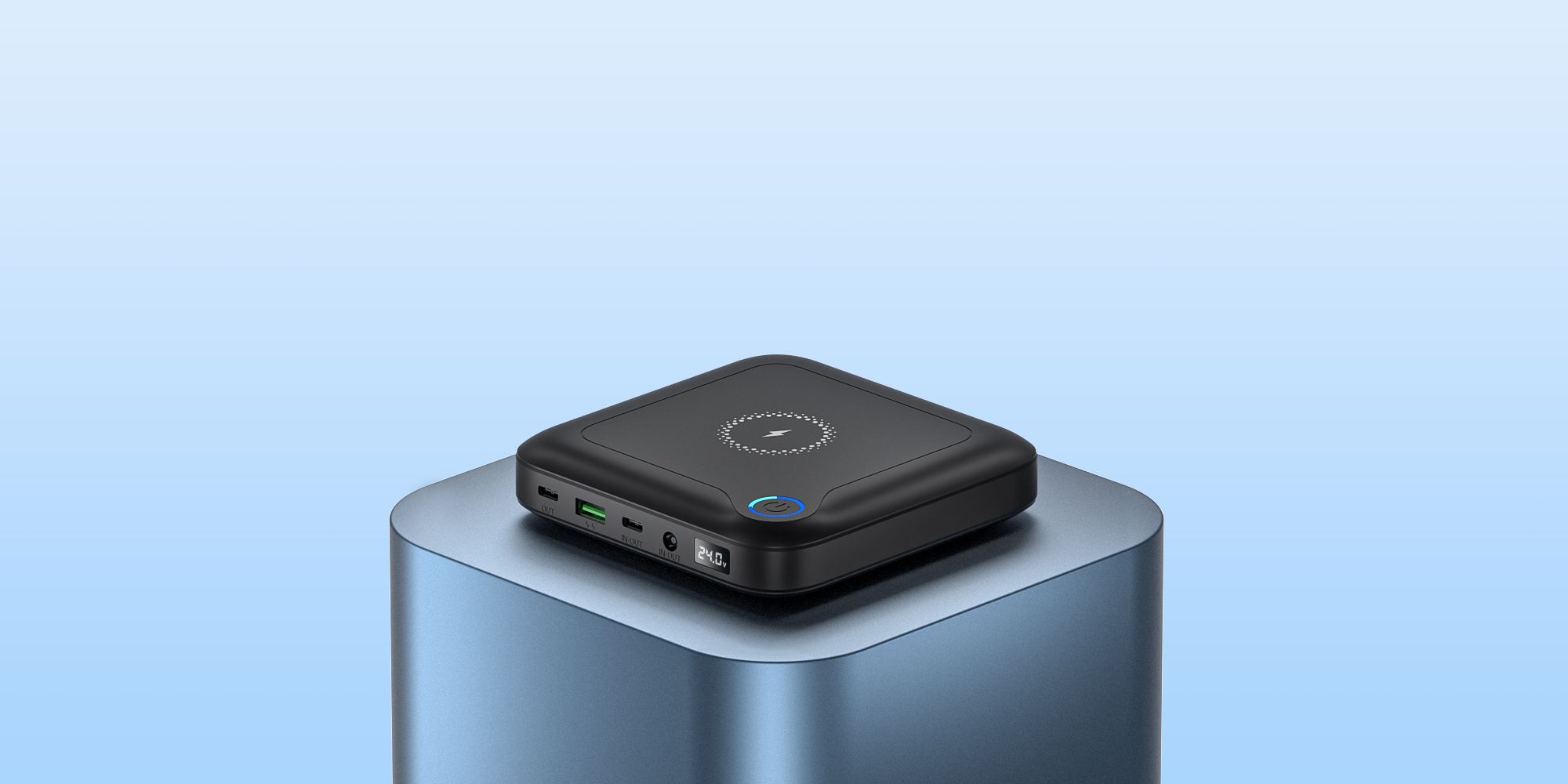
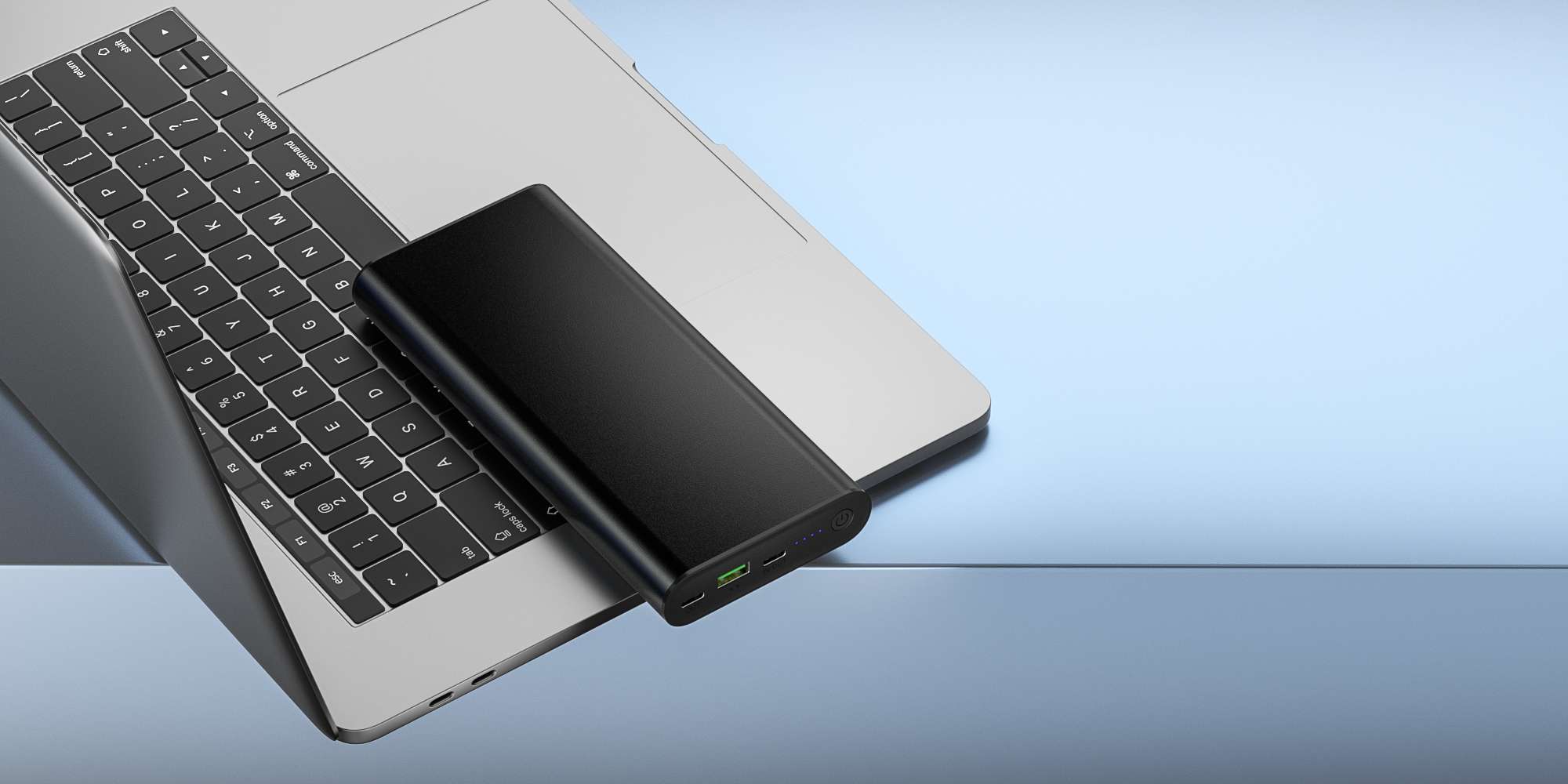
An outdoor power bank is a compact, portable, rechargeable energy source, typically 150Wh–600Wh, designed for:
camping
travel
fishing
field work
off-grid charging
powering small to medium 12V devices
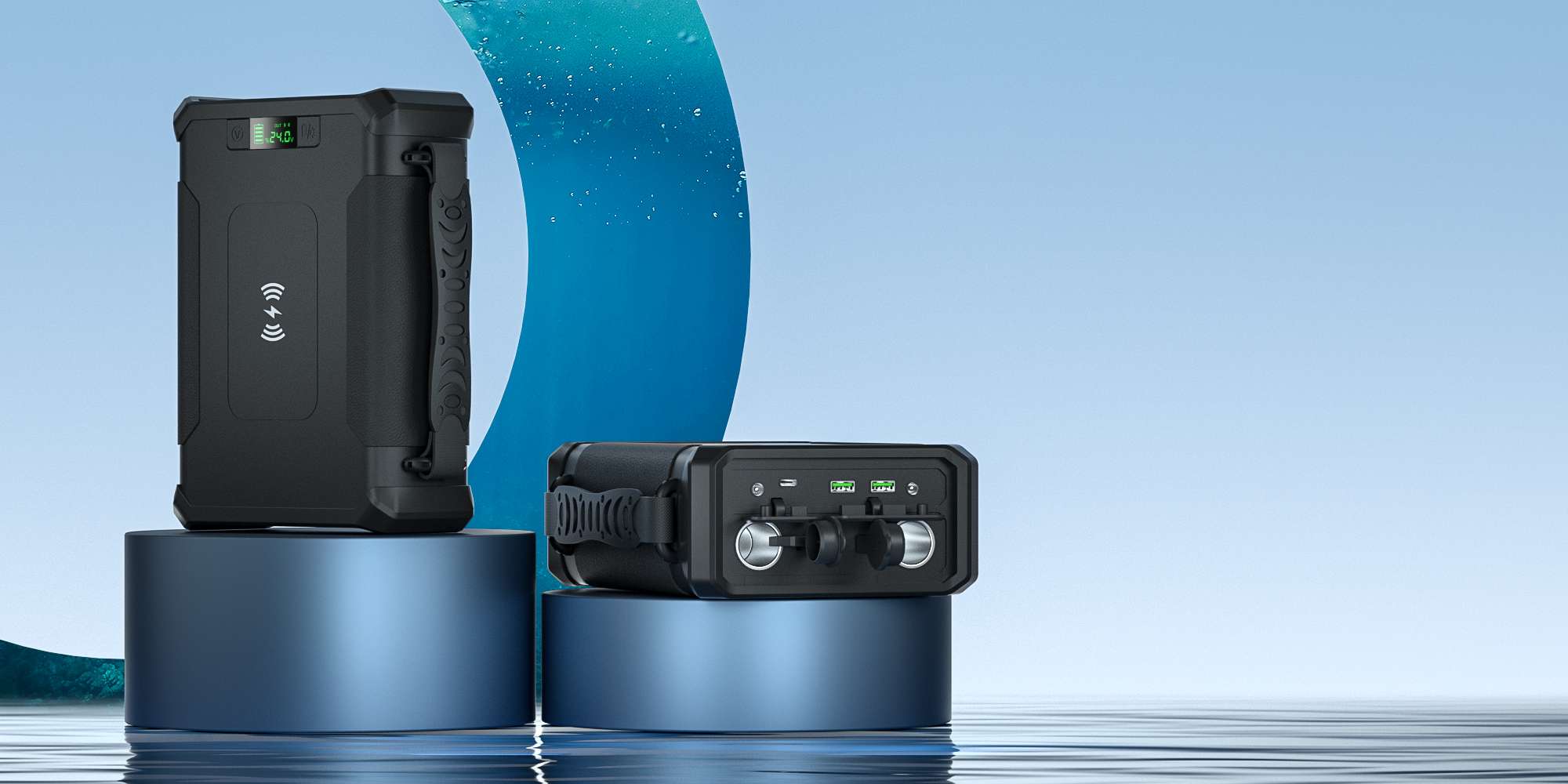
Outdoor power banks (such as Merpower GP35, GP40 Pro, GP50, and GP70) are optimized for DC output, including:
12V DC
24V DC
Cigarette Lighter Port (10–15A)
USB-C PD fast charging (up to 100W)
USB-A fast charging
Wireless charging
These units are lightweight, splash-resistant, shock-resistant, and made for mobility.
2.2 What Is a Home Energy Storage System (ESS)?
A home energy storage system is a large-capacity battery bank, typically 5kWh–20kWh+, designed to:
power home appliances
provide blackout protection
store excess solar energy
reduce electricity bills
Unlike portable units, ESS:
are installed permanently
connect to your electrical panel
output AC power (110/220V)
power entire rooms or entire homes
These systems usually require professional installation and include:
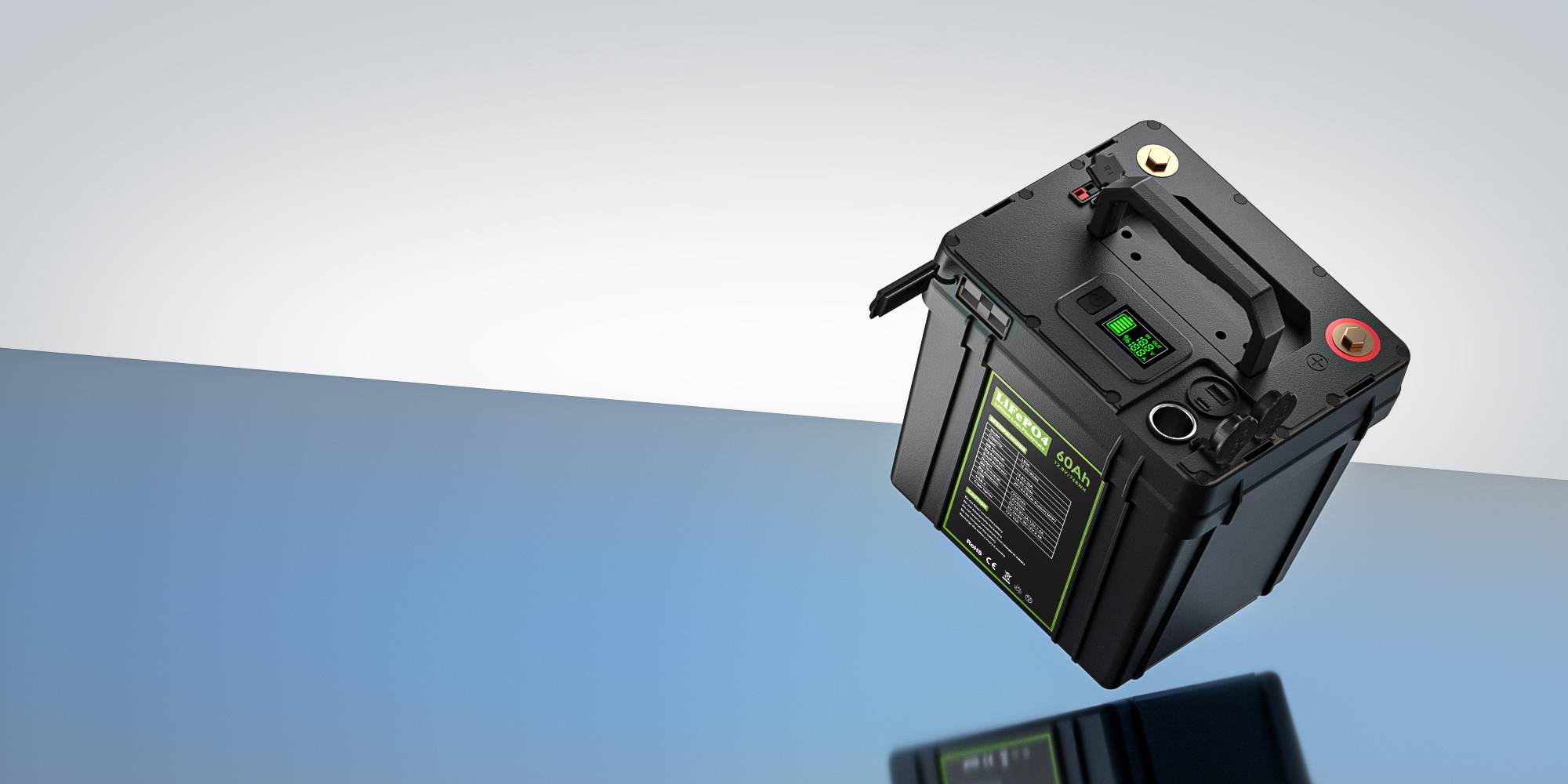
lithium iron phosphate (LiFePO₄) batteries
smart inverters
solar charging controllers
BMS (battery management system)
WiFi/Bluetooth monitoring
3. Key Differences Between Outdoor Power Banks and Home Storage Systems
To help users understand the gap, here’s a complete comparison.
3.1 Portability
| Feature | Banque d'alimentation pour l'extérieur | Home Energy Storage |
|---|---|---|
| Mobility | Handheld or backpack size | Fixed installation |
| Poids | 1–7 kg | 20–120 kg |
| Portability | Extremely portable | Zero portability |
Outdoor power banks are designed for mobility. Home storage batteries are designed for long-term household use.
3.2 Capacity (Wh and kWh)
| System | Typical Capacity |
|---|---|
| Banque d'alimentation pour l'extérieur | 150–600Wh |
| Home Storage Battery | 5–20kWh+ |
A 600Wh portable battery cannot replace a home ESS, and a 10kWh home ESS cannot be taken on a camping trip.
3.3 Output Type (DC vs AC)
Outdoor Power Banks
DC12V / DC24V
Cigarette lighter output
USB-C PD
USB-A
Wireless charging
Ideal for electronics and 12V appliances.
Home Energy Storage
Pure sine wave AC output
Designed for refrigerators, TVs, AC units, pumps, lighting
Can power an entire home circuit
3.4 Applications
Outdoor Power Bank Is Best For:
Camping
Fishing
Hunting
Van life
Off-grid photography
Medical CPAP (with 24V cable)
Car fridges
Heated blankets
Drone charging
Home Energy Storage Is Best For:
Home blackout protection
Solar power storage
Refrigerators, freezers
Heating and cooling
Lighting and WiFi
Home office equipment
Electric tools
3.5 Installation
| Feature | Banque d'alimentation pour l'extérieur | Home ESS |
|---|---|---|
| Installation | Aucun | Required |
| User Setup | Plug-and-play | Professional |
| Mobility | Anywhere | Stationary |
3.6 Lifespan & Battery Technology
Most high-quality systems use LiFePO₄ (Lithium Iron Phosphate).
Outdoor Power Banks
Lifespan: 2000–3000+ cycles
Temperature resistance: Excellent
Safety: High
Home ESS
Lifespan: 6000–8000+ cycles
Temperature resistance: Excellent
Safety: Extremely high
3.7 Cost Comparison
| System | Price Range |
|---|---|
| Banque d'alimentation pour l'extérieur | $100–$500 USD |
| Home ESS | $2000–$9000+ USD |
4. How to Choose the Right Battery System for Your Needs
4.1 If You Need Power for Camping, Fishing, Road Trips → Choose Outdoor Power Banks
Outdoor travelers need:
portability
durability
DC outputs
12V cigarette lighter port
solar charging
IP-rated water resistance
Merpower GP Series is built exactly for this purpose.
4.2 If You Need Power for Home Backup, Blackouts, or Solar → Choose a Home Storage Battery
Homeowners need:
higher capacity
AC output
long-term reliability
grid integration
solar compatibility
peak load support
Your partner’s Home Energy Storage System is built for this.
4.3 If You Need Power Both Outdoors and at Home → Use a Hybrid Setup
The best solution is:
✔ Merpower GP40 Pro (or GP50) for outdoor mobility
✔ Home Energy Storage System for home backup
This gives you:
full outdoor mobility
full home safety
the ability to power everything from small electronics to household appliances
5. Detailed Comparison Table
| Feature | Banque d'alimentation pour l'extérieur | Home Energy Storage |
|---|---|---|
| Capacité | 150–600Wh | 5–20kWh+ |
| Portability | Portable / handheld | Fixed installation |
| Output Type | DC12V / DC24V / USB / Cigarette Lighter | AC 110/220V |
| Use Cases | Camping, fishing, travel | Blackout protection, solar storage |
| Type de batterie | LiFePO₄ (2000–3000 cycles) | LiFePO₄ (6000–8000 cycles) |
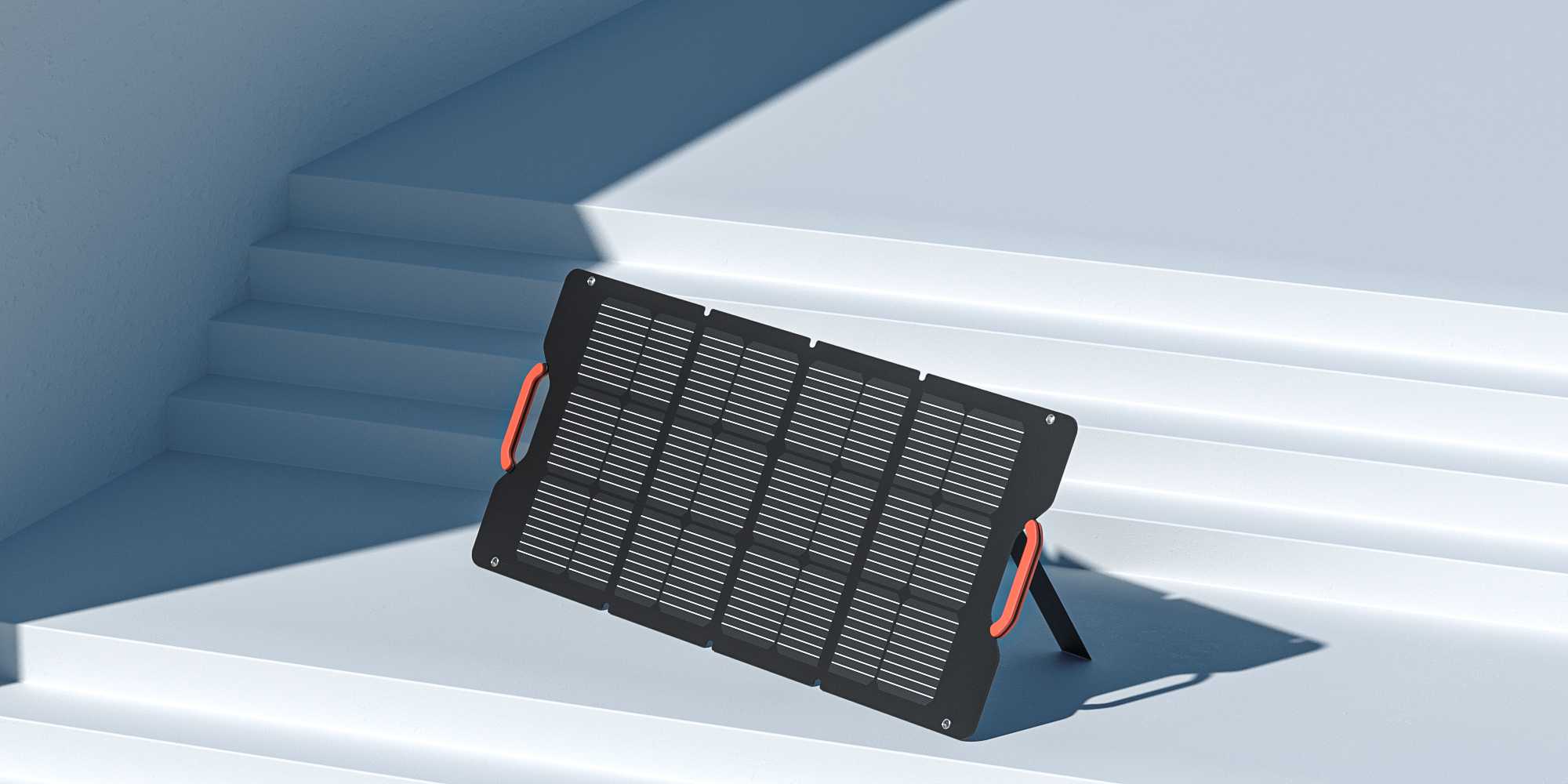
| Solar Support | Portable panels (80–160W) | Rooftop solar (3kW–10kW) |
| Cost | $100–$500 | $2000–$9000 |
| Best For | Mobile power | Whole home backup |
6. When to Choose Each Type (Decision Guide)
6.1 Choose Outdoor Power Banks If You:
go camping or fishing
need 12V or cigarette lighter power
travel frequently
use CPAP outside
need to power drones, cameras, laptops
want a lightweight energy solution
460.8Wh
12V/24V DC
12V 15A cigarette lighter
100W USB-C PD
IP64 splash resistance
MPPT solar charging
6.2 Choose Home Energy Storage If You:
want backup power during blackouts
use solar energy
need to power refrigerators, lights, WiFi
want multi-day whole-home energy
need AC household current
Recommended: Partner Company Home ESS
5–20kWh capacity
High-temperature resistant
Solar-compatible
Safe, long-life LiFePO₄ cells
Smart BMS + app monitoring
6.3 You Need Both If You Want:
home reliability and
complete outdoor mobility
This is the most comprehensive solution for modern lifestyles.