
















Introduction
Keeping food cold while camping is one of those things that sounds simple—until it isn’t. Melted ice, soggy packaging, warm drinks, and spoiled food can quickly turn a great trip into a frustrating experience.
Whether you’re heading out for a weekend getaway or a multi-day adventure, proper food storage isn’t just about convenience. It’s about safety, comfort, and making sure your meals are as enjoyable outdoors as they are at home.
In this guide, you’ll learn the most effective ways to keep food cold when camping, from traditional cooler strategies to modern portable fridge solutions. We’ll also cover how to power your setup off-grid and avoid the common mistakes that lead to wasted food and poor planning.
Why Cold Storage Matters When Camping
Food safety and health risks
One of the biggest reasons to keep food cold is safety. Perishable items like meat, dairy, and prepared meals can spoil quickly when exposed to warm temperatures. Once food enters the “danger zone” (typically between 40°F and 140°F), bacteria can grow rapidly.
When you’re camping, access to medical help or fresh supplies may be limited. Proper cold storage helps reduce unnecessary risks and ensures your trip stays enjoyable.
Maintaining food quality and taste
Even if food doesn’t spoil completely, poor temperature control affects taste and texture. Drinks lose their refreshing quality, fruits become soft, and meals don’t feel satisfying.
Cold storage helps preserve the experience—not just the food.
Reducing waste on longer trips
For multi-day camping trips, food planning is critical. Without proper cooling, you may end up throwing away food or being forced to eat items earlier than planned.
A reliable cooling strategy allows you to pack more efficiently and extend your trip without constantly worrying about resupply.
Top Cooling Methods for Campers
Traditional coolers with ice
The most common method is a basic cooler with ice. It’s simple, affordable, and works well for short trips. However, it comes with limitations. Ice melts quickly in warm conditions, especially if the cooler is opened frequently.
Once the ice melts, your food sits in cold water, which can affect packaging and hygiene.
High-performance insulated coolers
Upgrading to a high-quality insulated cooler can significantly improve performance. These coolers retain ice longer and maintain lower internal temperatures, making them suitable for trips lasting two to three days.
They are still dependent on ice, but they give you more time and better control.
Portable electric coolers and fridges
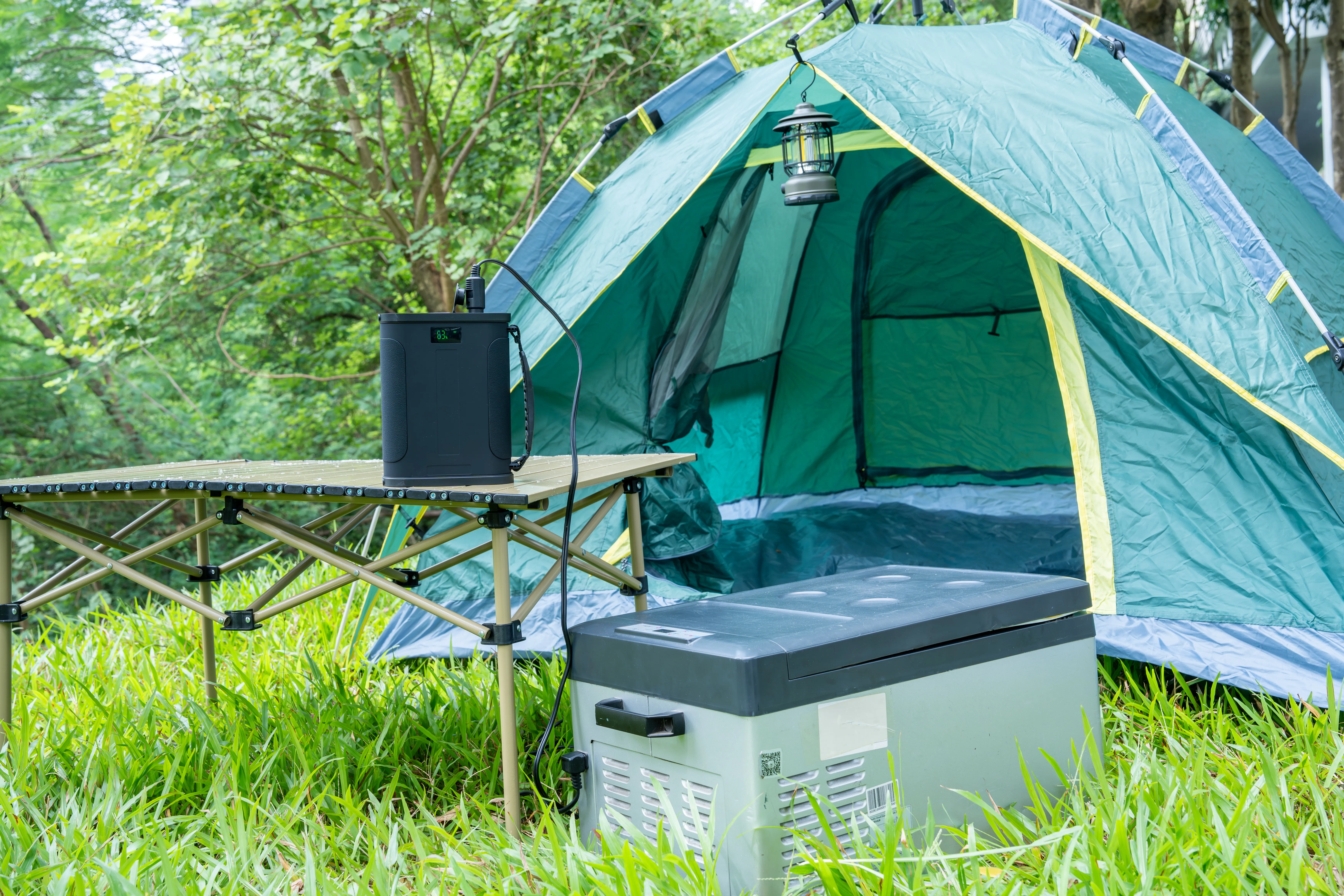
For campers who want consistency and convenience, portable electric fridges are becoming increasingly popular. Instead of relying on ice, they actively maintain a set temperature.
This means no melting ice, no water buildup, and far more predictable food storage. For longer trips, road travel, or overlanding, this option is often the most reliable.
Ice packs vs block ice
If you’re using a cooler, choosing the right type of ice matters. Block ice melts more slowly and lasts longer, while ice packs are reusable and less messy. A combination of both often works best.
Strategic placement—keeping ice on top and limiting air gaps—can also extend cooling time.
Powering Your Portable Fridge Off-Grid
Why power is the limiting factor
Portable fridges solve many cooling problems, but they introduce a new one: power. Without a reliable energy source, even the best fridge becomes useless.
This is where many campers run into trouble, especially on multi-day trips.
Using your car vs a dedicated power source
Some people try to power their fridge directly from their vehicle. While this can work temporarily, it comes with risks. Running a fridge off your car battery for extended periods can drain it, leaving you unable to start your vehicle.
It also limits flexibility. You need to stay close to your car, and power availability becomes inconsistent.
Portable power stations as a reliable solution
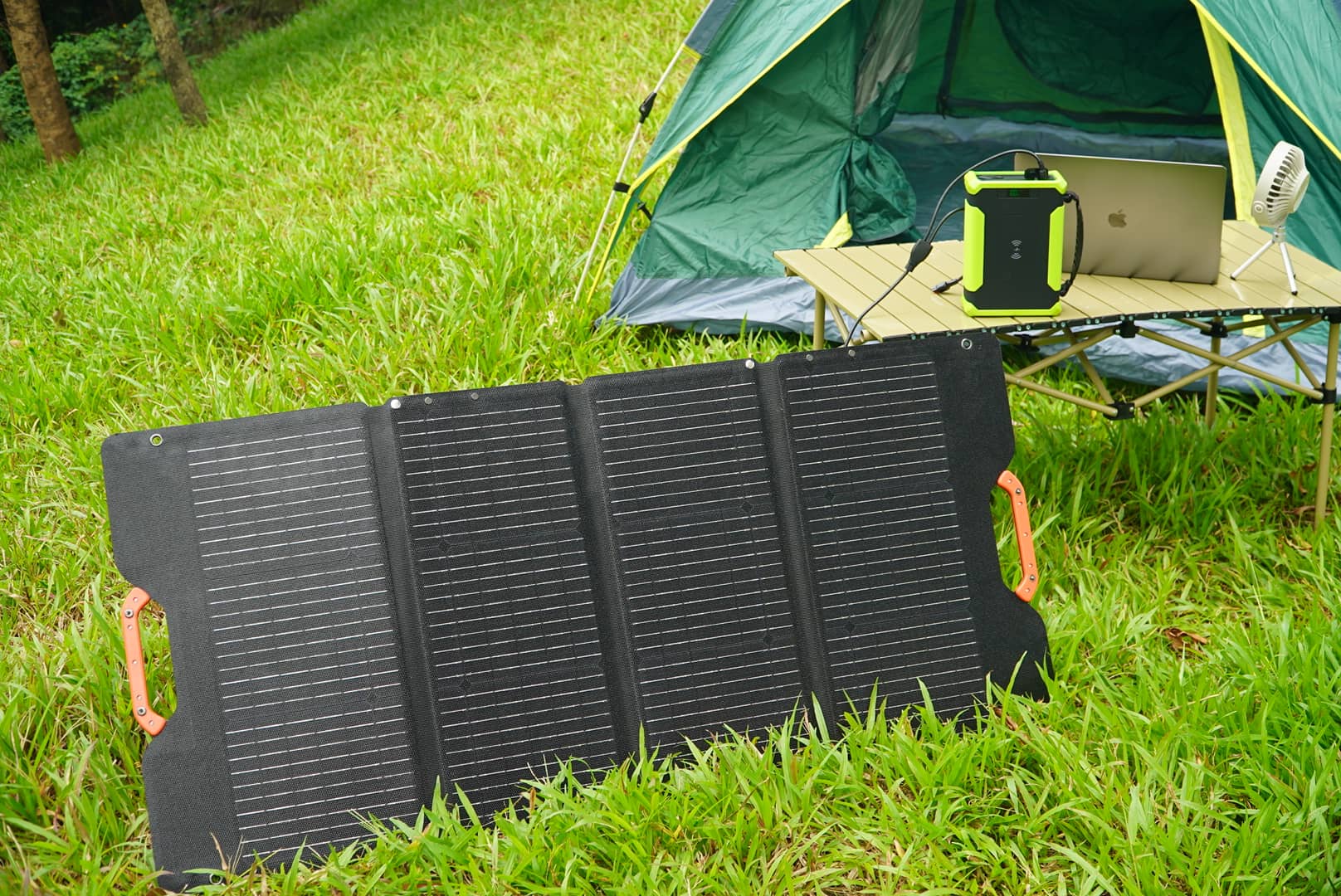
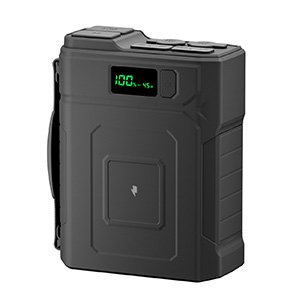
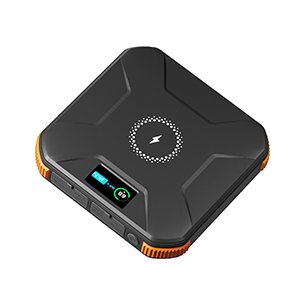
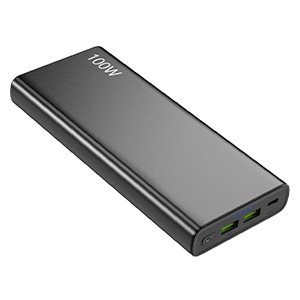
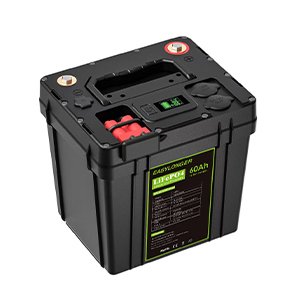
A portable power station offers a much more stable and flexible solution. It allows you to run your fridge independently, without relying on your vehicle or external power sources.
Unlike gas generators, it operates silently, requires no fuel, and is safe to use in typical outdoor environments. It also gives you the ability to power multiple devices at the same time, from lights to phones.
A practical solution for multi-day trips
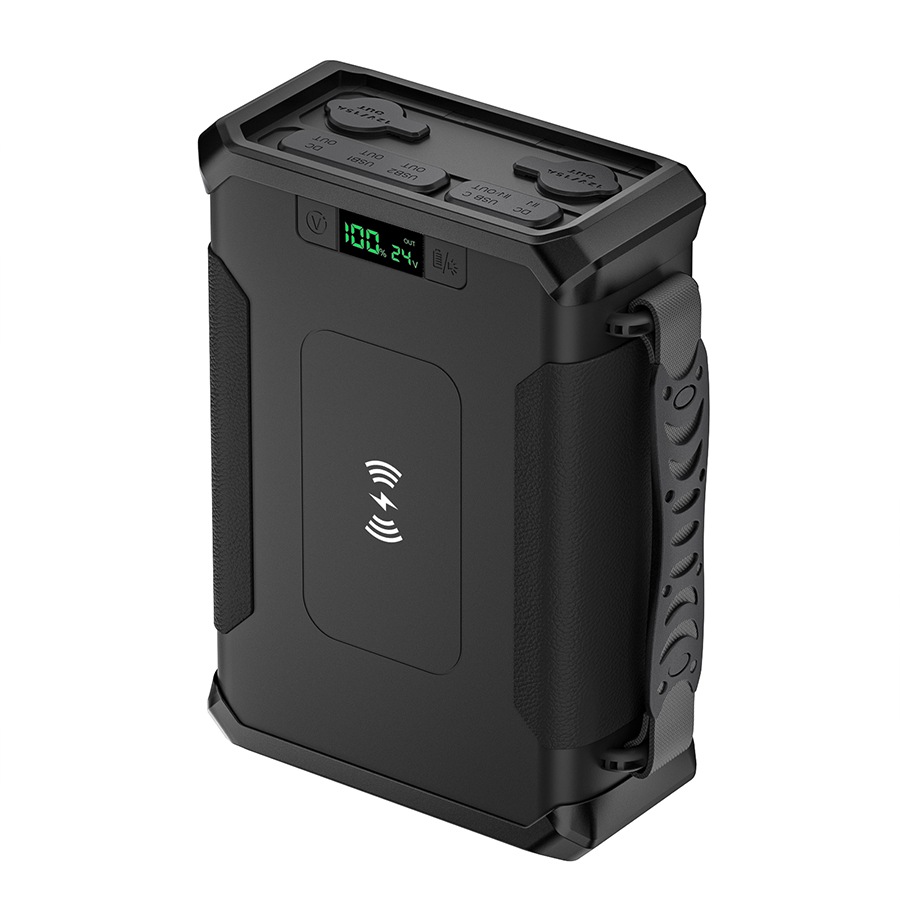
For campers planning longer trips, having a dependable power source is essential. This is where a solution like the GP50 becomes especially practical.
Instead of worrying about whether your fridge will stop running overnight, you can maintain consistent cooling while also keeping your phone, lights, and other essentials powered. It simplifies your setup and reduces the need to constantly manage power usage.
Rather than treating power as an afterthought, integrating it into your planning from the beginning makes your entire food storage system more reliable and easier to manage.
Prepping Food for Cold Storage
Pre-chill everything before the trip
One of the simplest and most effective strategies is to start cold. Pre-chill your food and drinks before packing them. Adding warm items to a cooler forces the ice or fridge to work harder and reduces overall efficiency.
Organize food by usage
Pack your cooler or fridge based on when you plan to use each item. Keep frequently used items easily accessible to minimize how long the lid stays open.
Less exposure to warm air means better temperature control.
Use airtight containers
Airtight containers prevent leaks, reduce contamination, and improve overall organization. They also help keep food dry if you’re using ice-based cooling.
Separate raw and cooked food
This is critical for food safety. Raw meat should always be stored separately from ready-to-eat items to avoid cross-contamination.
Using dedicated containers or sections within your cooler makes this much easier.
Plan meals strategically
Eat perishable items earlier in your trip and save more stable foods for later. This reduces risk and helps you make better use of your cooling resources.
Alternative Cooling Hacks
Freeze water bottles
Frozen water bottles serve two purposes: they act as ice packs and provide drinking water once they melt. This is a simple way to improve efficiency without adding extra weight.
Use natural shade and airflow
Always keep your cooler or fridge in a shaded area. Direct sunlight significantly increases internal temperature and reduces cooling efficiency.
Airflow can also help regulate surrounding temperature.
Insulate your cooler
Adding extra insulation—such as blankets or reflective covers—can help maintain lower temperatures inside your cooler, especially in hot environments.
Minimize opening frequency
Every time you open your cooler or fridge, warm air enters and reduces efficiency. Plan ahead and take out everything you need at once whenever possible.
Modern Portable Fridges Simplify Outdoor Food Storage
Consistent temperature control
Unlike traditional coolers, portable fridges maintain a stable temperature. This removes much of the uncertainty around food safety and quality.
You don’t need to guess how much ice is left or worry about sudden temperature changes.
Better for longer trips
For trips lasting more than a couple of days, a portable fridge becomes a much more practical solution. It allows you to store a wider range of foods and extend your trip without frequent resupply.
Less hassle, more convenience
No ice means no water buildup, no mess, and no need to constantly buy or refill ice. This simplifies your entire setup and saves time during your trip.
Ideal for road trips and overlanding
Portable fridges are especially useful for road trips, where you can combine mobility with consistent cooling. When paired with a reliable power source, they create a highly efficient system for long-distance travel.
Frequently Asked Questions
How long can food stay cold in a cooler?
With proper packing and minimal opening, a well-insulated cooler can keep food cold for 1–3 days. High-end coolers may last longer with the right ice setup.
What is the best way to pack a cooler?
Start with pre-chilled items, use block ice, minimize empty space, and organize food based on usage frequency.
Do I really need a portable fridge for camping?
Not always. For short trips, a cooler is usually sufficient. For longer trips or more consistent cooling, a portable fridge offers clear advantages.
Can I run a camping fridge all night?
Yes, as long as you have a reliable power source. This is why many campers use portable power stations to maintain continuous operation.
How do I keep meat safe while camping?
Keep it at a consistently low temperature, store it separately, and consume it early in your trip.
What temperature should a camping cooler stay at?
Ideally below 40°F (4°C) to ensure food safety.
Conclusion
Keeping food cold when camping doesn’t have to be complicated, but it does require the right approach. Whether you choose a traditional cooler, upgrade to a high-performance insulated model, or invest in a portable fridge, the key is planning ahead and understanding your needs.
For short trips, simple solutions may be enough. But for longer adventures, combining a portable fridge with a reliable power source can completely change your experience. It gives you better control, reduces waste, and allows you to enjoy fresh, safe meals wherever you go.
As outdoor travel continues to evolve, more campers are moving toward smarter, more efficient setups. And in that shift, consistent cooling and dependable power are becoming essential—not optional.