















Table of Contents
As global demand for portable power solutions continues to grow—driven by outdoor activities, travel, remote work, and emergency preparedness—the market for OEM power banks has expanded significantly. More brands, importers, and Amazon sellers are looking to launch private-label power banks.
But choosing the wrong OEM manufacturer can lead to serious problems: safety hazards, unreliable quality, failed certifications, logistics delays, or even customs seizures.
This guide will walk you through every step of choosing the right OEM power bank manufacturer, especially if you plan to source from China. Whether you’re starting a private-label product line or expanding your catalog, this article will help you avoid common pitfalls and choose a reliable, long-term supplier.
1. Why Choosing the Right OEM Manufacturer Matters
Power banks are not simple electronic products—they contain lithium batteries, making them dangerous goods (DG Category 9).
Choosing the wrong factory can result in:
Battery swelling
Overheating or fire risks
Product recalls
Certification failures (UN38.3, CE, FCC)
High return rates
Brand reputation damage
A high-quality OEM manufacturer ensures:
Safe, reliable battery cells
Complete certification support
Stable production and consistent QC
Proper DG shipping handling
Professional after-sales and warranty support
This is why selecting the right partner is one of the most important business decisions you will make.
2. Understanding OEM Power Banks (What OEM Really Means)
Before choosing a manufacturer, it’s essential to understand the difference between OEM, ODM, and OBM:
OEM (Original Equipment Manufacturer)
You provide requirements → They produce under your brand.
Common OEM options include:
Logo printing
Custom packaging
Custom housing color
Custom capacity
Custom output ports (USB-C, USB-A, DC, etc.)
Private label branding
ODM (Original Design Manufacturer)
The manufacturer already has a product → You customize lightly.
Best for fast time-to-market.
OBM (Own Brand Manufacturing)
Factory sells its own brand—usually not suitable for private label buyers.
Most customers looking to sell under their own brand need OEM.
This includes:
Amazon sellers
Outdoor brands
Corporate gift buyers
Importers/distributors
- Startup consumer electronics brands
3. Key Factors to Evaluate When Choosing an OEM Power Bank Manufacturer
Choosing a reliable OEM power bank supplier requires evaluating the factory from both technical and operational perspectives.
3.1 Battery Cell Quality (The Most Important Factor)
The battery cell determines safety, lifespan, and performance.
Common cell types:
Li-ion (18650 / 21700) – Good density, widely available
LiPo (polymer) – Thin and light, but more fragile
LiFePO₄ – Safest chemistry, long cycle life, best for outdoor gear
Low-quality cells often cause:
Swelling
Drastic capacity loss
Overheating
Fire hazards
Reputable OEM factories use cells from stable suppliers and can show full cell specifications, including MSDS.
If a supplier cannot tell you the cell brand, this is a red flag.
3.2 BMS Safety System (Battery Management System)
A good BMS protects the battery from:
Overcharge
Over-discharge
Overheat
Overcurrent
Short circuit
Low-temperature charging
A poor BMS is one of the main reasons budget power banks fail safety tests.
Ask your manufacturer:
Do you design your BMS or outsource it?
How many protection layers does it include?
Can I see internal PCB photos?
You should see evidence of real engineering—not generic parts.
3.3 Required Certifications for Safe Export
Power banks must pass strict international testing before export.
Mandatory Certifications
UN38.3 – Required for all air shipments
MSDS – Safety documentation
Drop test report – DG packing requirement
Regional Certifications
CE (Europe)
FCC (USA)
RoHS (Environmental compliance)
PSE (Japan)
KC (Korea)
A reliable OEM factory can provide:
Complete certification files
Serial number traceability
Lab test reports (third-party labs preferred)
If a supplier cannot provide these, the shipment may be blocked by customs.
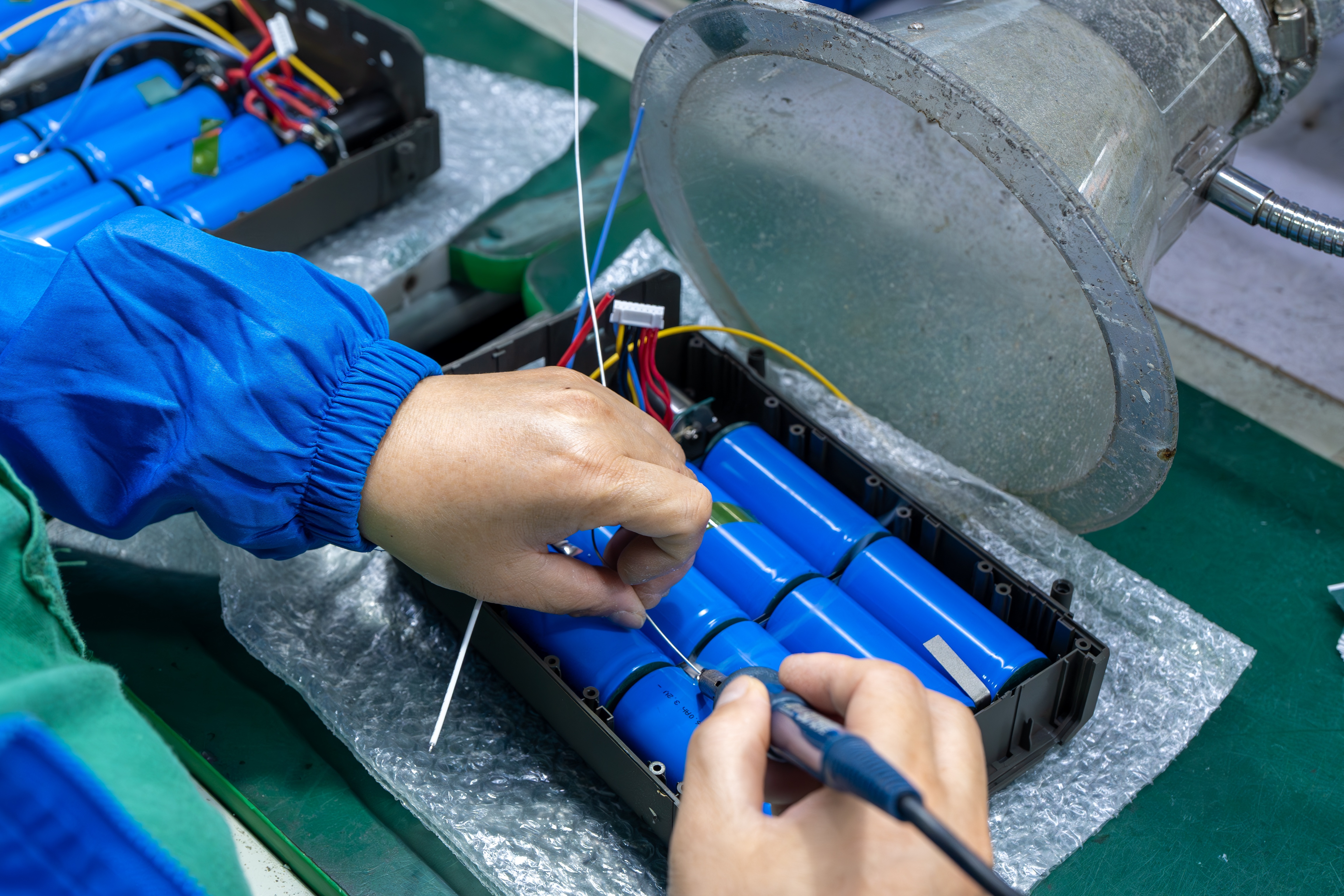
3.4 Factory Production Capabilities
Visit their factory or request a video walkthrough to confirm:
Look for:
SMT production lines
Battery capacity testing machines
Aging test cabinets
Automated welding machines
Dust-free assembly environment
R&D department for PCB and firmware
A serious OEM manufacturer always has strong in-house QC, not outsourced assembly lines.
3.5 Testing & Quality Control Process
High-quality manufacturers conduct rigorous QC, including:
100% aging test before packing
Battery capacity accuracy test
Load test for all ports
Drop test
Short-circuit test
Waterproof testing (IP63–IP65 for outdoor models)
Visual inspection
Ask your manufacturer for a copy of their QC checklist.
3.6 Supply Chain Stability
Power bank production is heavily dependent on:
Battery cell suppliers
PCB chipset suppliers
Case injection molding
Cable and connector suppliers
A reliable factory always has:
Long-term suppliers
Forecast-based material planning
Safety stock
This prevents delays and ensures consistent quality.
4. Important Questions to Ask Your OEM Manufacturer Before Ordering
Here are the essential questions professional buyers should always ask:
Can you provide full UN38.3 & MSDS reports?
What battery cell brand do you use?
Do you offer LiFePO₄ options?
Can I customize output ports (USB-C, DC, solar input)?
What protection circuits does your BMS include?
What is your warranty policy?
Can you handle DG shipping?
Do you support custom cables (CPAP, laptops, 24V devices)?
Can you provide sample testing videos?
What is your lead time for samples and mass production?
A trustworthy manufacturer will answer everything clearly.
5. Red Flags: How to Identify Low-Quality OEM Power Bank Suppliers
Be cautious of manufacturers that:
Offer unrealistically low prices
Cannot specify battery cell brand
Refuse to provide UN38.3 certification
Provide fake certificates
Show inconsistent communication
Have no export experience with DG goods
Avoid showing factory images or videos
Provide no internal testing documentation
These usually lead to dangerous or illegal products.
6. Logistics: Why Power Banks Require Professional DG (Dangerous Goods) Handling
Power banks contain lithium batteries → they are classified as UN3480 / UN3481 Dangerous Goods.
This leads to:
Stricter air freight rules
Additional DG declaration
Higher logistics costs
Mandatory packaging tests
Additional customs requirements
A reliable OEM manufacturer should support you with:
UN38.3
MSDS
DG Packing Report
Shipper’s Declaration
PI965 / PI966 compliance
Important:
Many new buyers think the shipping cost is too high and believe the factory inflated the cost.
In reality, dangerous goods shipping is expensive everywhere, not controlled by the factory.
A good OEM manufacturer will help you reduce DG risk and ensure safe, compliant export.
7. The OEM Process: Step-by-Step Workflow
Step 1 — Define Requirements
Capacity (Wh / mAh)
Output ports (USB-C, DC, cigarette lighter)
Voltage options (12V / 24V)
Battery type (Li-ion / LiFePO₄)
Waterproof level
Branding style
Step 2 — Sample Development
Prototype
Lab testing
Compatibility test (CPAP, laptops, outdoor devices)
Step 3 — Certification & Quality Verification
UN38.3 testing
BMS protection test
Capacity & load test
Step 4 — Mass Production
Component sourcing
Production
Full QC
Step 5 — Packaging & Labeling
Custom boxes
Stickers & documentation
Gift sets
Step 6 — Shipment
DG declaration
Export customs
- Shipping (air/sea/train/express)
8. Case Study (Optional)
If you want, I can write a Merpower case study here.
Let me know!
9. Why Choose Merpower as Your OEM Power Bank Partner
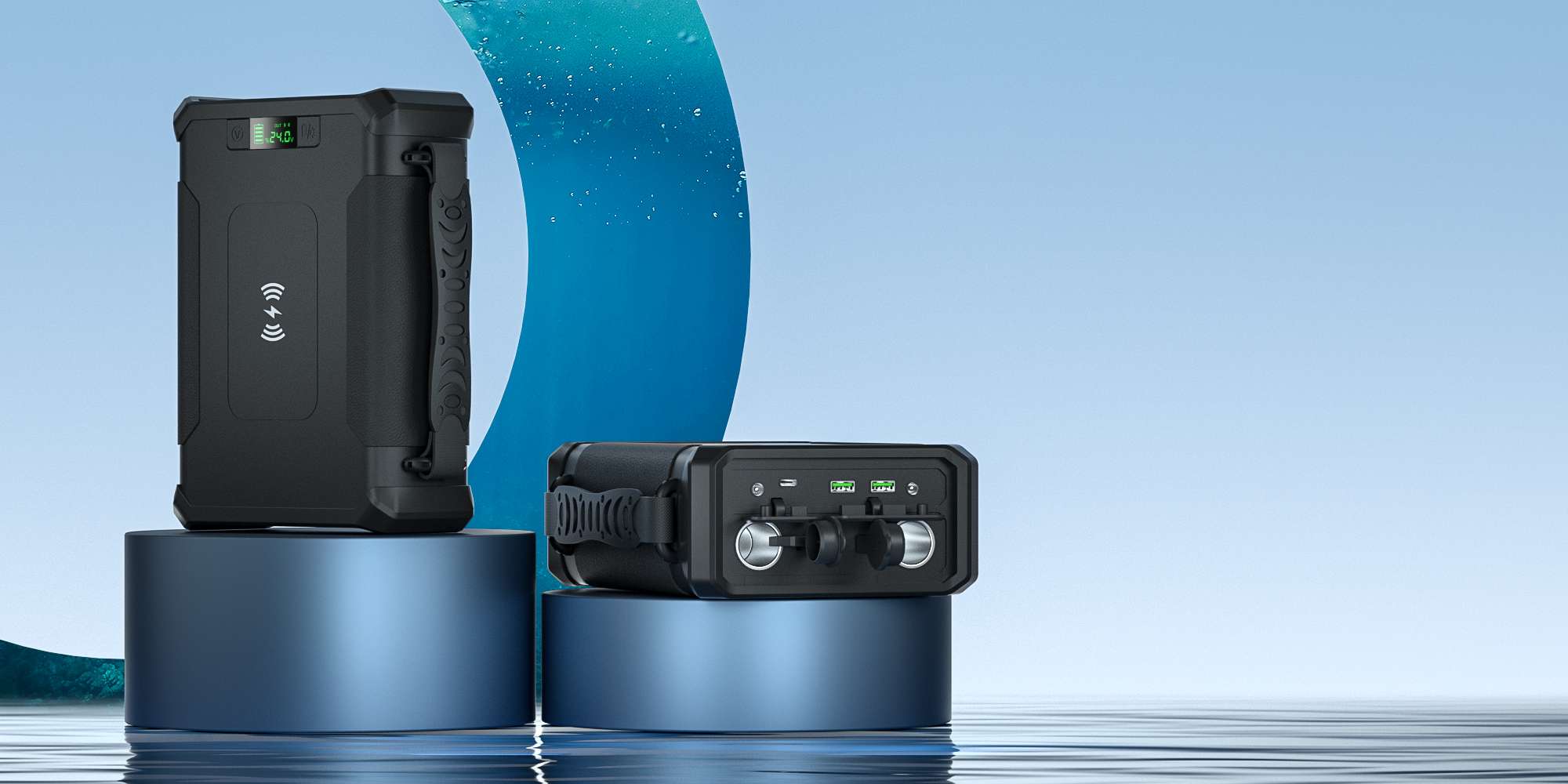
Merpower is a leading manufacturer of outdoor LiFePO₄ DC power banks, specializing in high-reliability power solutions for camping, fishing, travel, and emergency applications.
9.1 10+ Years of Manufacturing Experience
We have years of experience producing high-quality power solutions for international markets.
9.2 LiFePO₄ Specialist
Our power banks use premium-grade LiFePO₄ cells with:
3000+ cycle lifespan
High thermal stability
Superior safety
9.3 Complete Certification Support
Every product passes:
UN38.3
MSDS
CE
FCC
RoHS
9.4 Custom DC Output Solutions (12V/24V)
We specialize in DC-powered devices such as:
CPAP machines
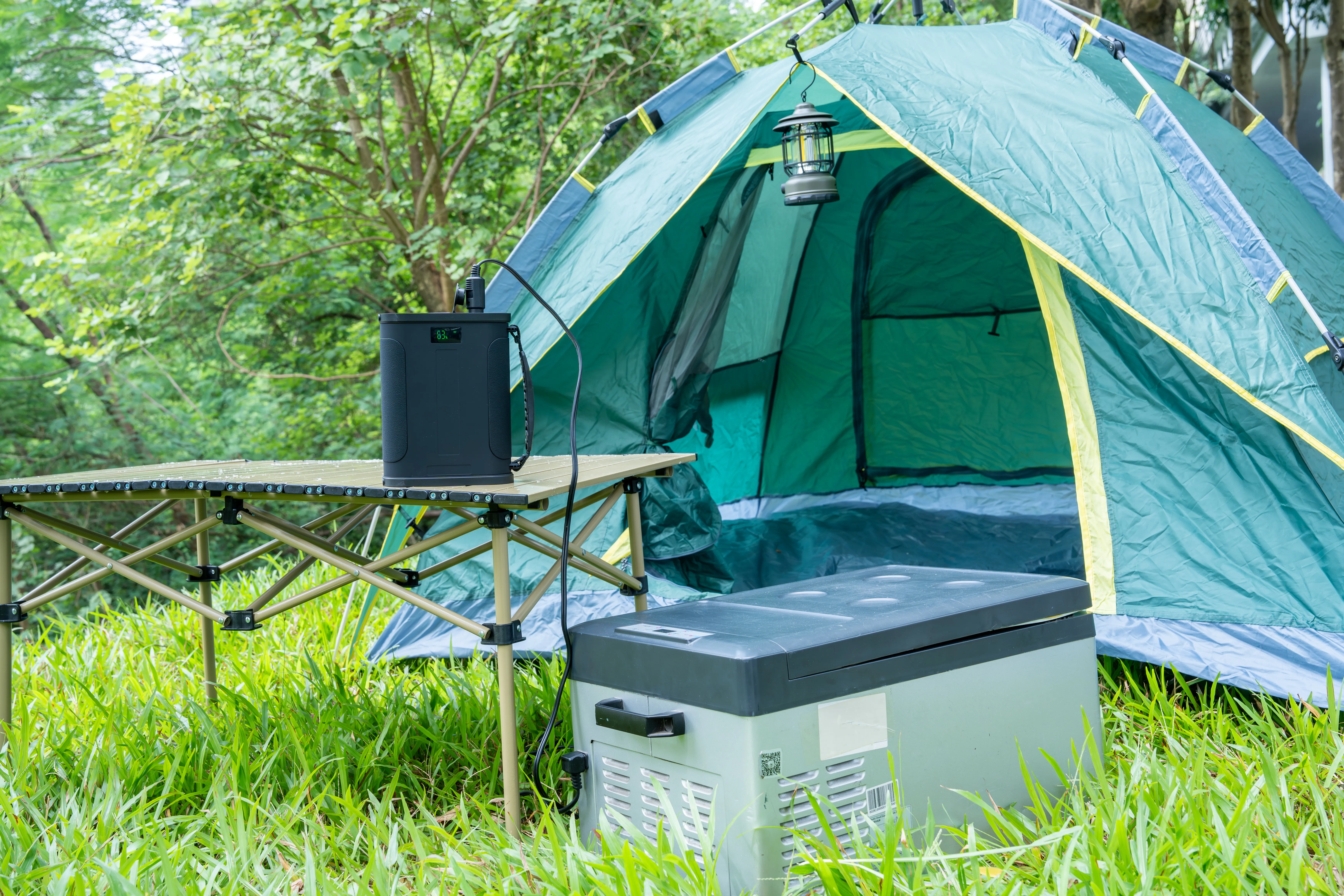
Portable coolers
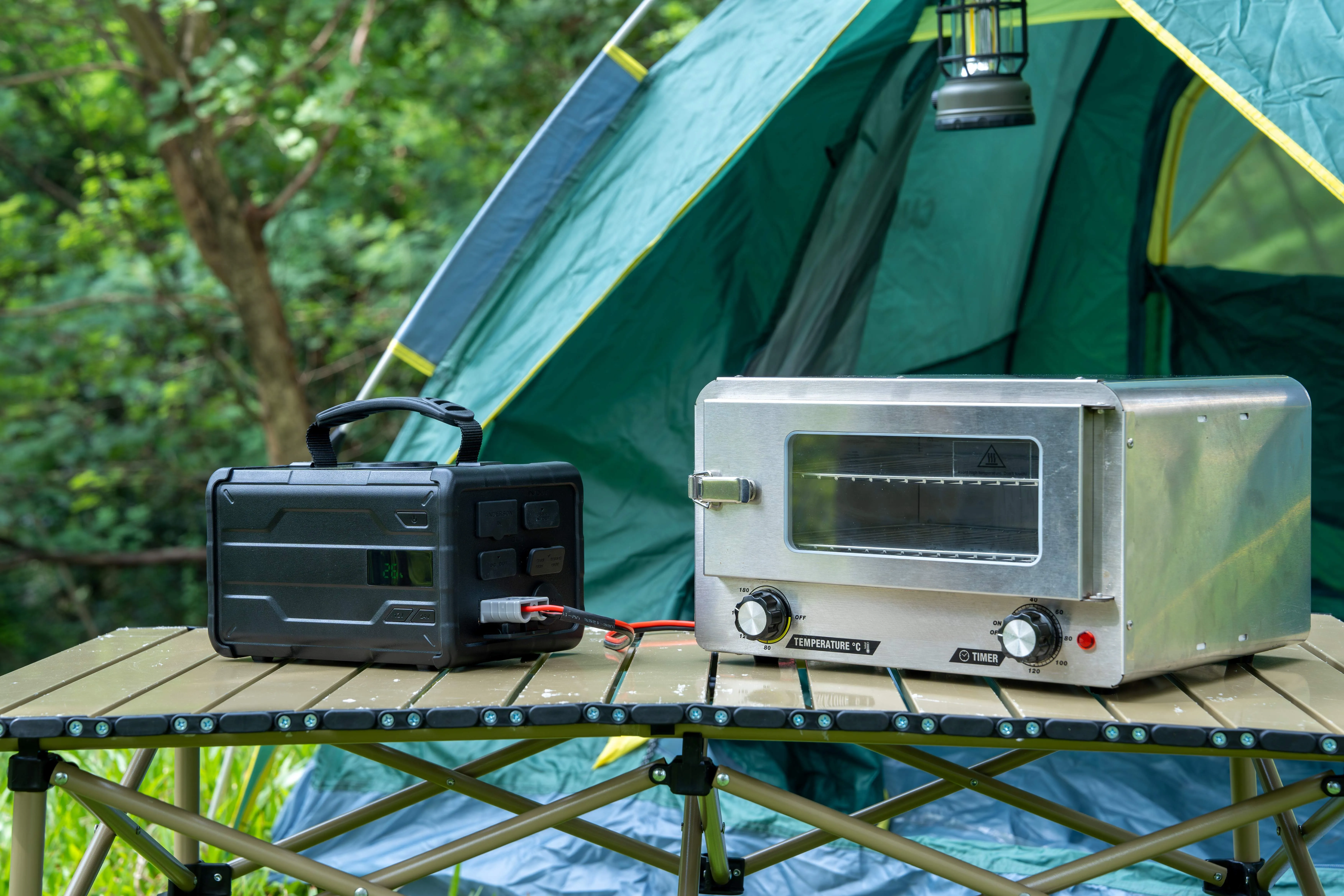
12V cooking devices
Outdoor equipment
Professional-grade electronics
We can also provide custom 24V CPAP cables.
9.5 Long-Term Cell Suppliers
All battery cells come from trusted, stable suppliers with verified documents.
9.6 Strong Export & DG Handling Team
We fully understand DG shipping and work with stable forwarders to ensure:
No lost packages
No damage
Safe handling
Smooth customs clearance
9.7 OEM/ODM Capability
We support:
Custom color
Custom ports
Custom PCB firmware
Custom packaging
Private label branding
A true full-service manufacturer.
10. Conclusion
Choosing the right OEM power bank manufacturer is crucial for your business success. A reliable supplier ensures:
Safe, high-quality battery performance
Complete compliance with global certifications
Stable production and supply chain support
Smooth export and DG logistics
Long-term partnership value
Merpower combines advanced engineering, LiFePO₄ safety, strong OEM capabilities, and professional DG shipping expertise—making us the ideal partner for brands looking to launch high-quality portable power products.
Whether you’re building a private-label outdoor brand, expanding your Amazon catalog, or developing a new professional device, Merpower provides the engineering strength and OEM flexibility to help your product succeed.