

















Table of Contents
How Do You Recharge a Power Bank? A Complete Guide (Wall, Car, USB & Solar Charging)
Power banks have become essential devices for modern life. Whether you are traveling, working remotely, camping, or preparing for emergencies, a reliable power bank ensures that your electronics stay powered when you need them most.
However, many users still ask a basic but important question:
How do you recharge a power bank?
The good news is that recharging a power bank is simple, and most modern power banks support multiple charging methods. Depending on the model, you can recharge it using a wall charger, laptop USB port, car charger, or even solar panels when you are off-grid.
This complete guide will explain how to recharge a power bank step by step, how long it takes, and how outdoor power banks can even be recharged using solar energy.
Quick Answer: How Do You Recharge a Power Bank?
To recharge a power bank, follow these simple steps:
Connect the charging cable to the input port of the power bank.
Plug the other end of the cable into a power source such as a wall adapter, laptop, or car charger.
Wait until the LED indicator or display shows the battery is full.
Most modern power banks support USB-C fast charging, which significantly reduces charging time. Some advanced outdoor models also support DC input and solar charging, making them ideal for camping or off-grid environments.
Understanding Power Bank Charging Ports
Before charging a power bank, it is helpful to understand the different types of input ports commonly found on modern devices.
Micro-USB Input
Older power banks typically used Micro-USB ports for charging. While still common in some models, Micro-USB charging is relatively slow compared to newer technologies.
USB-C Input (Fast Charging)
USB-C has become the most popular charging interface for modern power banks. It supports Power Delivery (PD) fast charging and higher power input levels.
Benefits of USB-C charging include:
Faster recharge times
Reversible connector design
Higher power capability
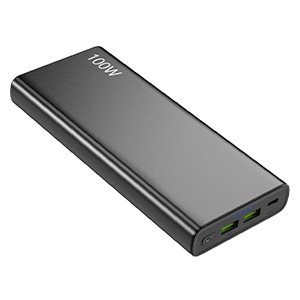
Many high-capacity power banks now support 60W to 100W USB-C input.
DC Input
Larger portable power banks designed for outdoor use often include a DC input port.
DC input ports allow:
Faster charging with higher voltage adapters
Connection to solar panels
Car charging compatibility
Outdoor power banks that support DC input are particularly useful for camping, fishing, RV travel, and emergency power situations.
4 Ways to Recharge a Power Bank
There are several ways to recharge a power bank depending on where you are and what equipment you have available.
1. Recharge a Power Bank with a Wall Charger
The most common method is using a wall charger.
Steps:
Plug the charging cable into the power bank input port.
Connect the cable to a wall adapter.
Plug the adapter into a wall outlet.
Advantages:
Fastest charging method
Stable power supply
Suitable for daily use
For best performance, it is recommended to use a high-quality fast charging adapter that matches the power bank’s supported input wattage.
2. Recharge a Power Bank Using a Laptop or Computer
If a wall charger is not available, you can also recharge a power bank using a laptop or desktop USB port.
Steps:
Connect the power bank to the computer using a USB cable.
Ensure the computer is powered on.
Wait for the power bank to recharge.
Advantages:
Convenient during work or travel
No wall adapter required
Disadvantages:
Charging speed is usually slower
USB ports typically provide limited power
3. Recharge a Power Bank in a Car
For travelers and road trips, car charging is another convenient method.
Many power banks can be recharged using a 12V car charger adapter.
Steps:
Plug a car charger into the vehicle’s 12V cigarette lighter socket.
Connect the power bank using a USB or DC cable.
Charge while driving.
This method is ideal for:
road trips
van life
RV travel
long-distance driving
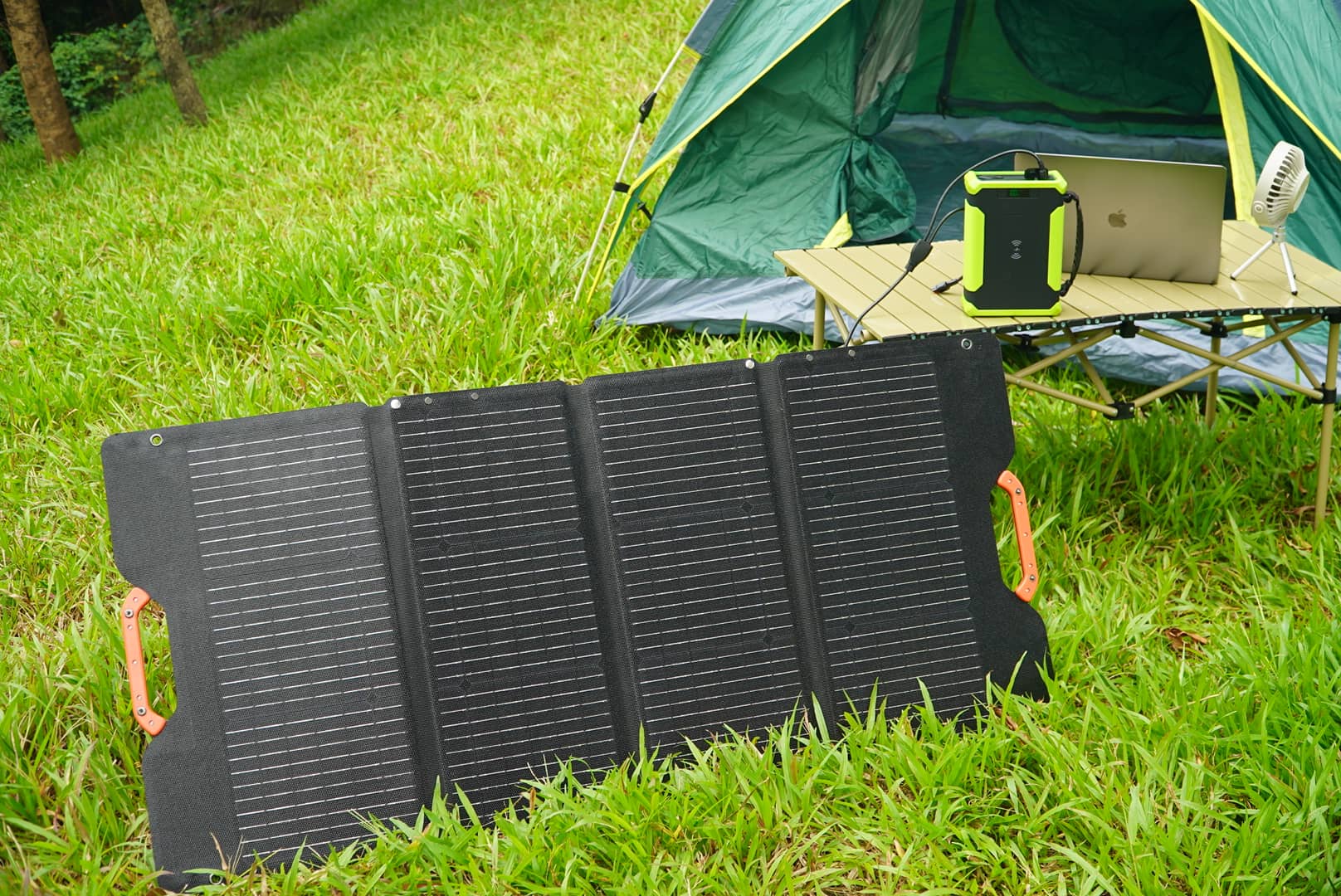
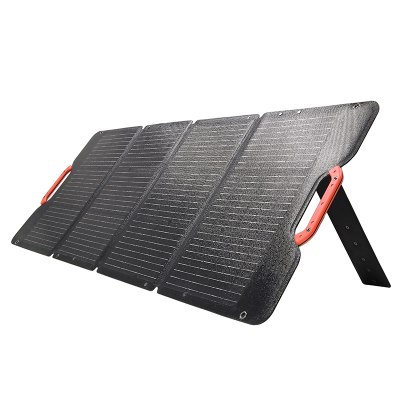
4. Recharge a Power Bank with Solar Panels (Off-Grid Charging)
For outdoor enthusiasts and emergency preparedness, solar charging is one of the most valuable features a power bank can offer.
Instead of relying on electricity from the grid, solar panels can convert sunlight into power to recharge your battery pack.
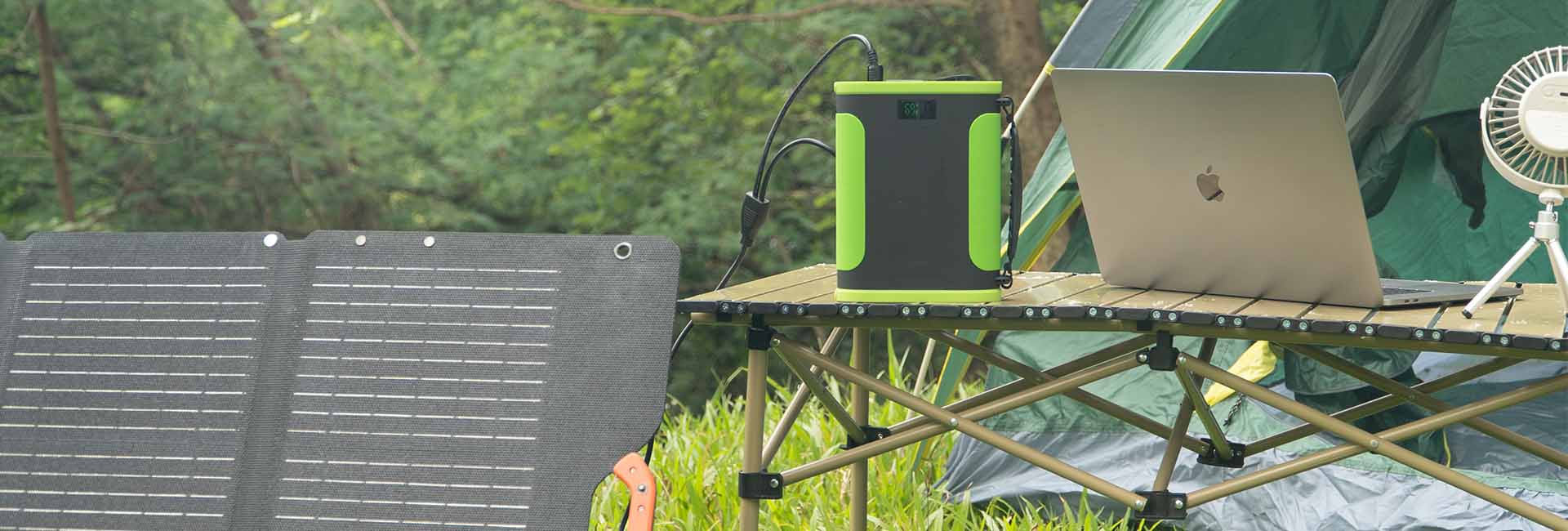
Typical setup:
Solar panel → DC input → Power bank battery
Solar charging is especially useful for:
camping
hiking
fishing trips
off-grid cabins
disaster preparedness
Some outdoor power banks support MPPT solar charging, which improves solar energy conversion efficiency and reduces charging time.
Solar Charging: The Best Way to Recharge Power Banks Off-Grid
In remote environments where electricity is unavailable, solar charging provides a sustainable power solution.
Benefits of solar charging include:
renewable energy source
unlimited energy during sunny conditions
independence from electrical infrastructure
ideal for outdoor adventures
Outdoor power banks designed for solar charging often include DC input ports compatible with portable solar panels.
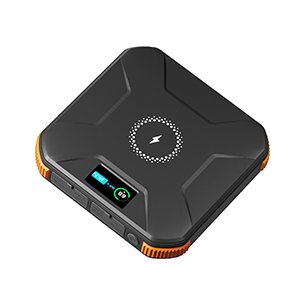
For example, the Merpower GP series outdoor power banks support multiple recharging methods including USB-C fast charging and DC solar charging.
Models such as Merpower GP16, GP20, and GP50 allow users to recharge the battery pack during camping or outdoor travel using portable solar panels.
This flexibility makes them particularly useful for long camping trips or emergency power backup.
How Long Does It Take to Recharge a Power Bank?
Charging time depends on several factors:
battery capacity
charger power
charging technology
cable quality
The table below shows approximate charging times for different power bank capacities.
| Power Bank Capacity | Charger Power | Estimated Charging Time |
|---|---|---|
| 100Wh | 30W charger | 4–5 hours |
| 150Wh | 60W charger | 3–4 hours |
| 300Wh | 80W charger | 4–6 hours |
Fast charging technologies such as USB-C Power Delivery can significantly reduce charging time.
Solar charging times depend on sunlight intensity and panel wattage.
Example: Running Time Calculations for Devices
High-capacity power banks are often used to power outdoor equipment. Below are some simple runtime examples.
Powering a Portable Fridge
Typical portable fridge consumption: 45W
Example using a 307Wh battery pack.
Runtime calculation:
307Wh ÷ 45W ≈ 6.8 hours
This means a fully charged battery pack could run a portable fridge for approximately 6 to 7 hours.
Running a CPAP Machine
Average CPAP power consumption: 40W
Runtime calculation:
307Wh ÷ 40W ≈ 7.6 hours
This is enough to support a full night’s sleep during camping or travel.
Powering LED Lighting
Typical camping LED light consumption: 10W
Runtime calculation:
307Wh ÷ 10W ≈ 30 hours
This makes portable power banks ideal for outdoor lighting and emergency backup.
LED Indicators: How to Know When Your Power Bank Is Fully Charged
Most power banks include LED indicators or digital displays to show charging status.
Common indicators include:
Blinking lights – charging in progress
Solid lights – battery fully charged
Battery percentage display – precise capacity reading
Always unplug the charger once the battery is fully charged to maintain long battery life.
Common Power Bank Charging Problems
Sometimes users encounter issues when recharging a power bank.
Power Bank Not Charging
Possible causes include:
damaged charging cable
incompatible charger
dirty input port
Try using a different cable or charger.
Charging Is Too Slow
Slow charging may occur if:
low power adapter is used
USB port output is limited
cable quality is poor
Using a higher wattage charger can improve charging speed.
Overheating During Charging
Charging in hot environments can cause overheating.
Always charge power banks in cool, ventilated locations.
Tips to Recharge Your Power Bank Faster
To improve charging efficiency, consider the following tips:
Use a USB-C fast charger whenever possible.
Avoid charging through low-power devices like older laptops.
Use high-quality charging cables that support fast charging.
Charge the power bank before it reaches 0% battery level.
Avoid extreme temperatures while charging.
Power Banks That Support Multiple Charging Methods
Modern outdoor power banks are designed to support multiple charging options.
Examples include power banks that allow charging through:
USB-C fast charging
DC adapters
car chargers
solar panels
The Merpower GP series is designed for outdoor users who need flexible charging solutions.
Popular models include:
Merpower GP16 – compact portable power bank ideal for travel and lightweight camping.
Merpower GP20 – medium-capacity battery pack with 12V output and multiple device support.
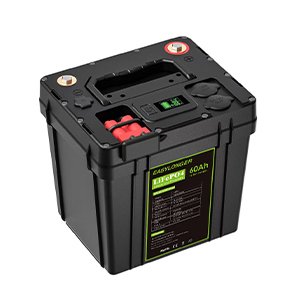
Merpower GP50 – high-capacity outdoor power bank designed for powering devices such as portable fridges, lighting systems, and laptops.
These power banks support multiple output options including USB-C, USB-A, and DC outputs, making them suitable for a wide range of devices.
Frequently Asked Questions
Can you recharge a power bank while using it?
Some power banks support pass-through charging, allowing devices to be powered while the power bank is charging. However, this feature depends on the specific model.
Can a power bank be charged with solar panels?
Yes. Power banks with DC input ports can often be charged using portable solar panels, making them ideal for off-grid use.
How often should you recharge a power bank?
It is recommended to recharge power banks every few months, even when not in use, to maintain battery health.
Conclusion
Recharging a power bank is simple, but understanding the different charging methods can help you get the most out of your device.
You can recharge a power bank using:
wall chargers
laptops or USB ports
car adapters
solar panels
For everyday use, wall charging is the fastest method. For travel and road trips, car charging is extremely convenient. For outdoor adventures or emergency situations, solar charging offers the most flexibility.
High-capacity outdoor power banks such as the Merpower GP series provide multiple charging options, allowing users to stay powered whether they are at home, on the road, or completely off the grid.
With the right charging method and a reliable power bank, you can ensure that your devices remain powered wherever your journey takes you.