
















Table of Contents
Introduction
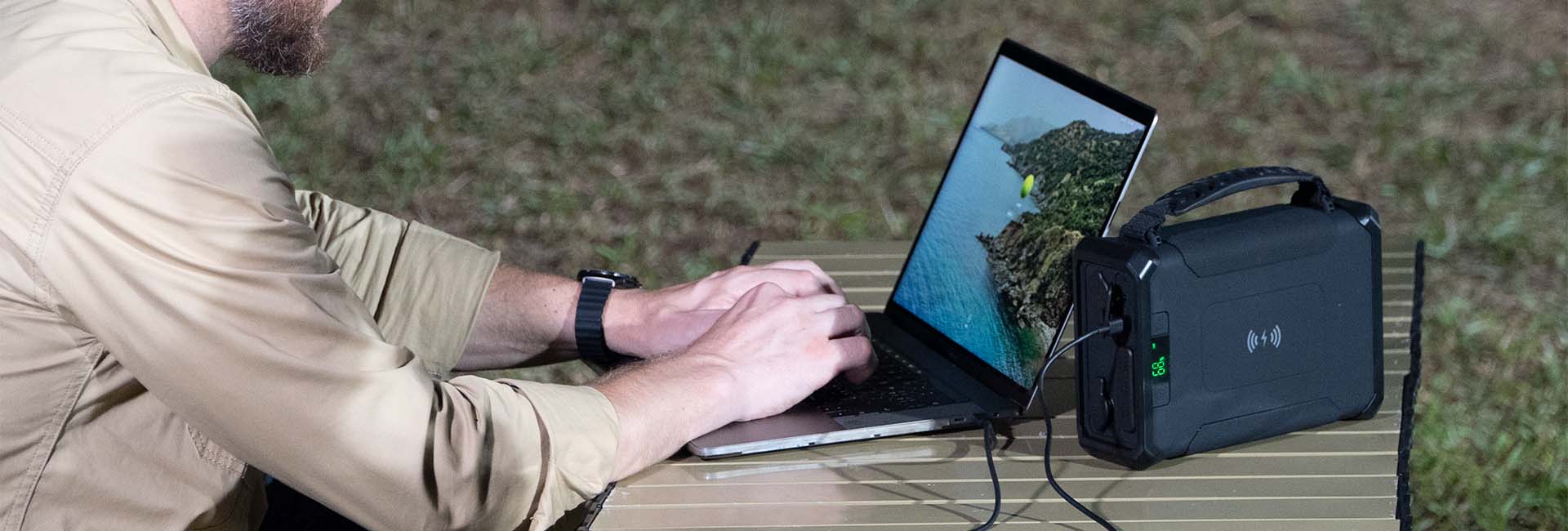
The rise of remote work has created a new generation of professionals known as digital nomads—people who work online while traveling the world. Instead of being tied to an office, digital nomads operate from coffee shops, airports, co-working spaces, hotel rooms, and sometimes even beaches or mountains.
However, working on the move comes with a common challenge: reliable access to power.
Modern remote work depends heavily on electronic devices such as laptops, smartphones, tablets, cameras, and portable WiFi routers. When these devices run out of battery, productivity stops immediately. Finding a power outlet is not always easy, especially when traveling between cities, working outdoors, or staying in places with limited infrastructure.
This is why portable power banks have become an essential tool for digital nomads. A high-quality power bank allows you to keep your devices charged wherever you work, ensuring you stay connected, productive, and ready for the next task.
In this guide, we will explore why power banks are essential for digital nomads, the key features to look for, travel considerations, and how to choose the right portable power solution for your work style.
Why Power Banks Are Essential for Digital Nomads
The Reality of Working Without Reliable Power
Digital nomads often work in environments where electricity access is unpredictable. While cities usually have plenty of charging outlets, travel situations can quickly change the picture.
Common scenarios include:
Long flights or airport layovers
Working in busy cafés with limited outlets
Traveling on trains or buses without power sockets
Outdoor work environments
Remote destinations with unstable electricity supply
In these situations, a portable power bank acts as your personal backup energy source, allowing you to keep working without interruption.
Devices Digital Nomads Depend On
Remote workers typically carry multiple electronic devices, each requiring regular charging.
Common devices include:
Laptop for work and meetings
Smartphone for communication
Tablet for reading or presentations
Camera for content creation
Portable WiFi hotspot
Wireless earbuds and accessories
Without a reliable power solution, these devices can quickly run out of battery during a long workday.
The Risk of Running Out of Power
Running out of battery power can create serious problems for digital professionals.
For example:
Missing an important video meeting
Losing connection while uploading files
Being unable to contact clients
Losing navigation or travel information
Interrupting work during deadlines
A reliable power bank prevents these problems by providing portable energy whenever you need it.
Why Portable Power Banks Solve This Problem
Power banks are essentially compact battery systems designed to store energy and deliver it to your devices.
They provide several advantages for digital nomads:
Portable energy storage
Backup power during travel
Multiple device charging
Independence from wall outlets
Reliable power in emergency situations
For anyone who works remotely, a power bank quickly becomes one of the most valuable items in their travel bag.
Key Features That Make a Power Bank Ideal for Remote Work
Not all power banks are suitable for professional use. Digital nomads need models that can support multiple devices and handle demanding workloads.
Here are the most important features to consider.
High Battery Capacity
Battery capacity determines how much energy a power bank can store.
For remote work, the recommended capacity typically ranges from 100Wh to 200Wh, depending on your devices.
Higher capacity means:
More device charging cycles
Longer laptop runtime
Fewer recharges during travel
For example:
Smartphone battery: about 15Wh
Tablet battery: about 30Wh
Laptop battery: about 50–80Wh
A power bank with larger capacity can charge these devices multiple times before needing to recharge.
Fast Charging Capability
Fast charging is essential for modern devices.
Look for power banks that support USB-C Power Delivery (PD), which allows high-speed charging for:
Laptops
Tablets
Smartphones
Cameras
Fast charging can significantly reduce downtime and keep your devices ready for work.
Multiple Output Ports
Digital nomads often need to charge several devices simultaneously.
A good power bank should include multiple ports such as:
USB-A outputs
USB-C outputs
DC outputs
This allows you to charge a laptop, smartphone, and accessories at the same time.
Lightweight and Travel-Friendly Design
While high capacity is important, portability also matters.
The best power banks for travelers are designed to be:
Compact
Lightweight
Easy to carry in a backpack
A well-designed power bank balances capacity with portability, making it suitable for everyday travel.
Reliable Battery Technology
The internal battery technology plays a major role in safety and lifespan.
High-quality lithium batteries provide:
Stable performance
Long cycle life
Efficient energy storage
Many modern power banks include advanced battery management systems (BMS) to ensure safe operation.
Staying Productive Across Borders: Travel Rules and Global Charging Needs
Digital nomads often travel between countries, which introduces additional power considerations.
Understanding travel regulations and charging compatibility is important.
Airline Regulations for Power Banks
Airlines have strict safety rules regarding lithium batteries.
In general:
Power banks under 100Wh are allowed in carry-on luggage.
Batteries between 100Wh and 160Wh may require airline approval.
Power banks above 160Wh are typically prohibited on flights.
Always check the specific airline regulations before traveling.
Different Electrical Standards Around the World
Different regions use different electrical standards and plug types.
Examples include:
Type A/B plugs in North America
Type C/F plugs in Europe
Type G plugs in the UK
Type I plugs in Australia
A portable power bank helps reduce reliance on wall sockets and international adapters.
Why Universal Charging Options Matter
Power banks with flexible charging options are more useful for international travelers.
Useful features include:
USB-C input charging
DC charging ports
Car charging support
Portable solar compatibility
These options allow you to recharge your power bank in multiple ways, regardless of location.
How to Choose the Right Size Power Bank for Your Work Style
The ideal power bank depends on your work habits and the devices you use daily.
Compact Power Banks for Light Travelers
If you mainly use lightweight devices such as smartphones or tablets, a compact power bank may be sufficient.
These models are ideal for:
Casual travelers
Short work sessions
Minimalist setups
They are lightweight and easy to carry.
Mid-Capacity Power Banks for Remote Workers
For freelancers and remote professionals who regularly use laptops, a mid-capacity power bank is often the best choice.
These models can:
Charge laptops
Power multiple devices
Support several hours of work
They offer a good balance between portability and energy capacity.
High-Capacity Power Banks for Full Workdays
Professionals who rely heavily on electronics may require larger battery packs.
High-capacity power banks can support:
Laptop charging
Camera gear
Portable WiFi routers
Multiple smartphones
These models are suitable for full workdays or extended travel.
Example Runtime Calculation
Understanding power consumption helps estimate how long a power bank can power your devices.
Example:
Laptop power consumption: 60W
Power bank capacity: 150Wh
Estimated runtime:
150Wh ÷ 60W ≈ 2.5 hours
Actual runtime may vary depending on charging efficiency and device usage.
Smart Charging Features That Boost Productivity on the Go
Advanced power bank features can significantly improve the remote work experience.
USB-C Power Delivery
USB-C Power Delivery has become the standard for modern electronics.
Benefits include:
Fast laptop charging
Universal compatibility
Efficient power delivery
Many modern laptops and tablets now rely on USB-C charging.
Pass-Through Charging
Pass-through charging allows a power bank to charge devices while being recharged itself.
This feature is useful in environments where wall outlets are limited.
For example, you can charge your power bank from a wall outlet while simultaneously powering your laptop.
Multiple Device Charging
High-quality power banks support charging multiple devices at once.
This is particularly useful for digital nomads who carry several gadgets.
You can charge:
Laptop
Smartphone
Camera
Wireless earbuds
All from a single portable power source.
Battery Management System (BMS)
Safety is an important consideration for lithium batteries.
Most advanced power banks include a Battery Management System (BMS) that provides:
Overcharge protection
Overcurrent protection
Short-circuit protection
Temperature control
These systems ensure safe and stable operation during travel.
Frequently Asked Questions
Can a power bank charge a laptop?
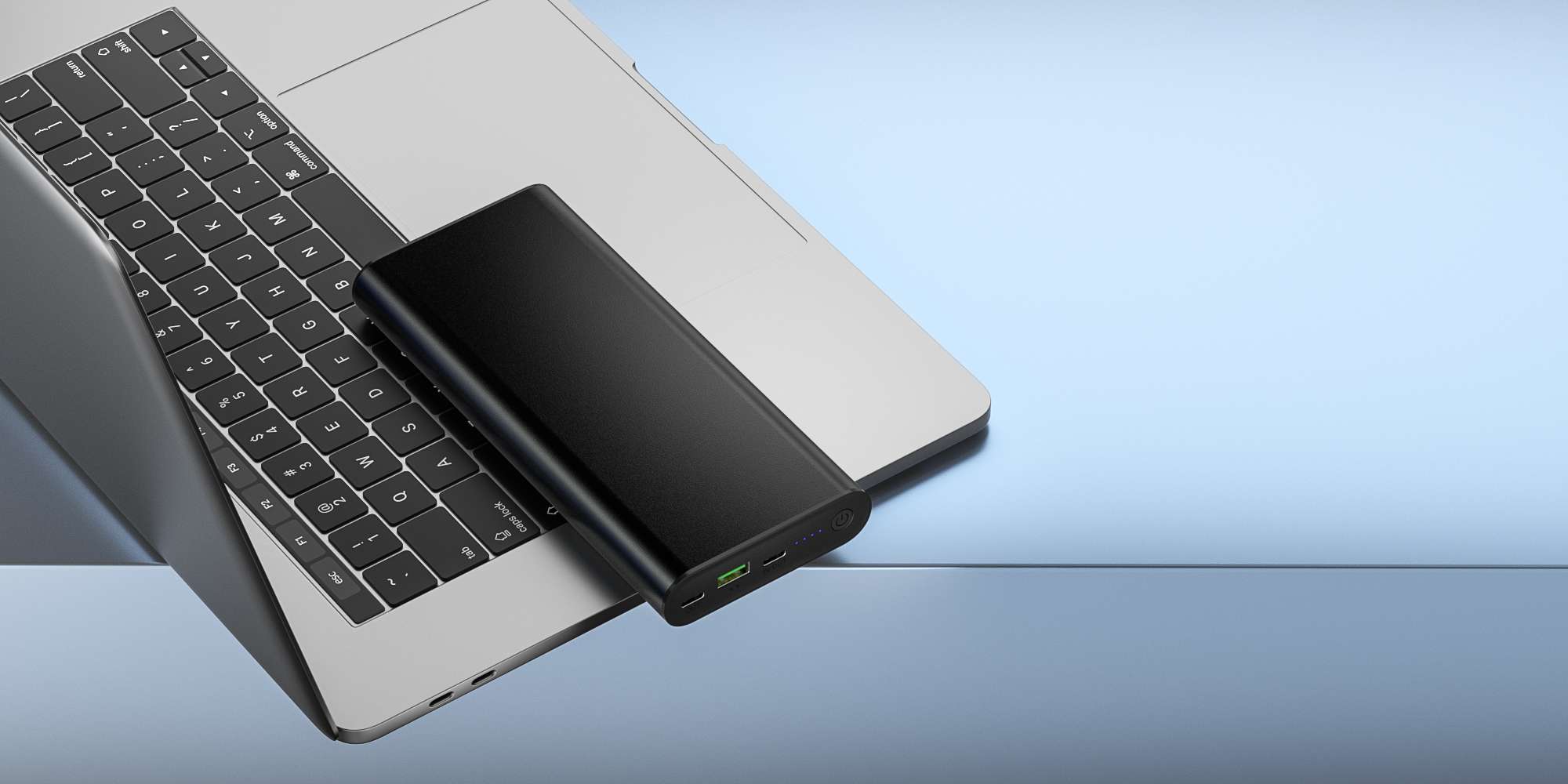
Yes, many modern power banks can charge laptops, especially those that support USB-C Power Delivery.
However, the power bank must provide sufficient voltage and wattage to match the laptop’s requirements.
What capacity power bank is allowed on airplanes?
Most airlines allow power banks under 100Wh in carry-on luggage. Larger batteries between 100Wh and 160Wh may require airline approval.
Always check airline regulations before traveling.
How long can a power bank run a laptop?
Runtime depends on both battery capacity and laptop power consumption.
For example, a 150Wh power bank powering a 60W laptop may provide around 2 to 3 hours of additional runtime.
Can digital nomads recharge power banks with solar panels?
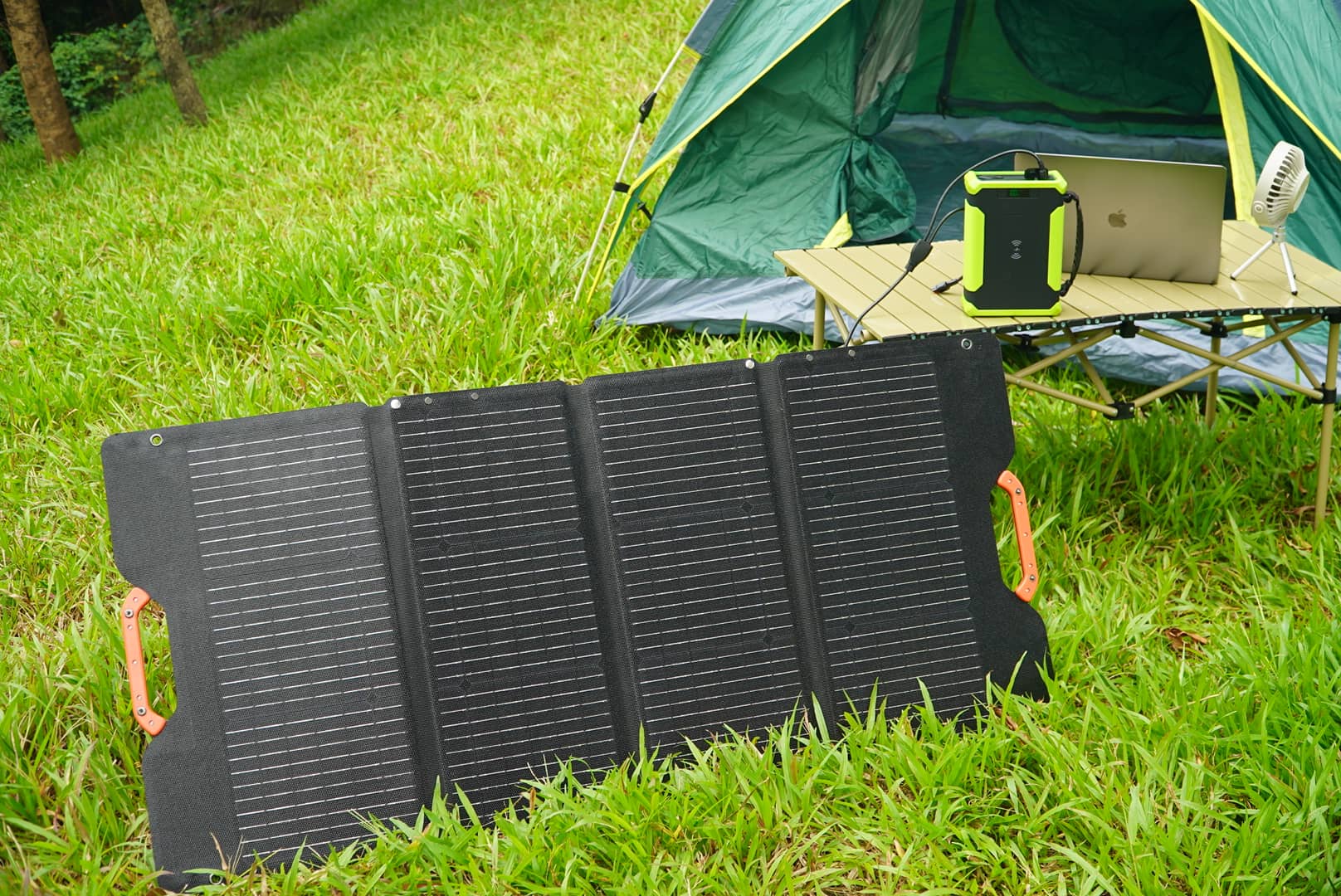
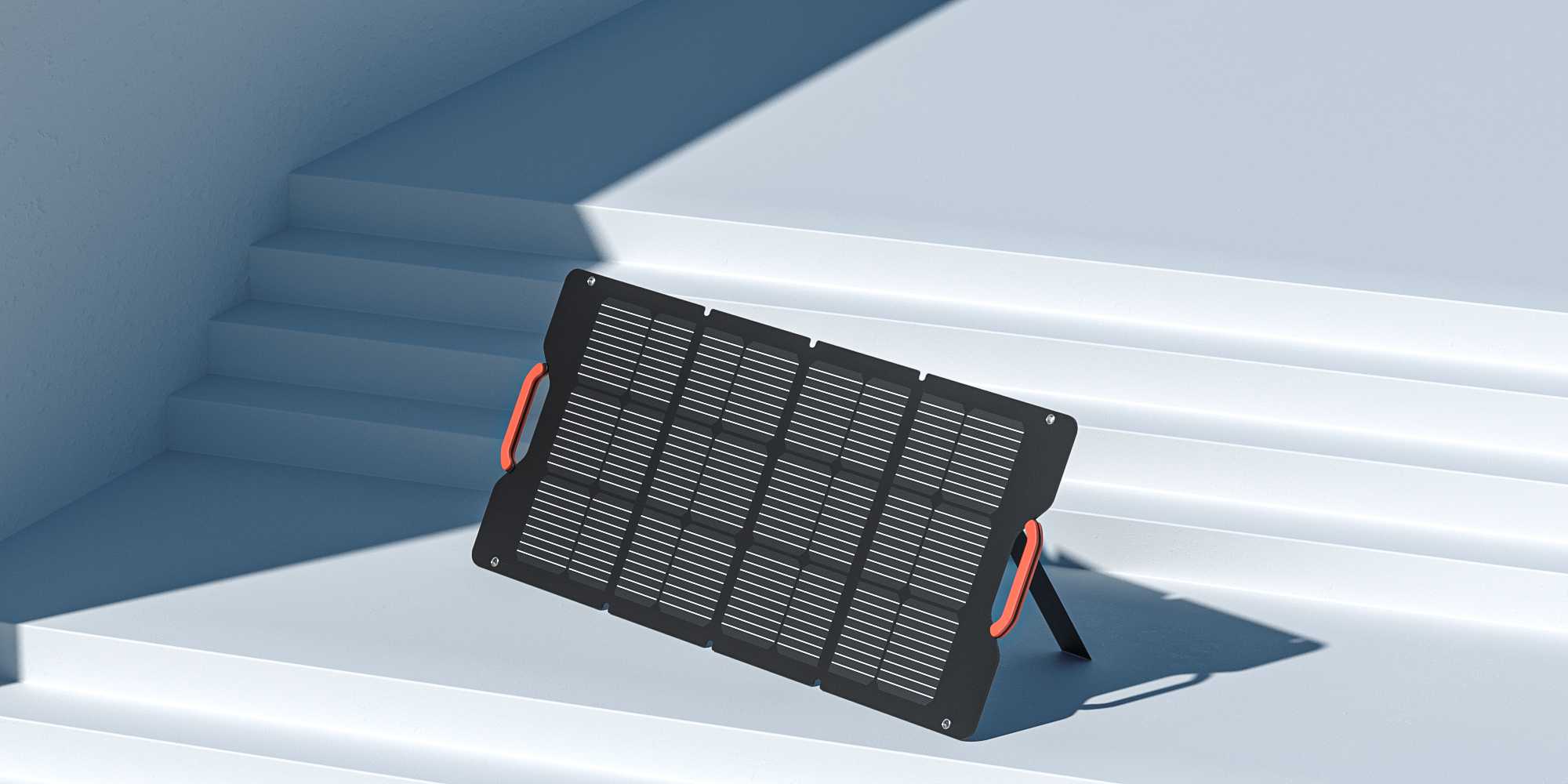
Yes, many outdoor power banks support solar charging through DC input.
Solar panels are particularly useful for:
Camping
Remote travel
Off-grid work environments
Portable Power Solutions for Digital Nomads
For professionals who work while traveling, choosing a reliable portable power solution is essential.
Compact yet capable power banks designed for travel can provide dependable energy for mobile devices and remote work setups.
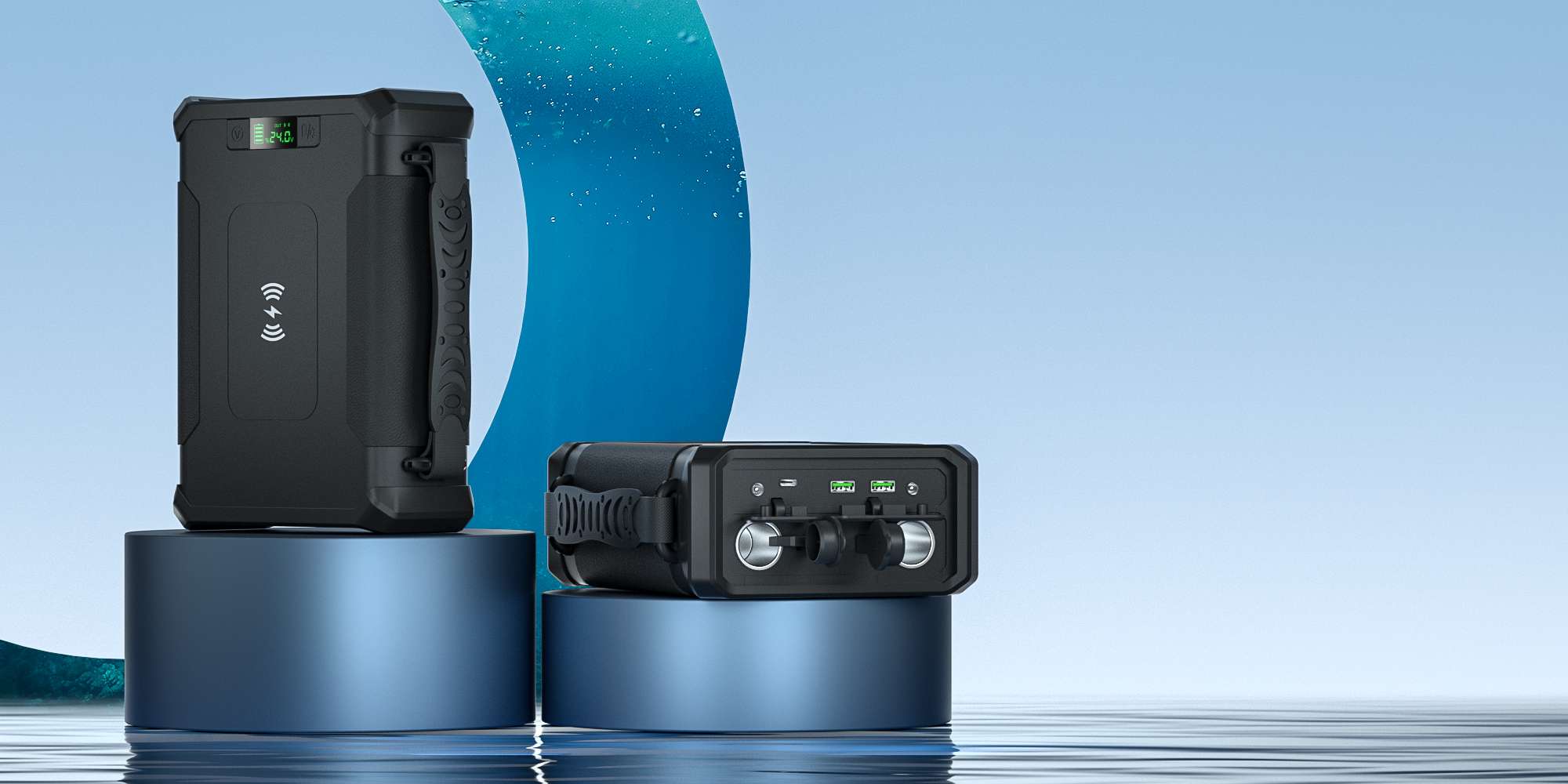
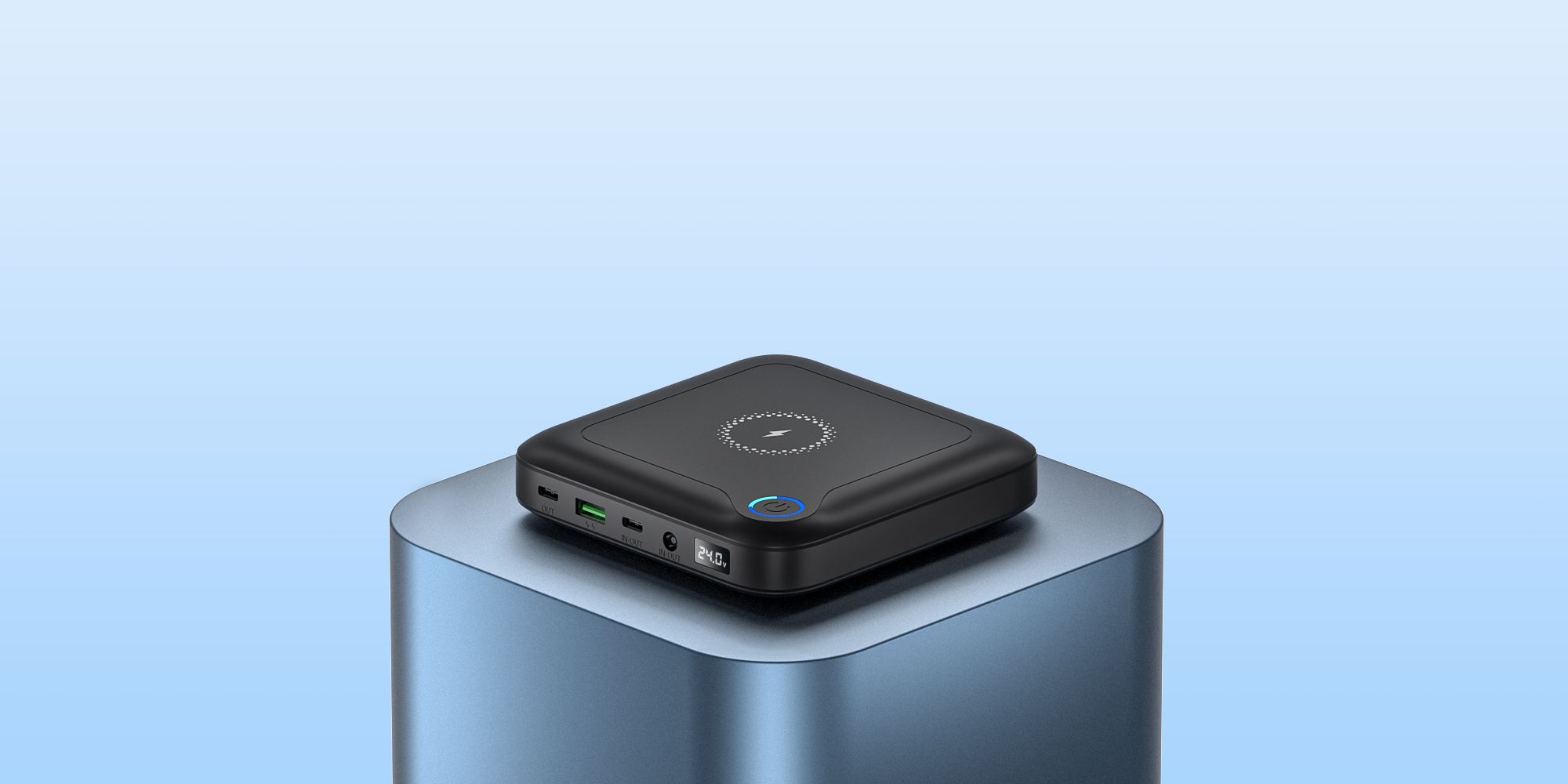
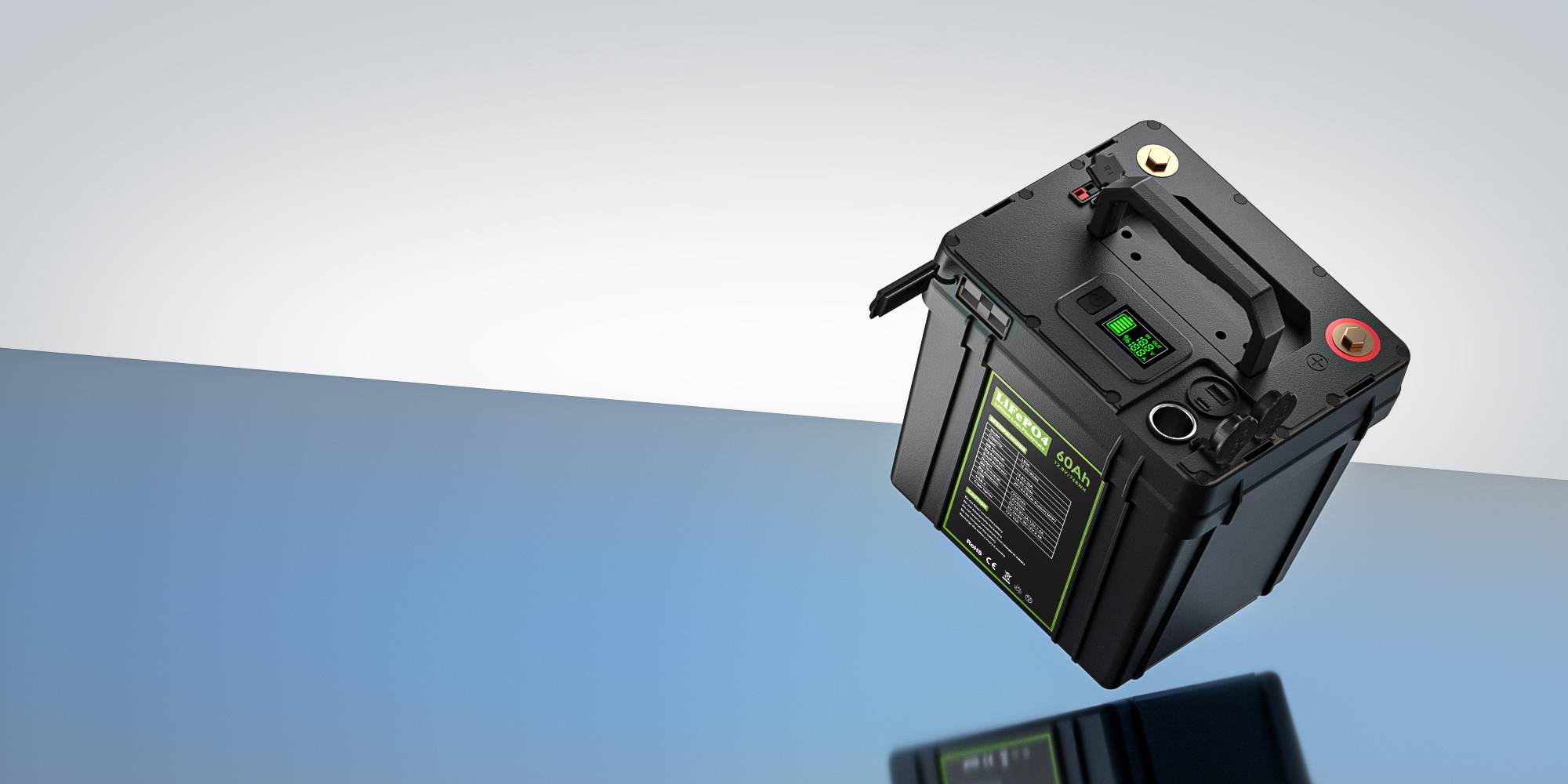
Examples include portable power bank models such as GP12, GP13, and GP16, which are designed to support everyday charging needs for travelers and remote workers.
These types of portable battery packs typically offer features that are useful for digital nomads, including:
Portable and backpack-friendly design
High-capacity batteries for extended usage
USB-C fast charging support
Multiple output ports for charging several devices simultaneously
They are suitable for powering devices commonly used by remote workers, such as:
Smartphones
Tablets
Cameras
Portable WiFi routers
Small electronic accessories
Whether working from an airport lounge, a mountain cabin, or a seaside café, a reliable power bank ensures that your devices stay powered and your work continues without interruption.