

















A Calm River… Until You Realize What You Forgot
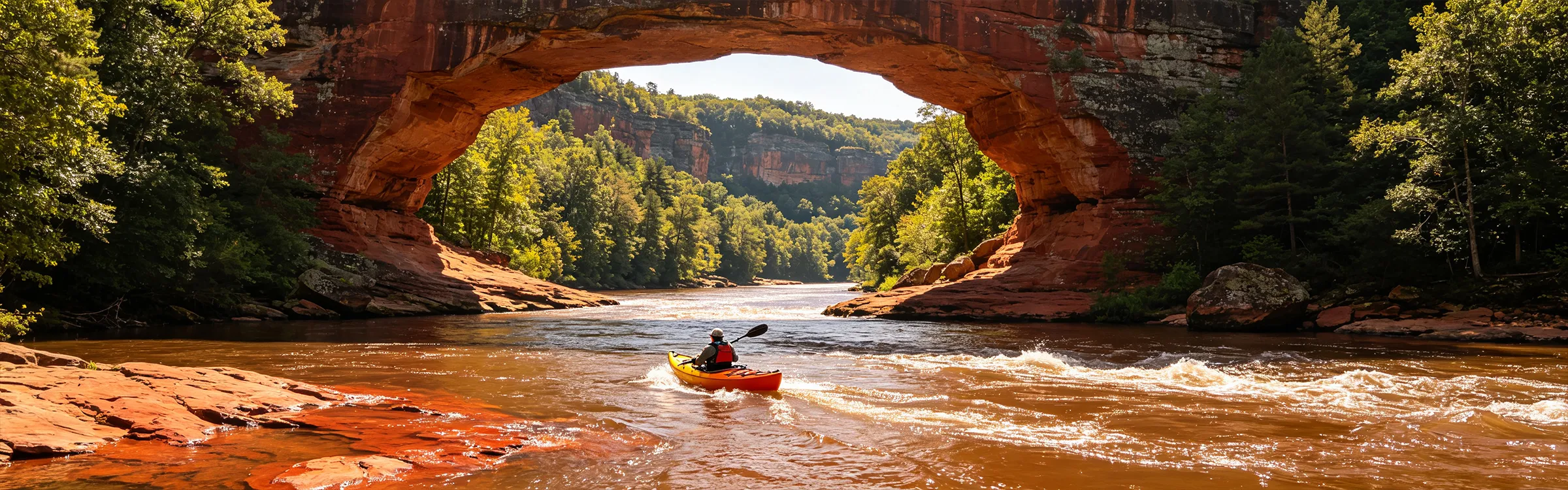
Red River Gorge looks peaceful in photos.
Slow water, tall sandstone cliffs, quiet forest reflections.
But ask anyone who has actually spent a full day kayaking there, and you’ll hear a different story.
Not dangerous in the extreme sense—but unpredictable in the way most beginners don’t expect.
Weather changes faster than expected.
River sections feel longer than they look on maps.
And the biggest issue usually isn’t kayaking skill.
It’s preparation.
Most first-time paddlers focus on renting a kayak and choosing a scenic route.
But they often forget the systems that keep the trip safe, connected, and manageable for several hours outdoors.
That’s where most problems begin.
Why Red River Gorge Is a Unique Kayaking Destination
Red River Gorge in Kentucky is known for its dramatic sandstone formations, forested riverbanks, and naturally winding waterways.
Unlike flatwater lakes, this river system offers a mix of:
- calm drifting sections
- light current channels
- narrow bends surrounded by cliffs
- occasional shallow or rocky areas
This combination makes it ideal for beginners—but only if expectations are realistic.
It’s not a theme park river ride.
It’s a natural environment where conditions shift throughout the day.
Morning water levels can feel completely different by afternoon.
That’s why planning matters as much as paddling.
Best Kayaking Routes in Red River Gorge for First-Time Visitors
Most rental companies will guide you toward safe, beginner-friendly sections, but understanding the structure of routes helps you choose better.
Short Scenic Routes (1–3 Hours)
These are ideal for:
- first-time paddlers
- families
- casual sightseeing
They typically include:
- slow current sections
- easy navigation
- frequent scenic stops
However, short routes can feel deceptively easy. Many beginners underestimate return logistics or timing.
Half-Day Routes (3–5 Hours)
This is the most popular option.
You’ll experience:
- more varied water flow
- longer uninterrupted paddling
- fewer exit points
This is where energy management becomes important—hydration, timing, and device usage start to matter more than people expect.
Full-Day Exploration Routes
These are for:
- experienced paddlers
- photography-focused trips
- adventure-style exploration
Full-day routes require planning beyond kayaking:
- food and hydration
- weather awareness
- navigation reliability
- backup communication
This is also where people most often realize they needed more preparation than expected.
Kayak Rentals: What You’re Really Getting (and What You’re Not)
Rental stations around Red River Gorge typically provide:
- kayak or canoe
- paddle
- life jacket
- basic launch instructions
What they usually don’t include:
- waterproof storage for electronics
- navigation tools
- backup communication power
- emergency planning equipment
This gap is where most beginner mistakes happen.
Many people assume “rental ready” means “trip ready.”
It doesn’t.
What Most Beginners Forget Before Entering the Water
This is where real-world experience matters more than guidebooks.
The most commonly overlooked items are not physical gear—but support systems.
1. Phone Battery Drain Happens Faster on Water
Cold, heat, and constant GPS usage drain phones faster than normal.
2. Navigation and Photo Usage Add Hidden Consumption
People underestimate how often they:
- check maps
- take photos
- record videos
- communicate with others
3. Emergency Communication Is Often Ignored
Most paddlers assume nothing will go wrong.
But river conditions, weather changes, or simple delays can extend trips unexpectedly.
4. No Backup Power Plan
This is the biggest gap.
Once devices run out, options become limited quickly.
How to Stay Safe and Powered on a Full-Day Kayaking Trip
Safety on the river is not just about wearing a life jacket.
It’s also about maintaining communication and awareness.
A few important principles:
- Keep navigation tools available at all times
- Avoid fully draining your phone battery
- Carry a secondary power source for emergencies
- Plan for delays—not just ideal conditions
Most beginners plan for the trip they expect.
Experienced paddlers plan for the trip that might happen.
Portable Power on the River: What Actually Works
Not every power solution makes sense for kayaking.
Fuel generators are obviously not suitable.
Large setups are too bulky and impractical.
For river environments, the ideal power system should be:
- lightweight and portable
- safe around water environments
- capable of charging phones, GPS, and cameras
- stable DC output for outdoor devices
- simple to operate without setup complexity
This is where compact LiFePO4 battery systems have become increasingly popular among outdoor users.
Unlike traditional setups, they don’t require fuel, noise, or mechanical operation.
They simply store energy and deliver it when needed.
Real-World Kayaking Power Setup Example
A typical beginner or intermediate kayaking setup might include:
- smartphone (navigation + photos)
- action camera
- LED safety light (for late returns)
- small GPS device
On a long river day, these devices can easily become critical for both safety and experience.
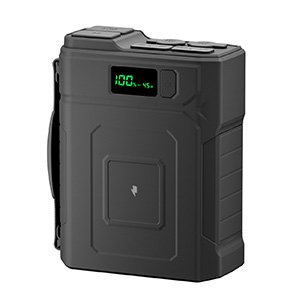
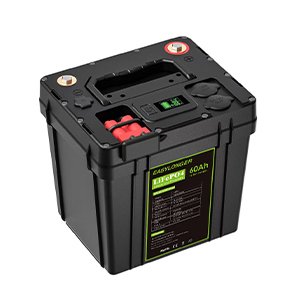
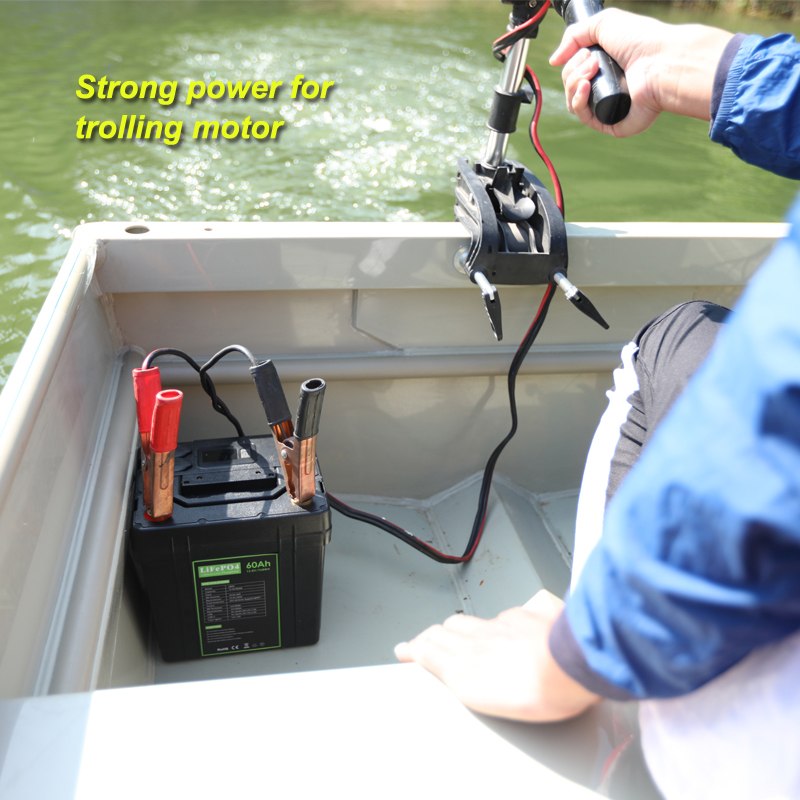
A compact LiFePO4 battery system such as the Merpower LB50 (60Ah) fits into this type of scenario as a reliable backup energy source.
Rather than being used continuously, it functions as:
- emergency phone recharge
- backup GPS power support
- camera recharge during breaks
- safety reserve for unexpected delays
The value is not about powering everything—it’s about preventing total loss of communication or navigation capability during extended outdoor exposure.
That distinction matters more on water than on land.
When Is the Best Time to Kayak Red River Gorge?
Timing plays a bigger role than most beginners expect.
Spring
- higher water levels
- faster flow in some sections
- cooler temperatures
Summer
- most popular season
- stable conditions
- higher crowds
Early Fall
- best balance of weather and scenery
- fewer crowds
- comfortable water temperatures
Morning departures are generally safer and more predictable than afternoon trips, especially for beginners.
Other Things to Do Around Red River Gorge
Many visitors combine kayaking with other activities:
- hiking forest trails
- visiting natural rock bridges
- camping near the river
- scenic photography trips
- multi-day outdoor stays
This makes it a strong destination for extended outdoor travel rather than a single activity stop.
FAQs About Kayaking Red River Gorge
Is Red River Gorge good for beginner kayakers?
Yes, but only on designated beginner-friendly routes with proper preparation.
Do I need prior experience?
No, but basic paddling instruction is recommended.
What should I bring on a kayaking trip?
Hydration, sun protection, waterproof storage, and backup communication power.
Can weather affect kayaking conditions?
Yes. Rain and wind can significantly change water flow and difficulty.
Is phone signal reliable on the river?
It varies by section, which is why offline maps and backup power are recommended.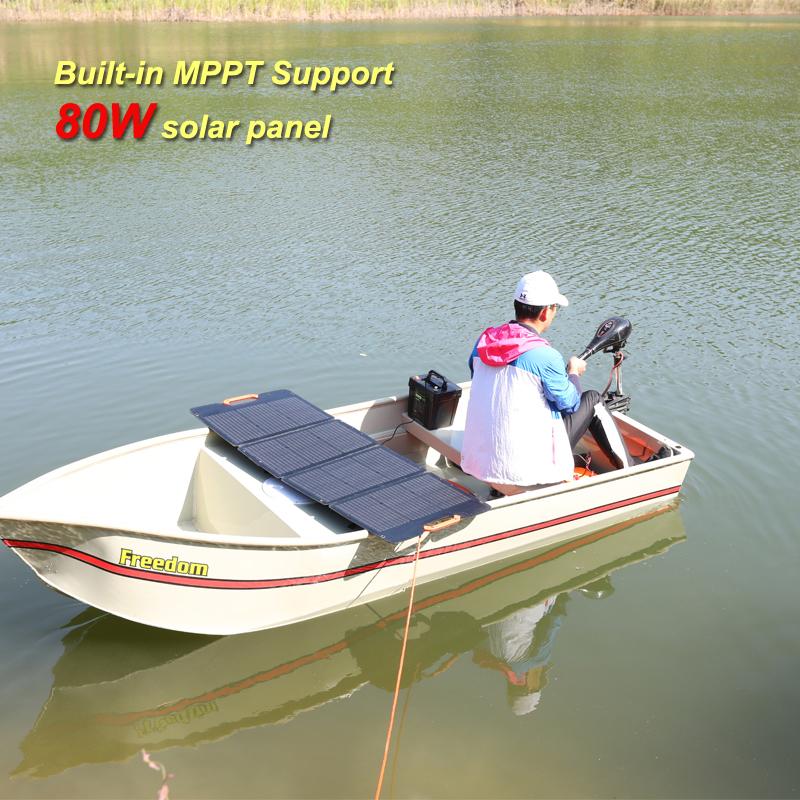
Final Thoughts: The River Is Simple—Preparation Is Not
Red River Gorge is one of the most visually rewarding kayaking destinations in the U.S.
But the difference between a smooth trip and a stressful one rarely comes down to paddling ability.
It comes down to preparation.
Most beginners focus on the kayak.
Experienced paddlers focus on everything around it:
- timing
- weather
- communication
- navigation
- and backup power
Because once you’re on the water, your options become limited quickly.
A well-planned trip doesn’t just make kayaking safer—it makes the entire experience more enjoyable.
And for many outdoor travelers, having a reliable backup energy source like the Merpower LB50 simply adds another layer of confidence when exploring environments where staying connected matters.