Introduction
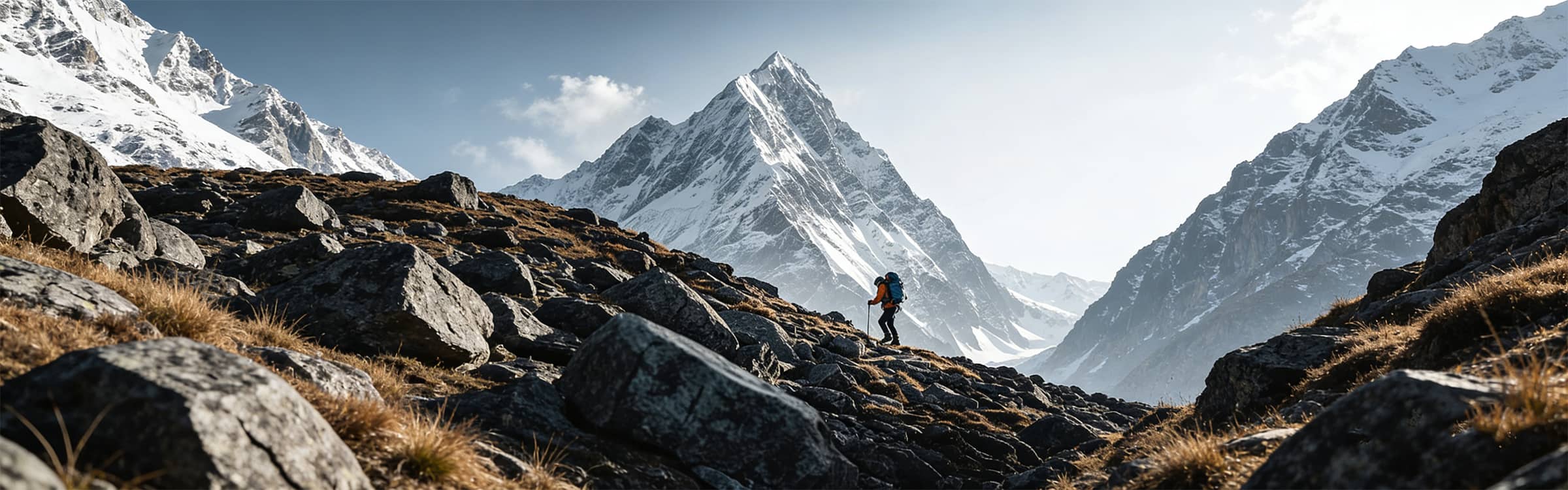
Mountaineering is not just hiking at a higher altitude—it’s a completely different level of outdoor challenge. Harsh weather, unpredictable terrain, and limited access to resources mean that every piece of gear you carry plays a critical role in your safety and success.Unlike casual outdoor trips, mountaineering demands a careful balance between weight and survival capability. Bring too much, and you slow yourself down. Bring too little, and you risk being unprepared in dangerous conditions.This guide breaks down the essential mountaineering gear you need, with a focus on efficiency, reliability, and endurance—so you can stay safe, perform confidently, and handle multi-day climbs with the right equipment.
The Foundation: Clothing Layers
Base Layer (Moisture Management)
Your base layer sits directly against your skin and is responsible for managing sweat. Choose moisture-wicking materials like merino wool or synthetic fabrics to keep your body dry and reduce the risk of hypothermia.
Mid Layer (Insulation)
The mid layer traps heat and keeps you warm. Fleece or insulated jackets are common choices, depending on how cold your environment will be.
Outer Layer (Weather Protection)
Your outer shell protects against wind, rain, and snow. A high-quality waterproof and windproof jacket is essential in mountain conditions where weather can change rapidly.
Footwear: Your Connection to the Ground
Mountaineering Boots vs Hiking Boots
Mountaineering boots are designed for stability, insulation, and compatibility with crampons. They offer better protection and support compared to standard hiking boots.
Fit, Support, and Insulation
A proper fit is critical. Poorly fitting boots can lead to blisters, cold feet, and reduced mobility—all of which can compromise your climb.
Traction: Crampons and Ice Axes
When You Need Crampons
Crampons provide traction on ice and snow, making them essential for technical climbs and glacier travel.
Choosing the Right Ice Axe
An ice axe is used for balance, self-arrest, and climbing support. The right type depends on your route and experience level.
Technical Hardware
Ropes, Carabiners, Harnesses
These are essential for safety in technical terrain. Always use certified, high-quality gear and understand how to use it properly.
Helmets and Protection Gear
Falling rocks and ice are real hazards. A helmet is non-negotiable in most mountaineering environments.
Sleeping Systems: Surviving the Night
Sleeping Bags for Cold Conditions
Choose a sleeping bag rated for temperatures lower than what you expect. Mountain nights can be colder than forecasted.
Sleeping Pads and Insulation
A good sleeping pad insulates you from the cold ground and improves overall sleep quality, which is crucial for recovery.
Electronics and Power
Essential Electronics for Mountaineering
Modern mountaineering relies on several key devices:
- Smartphone for navigation and communication
- GPS device for route tracking
- Headlamp for low-light and night movement
- Watch or altimeter for tracking elevation and time
These tools enhance both safety and efficiency—but they all depend on battery power.
Why Power Matters More in the Mountains
In cold environments, batteries drain faster than usual. On multi-day climbs, you may not have any opportunity to recharge. Losing power doesn’t just mean inconvenience—it can mean losing access to navigation, communication, and emergency assistance.In mountaineering, staying powered is directly tied to staying safe.
Choosing a High-Capacity Power Solution
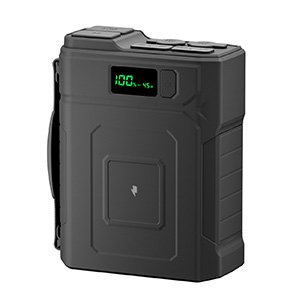
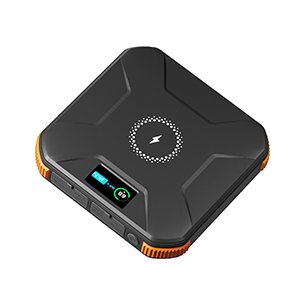
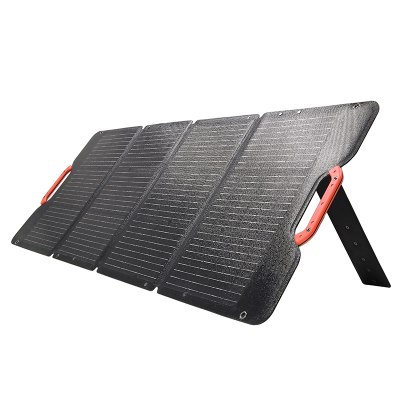
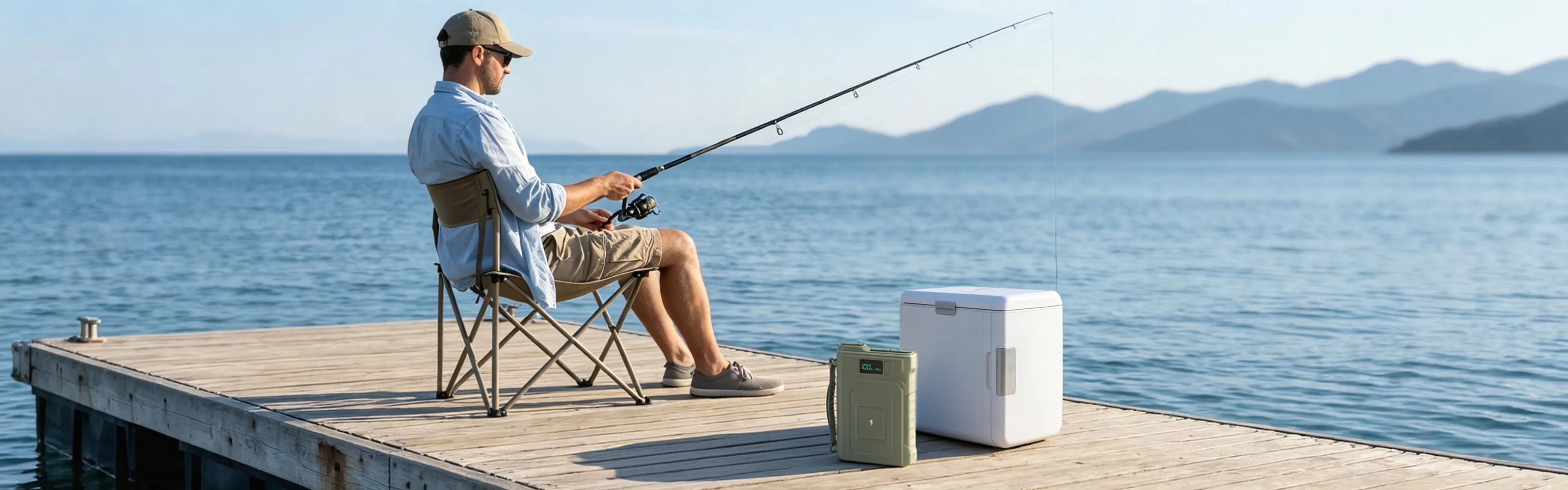
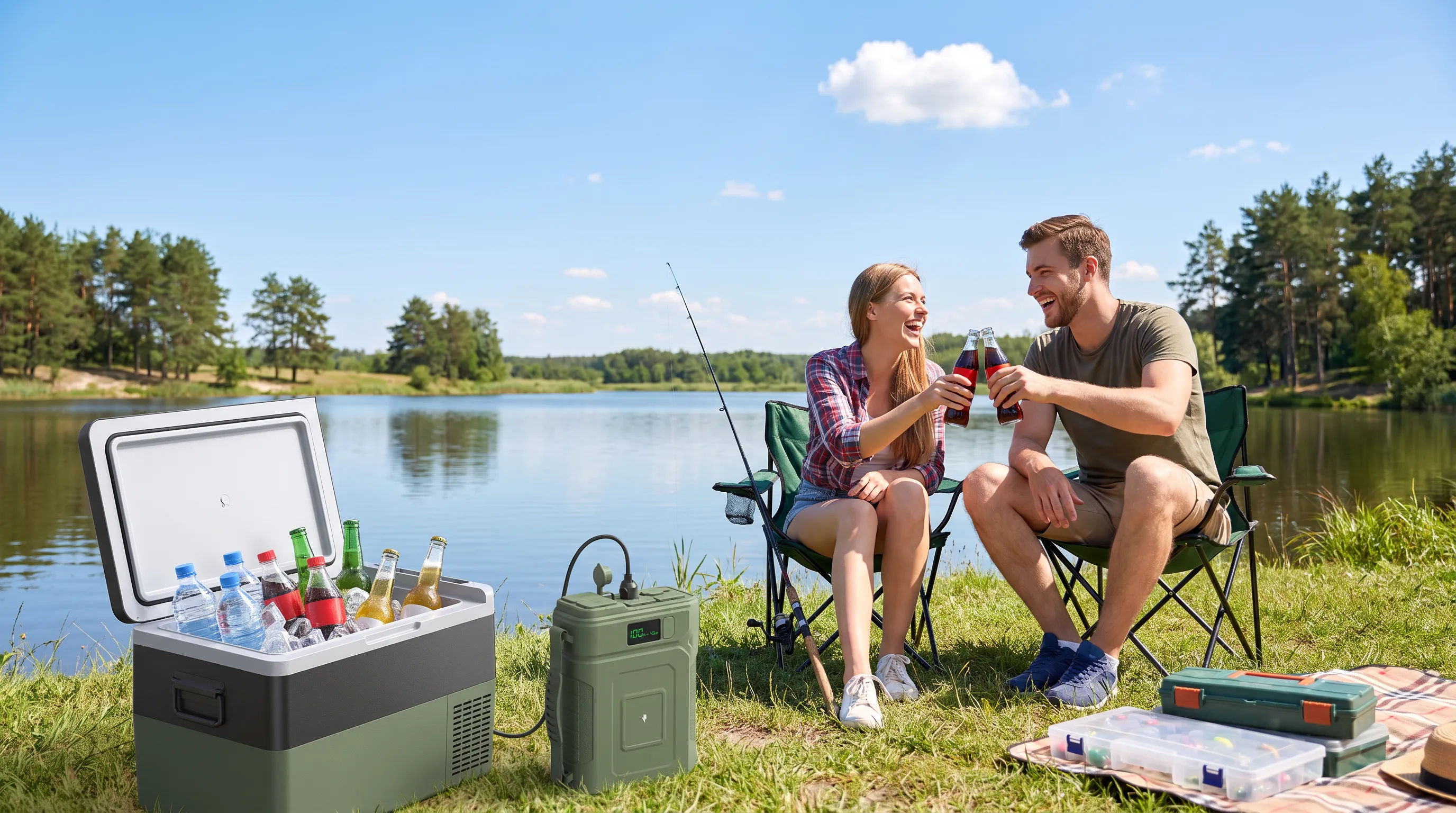
For short trips, smaller power banks may be enough. But for multi-day climbs or remote expeditions, a higher-capacity solution becomes essential.A power source in the 96000mAh range can support multiple devices over several days, reducing the risk of critical equipment failure. For example, a solution like the GP50 Pro (96000mAh) is designed to handle extended use in off-grid environments, making it suitable for base camps, summit pushes, and emergency backup scenarios.Rather than worrying about conserving every percentage of battery, having sufficient power allows you to focus on the climb itself—while keeping your essential devices ready when you need them most.
Carrying the Load: Backpacks
Choosing the Right Capacity
Your backpack should be large enough to carry all essential gear without being unnecessarily bulky. Capacity typically depends on the length and type of your climb.
Weight Distribution and Efficiency
A well-balanced pack reduces fatigue and improves mobility. Efficient packing is just as important as what you pack.
Nutrition and Hydration
High-Calorie Food Choices
Mountaineering burns a significant amount of energy. Pack calorie-dense foods that are easy to prepare and consume.
Water Storage and Purification
Access to clean water isn’t always guaranteed. Carry enough water and bring a reliable purification method.
Eye and Skin Protection
UV Protection at High Altitude
UV exposure increases with altitude. Sunglasses with proper protection are essential to prevent snow blindness.
Sunscreen and Lip Care
Protect your skin from sunburn and harsh conditions with high-SPF sunscreen and lip balm.
The Importance of Hands
Gloves for Warmth and Dexterity
Your hands need to stay warm while maintaining enough dexterity to handle gear. Layering gloves can help achieve both.
Backup Gloves
Always carry an extra pair. Wet or frozen gloves can quickly become a serious problem.
Knowledge and Preparation
Navigation Skills
Don’t rely solely on electronic devices. Learn how to use a map and compass.
Weather Awareness
Understanding weather patterns can help you avoid dangerous situations.
Emergency Planning
Have a clear plan for emergencies, including evacuation routes and communication strategies.
The Complete Mountaineering Checklist
Clothing
- Base layer (moisture-wicking)
- Mid layer (insulation)
- Outer shell (waterproof and windproof)
Footwear
- Mountaineering boots
- Extra socks
Technical Gear
- Crampons
- Ice axe
- Helmet
- Rope and harness
Sleeping System
- Cold-rated sleeping bag
- Insulated sleeping pad
Food & Water
- High-calorie meals
- Water containers
- Water purification system
Electronics & Power
- Smartphone
- GPS device
- Headlamp
- Charging cables
- High-capacity power source (e.g., 96000mAh class such as GP50 Pro)
Final Thoughts
Mountaineering is as much about preparation as it is about physical ability. The right gear doesn’t just improve comfort—it directly impacts your safety, endurance, and ability to respond to unexpected situations.While it’s important to keep your pack as light as possible, certain items—like a reliable power source—should never be compromised. In remote mountain environments, having consistent access to power can make a meaningful difference when it matters most.By choosing your gear carefully and planning ahead, you can approach your climb with confidence, knowing you’re prepared for both the challenges and the rewards that come with mountaineering.