Introduction
For distributors serving hot-climate markets, battery selection involves more than capacity and charging speed. Products may be used outdoors, carried in vehicles, or operated where ventilation is limited. Temperature therefore deserves attention from the beginning.
Lithium iron phosphate, commonly called LiFePO4 or LFP, generally offers better thermal stability than common nickel manganese cobalt, or NMC, lithium-ion chemistries. This makes it an important option when evaluating portable batteries for warmer environments.That advantage provides a useful starting point. The next step is to establish whether the complete product suits the intended equipment, operating conditions, and customer expectations.This guide explains what LFP’s thermal stability means, how it differs from operating-temperature limits, and what buyers should check before selecting a battery for a hot-climate market.
Why Heat Matters When Choosing a Portable Battery
The Product’s Location Matters as Much as the Weather
A regional weather forecast does not describe every place a battery may be used.A shaded outdoor table, an enclosed storage compartment, and a parked vehicle can expose equipment to different conditions. Direct sunlight and nearby heat sources can also change the temperature experienced by the product.The battery’s placement should therefore be part of the application description.Instead of asking only whether a product is suitable for a particular country, explain where it will sit, how it will be used, and whether the surrounding air can circulate.
Charging and Operation Add Their Own Heat
A battery product can generate heat while charging or supplying equipment. Its electronics, connections, and internal cells all contribute to its thermal behavior.The load, charging arrangement, enclosure, and surrounding conditions influence that behavior.For buyers, this means checking the intended operating pattern. Occasional phone charging and extended equipment operation may require different evaluations, even when the products are used in the same climate.
Where LiFePO4’s Thermal Stability Advantage Comes From
LFP and NMC Are Both Lithium-Ion Battery Types
LFP and NMC describe different positive-electrode materials within the lithium-ion battery family.Their material structures affect how they behave during heating and other demanding conditions. LFP’s phosphate-based cathode structure is relatively stable, helping limit the cathode reactions and oxygen release that can contribute to severe heating in some other chemistries.This is a material advantage with practical relevance to battery safety.However, a battery contains more than its cathode. Electrolyte, other cell components, construction, charge level, and protective features also influence the response.
Better Thermal Stability Supports a Strong Starting Point
Comparative research has demonstrated favorable thermal stability for LFP cells, including differences in response to external heating.For hot-climate procurement, this gives buyers a sound reason to consider LFP products. It can be a valuable part of a product-selection strategy that places importance on thermal behavior.The comparison still needs context. Test results depend on the particular cells, their condition, state of charge, construction, and test method.A result from one laboratory test should not become a universal promise about every commercial LFP battery.
LFP Still Requires Appropriate Protection
LFP batteries can overheat, vent, or fail under unsuitable conditions. Their thermal stability does not remove the need for quality cells, protective electronics, correct charging, and suitable installation.Likewise, NMC products should not automatically be classified as unsafe. Complete-product design and quality remain important for both chemistries.The useful procurement question is how the selected chemistry works together with the rest of the product.
Thermal Stability, Operating Limits, and Battery Life Are Different
A Thermal-Abuse Result Is Not an Operating Rating
Battery research may describe temperatures associated with material decomposition, venting, or thermal runaway.Those figures concern behavior under specific test conditions. They are not recommended temperatures for normal charging, storage, or use.A portable battery’s operating limits must come from documentation for the complete product. They cannot be calculated from a cathode-material stability figure.
| Topic | What it tells a buyer |
|---|
| Thermal stability | How materials or cells respond under defined heating conditions |
| Charging-temperature range | Conditions under which the product may accept charge |
| Discharging-temperature range | Conditions under which it may supply equipment |
| Storage-temperature range | Conditions specified for storage, sometimes with duration limits |
| Long-term aging | How capacity and resistance change with time and use |
These categories answer different questions. Check each one that matters to the application.
High Temperature Can Still Affect LFP Battery Life
Thermal stability and long-term durability are related to different aspects of performance.An LFP battery can remain within its permitted operating conditions while still aging faster under some hotter conditions than it would under milder conditions. Temperature, charge level, current, and time can all influence degradation.Long-term LFP studies examine these variables because no single cycle-life number fully describes every application.Avoid translating a general chemistry advantage into a fixed service-life promise for a hot environment. Ask what conditions support the stated life estimate.
An Allowed Temperature Range May Have Conditions
An operating range should be read alongside the rest of the specification.Ask whether continuous high output is available throughout that range, whether charging or output changes under certain conditions, and whether there are placement or ventilation requirements.Do not assume that permission to operate at a stated temperature means every function remains available at its maximum rating.
What Makes a Complete Battery Product Suitable for Hot Conditions?
Cell Selection and Product Construction
Check the identity and relevant specifications of the cells used in the proposed product.Cell quality, electrical connections, mechanical support, and the arrangement of internal components all affect the finished battery. The enclosure and installation also influence how heat moves through the system.For distributors, chemistry is one part of the product description. The complete configuration is what customers will use.
Temperature Monitoring and Protective Behavior
Ask the supplier to explain the protection functions relevant to the application.Useful questions include:
- Where is temperature monitored?
- What happens when a temperature limit is reached?
- Does the product stop charging, reduce output, or shut down?
- How does normal operation resume?
- What information is available to the user?
The answers should describe the actual model. Do not assume every LFP product has the same sensors, control logic, or recovery behavior.Protective shutdown also needs to be distinguished from application suitability. A product that repeatedly stops during the customer’s intended use may need a different configuration or operating arrangement.
Interfaces, Cables, and Placement
Check the entire supply path.A compatible battery must also work with the required connectors, cables, voltage range, current, and charging method. Sustained use should stay within the limits of all relevant components.Plan placement that meets the product instructions. Keep required ventilation clear and avoid covering operating equipment with clothing or other insulating materials.Do not improvise cooling changes or modify an enclosure without manufacturer approval.
How Distributors Can Evaluate Products for Their Market
Describe the Application Before Requesting a Recommendation
Give the supplier a practical picture of the intended use.Include the connected equipment, normal and startup requirements, expected operating duration, charging source, and proposed location.For environmental conditions, describe more than the country name. Explain whether the battery will be indoors, outdoors, shaded, vehicle-mounted, or placed in a compartment.This information makes it easier to identify relevant specifications and unresolved questions.
Request Evidence for the Complete Configuration
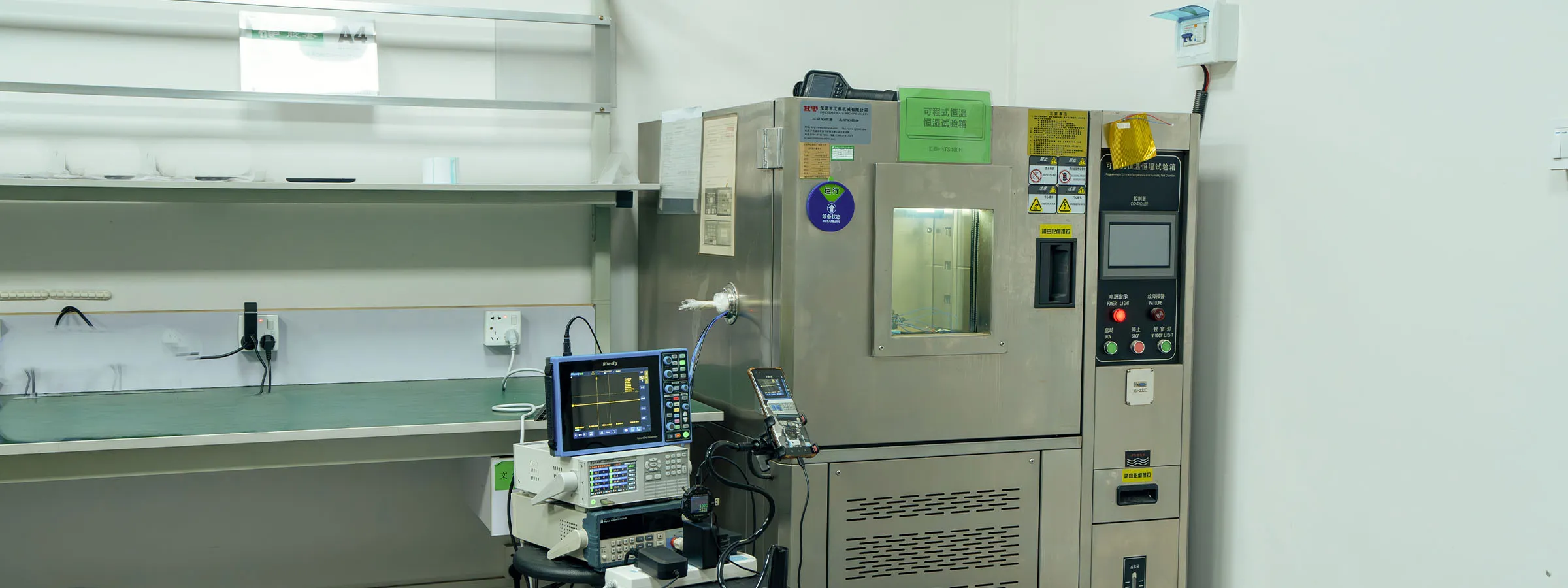
Ask for operating instructions and relevant test information tied to the model being considered.Where environmental performance is important, clarify the test temperature, duration, load, charging state, and configuration. Confirm what was observed and what the result supports.A cell data sheet does not automatically establish the temperature capability of a finished pack. Similarly, a brief functional check cannot prove long-term durability.Documentation should match the product and the claim being assessed.
Agree on Representative Verification
Begin with compatibility checks using the intended equipment under permitted conditions.If controlled high-temperature verification is needed, agree on an appropriate procedure, suitable equipment, and qualified personnel. Separate everyday sample evaluation from specialist environmental or safety testing.Leaving a product in direct sunlight or inside a parked vehicle does not provide a controlled, repeatable test.Record the conditions and results so the supplier can review them. For batch procurement, also confirm how the approved configuration and any later changes will be identified.
Where Merpower’s LiFePO4 Products Fit
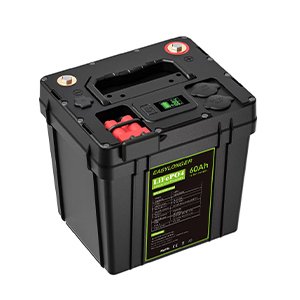
Merpower offers portable battery products using LiFePO4 chemistry. The
GP35SE, for example, has a
192Wh LiFePO4 battery pack with USB and DC outputs for compatible equipment.Potential applications include replenishing suitable phones, rechargeable lighting, and other compatible small electronics during travel, outdoor activities, or backup-power use.For a hot-climate project, selection should continue beyond those basic specifications. Buyers should confirm the model’s documented temperature limits, intended placement, load requirements, and relevant verification.Using LFP does not establish that a product is suitable for direct sunlight, an enclosed vehicle compartment, or any other unverified environment.When discussing a project with Merpower, provide the equipment details and expected conditions. This gives the conversation a clearer basis for product selection and sample evaluation.
Conclusion
LiFePO4’s thermal stability is a meaningful advantage and a strong reason to consider it for hot-climate markets.Successful selection then depends on the complete battery: its cells, electronics, protection, connections, enclosure, and documented operating conditions.For distributors and project buyers, the practical approach is to combine the chemistry advantage with application-specific evidence. That supports clearer product claims and better-informed purchasing decisions.
FAQs
Is LiFePO4 Generally More Thermally Stable Than NMC?
Yes. LFP generally shows better thermal stability than common NMC chemistries. Specific results still depend on cell design, condition, state of charge, and test method.
Can LiFePO4 Batteries Overheat?
Yes. Excessive heat, damage, unsuitable charging, or other abnormal conditions can cause problems. LFP still requires appropriate design, protection, and handling.
Does Better Thermal Stability Mean a Higher Operating Temperature?
Not automatically. Thermal stability under testing and the permitted operating range describe different things. Use the complete product’s documented charging, discharging, and storage limits.
Can You Leave a LiFePO4 Battery in a Parked Car?
Do not assume it is suitable. Check the product’s storage and operating instructions against the conditions in the vehicle. LFP chemistry alone does not approve that environment.
What Should Distributors Ask Before Buying for Hot Climates?
Confirm temperature limits, relevant protection behavior, equipment compatibility, placement requirements, and supporting test conditions. Make sure the information applies to the exact product configuration being purchased.