
















Table of Contents
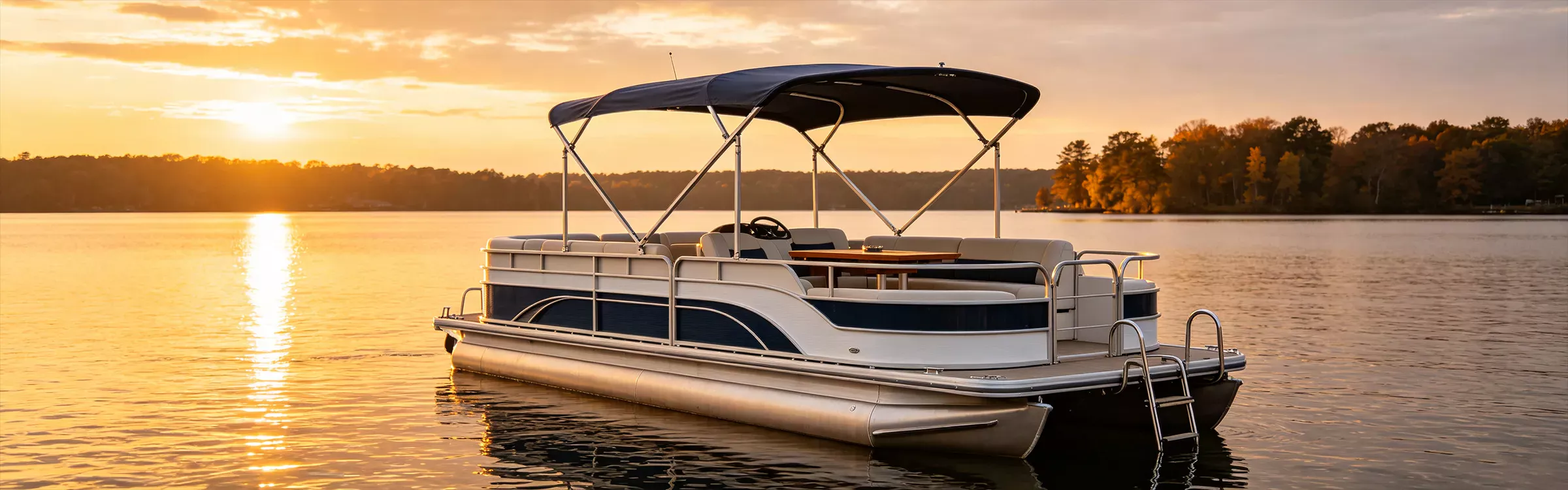
A pontoon boat is built for easy days on the water. Cold drinks, music, lights, phones, and a few extra accessories can make the whole trip better.
But there is one problem many owners run into: once you start adding accessories, the main battery can begin doing too much.
That is where pontoon power planning matters. If you want to run a fridge, stereo, lights, and charge a few devices without worrying about the boat battery, a separate portable power solution makes the whole setup much simpler.
1. How much power do pontoon boat accessories actually use?
Pontoon accessories often look small, but over a full day they can draw more power than expected.
A stereo playing for hours is not the same as a quick phone charge. A fridge or cooler cycles on and off all day. Lights, speakers, and charging cables all add to the total load. Even if each device seems modest, the combined demand can drain the system faster than planned.
Common pontoon loads include:
- portable fridges and coolers
- stereo systems and speakers
- LED lights
- phones and tablets
- cameras and action cams
- small fans and convenience devices
The issue is rarely one device. It is the total runtime.
2. What are the limits of a standard pontoon battery system?
Most standard pontoon battery systems are designed to support the boat first.
That usually means starting the engine, handling core boat functions, and keeping the base electrical system stable. Once you ask that same battery to support accessories for long periods, the margin starts shrinking.
The most common issues are:
- voltage drop
- shorter runtime
- battery anxiety toward the end of the day
- unnecessary stress on the main battery bank
Many pontoon owners do not want their stereo or fridge competing with the battery that keeps the boat running. That is a good reason to separate accessory power from critical boat power.
3. How a portable power station simplifies pontoon power
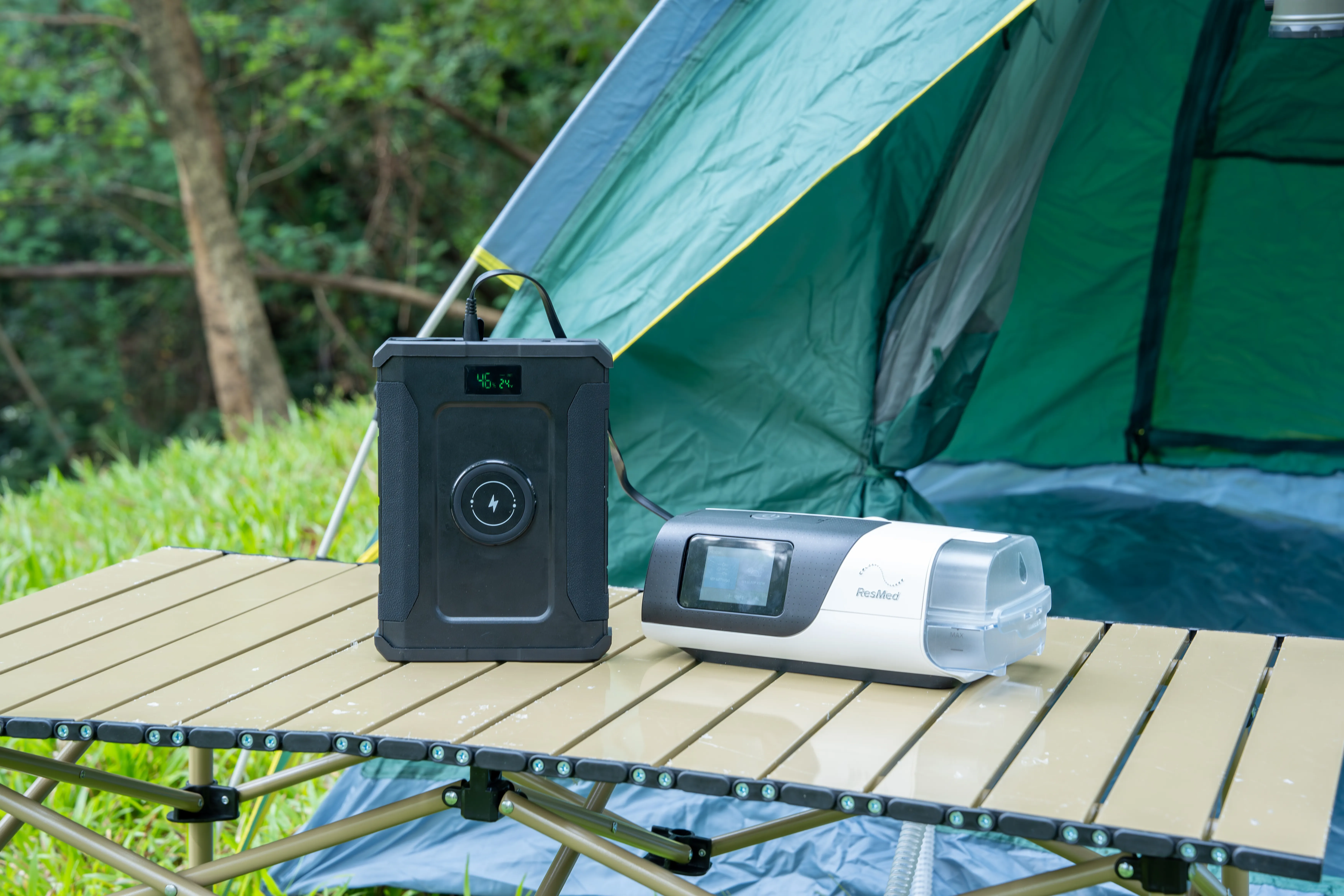
A portable power station gives pontoon owners a simpler way to handle accessories.
Instead of tying everything to the main battery, you can create a dedicated power source for the devices that make the day more comfortable. That makes the system easier to manage and reduces the chance of draining the boat battery too early.
A separate power station helps with:
- running low-to-medium load accessories
- keeping the main battery reserved for boat operation
- avoiding noisy generators
- simplifying setup and removal
- making runtime easier to predict
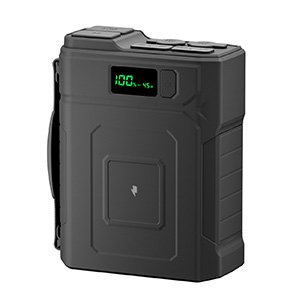
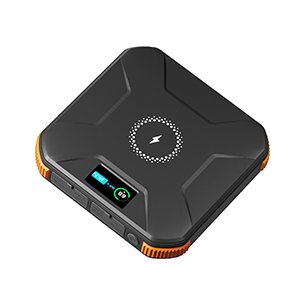
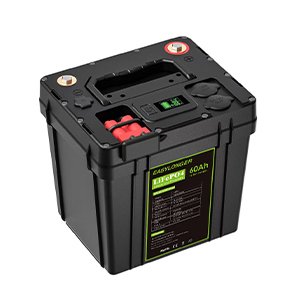
This is where GP70 fits naturally. For pontoon owners, a unit like this gives you a practical way to power the accessories people actually use without complicating the boat’s electrical setup.
4. How do you keep everything charged for a full day of boating?
The easiest way to avoid battery stress is to plan for the whole day, not just the first few hours.
A typical pontoon day may include:
- music from morning to afternoon
- phone charging for photos and navigation
- lights for early departure or evening use
- a fridge or cooler cycling throughout the trip
- cameras or tablets needing top-ups
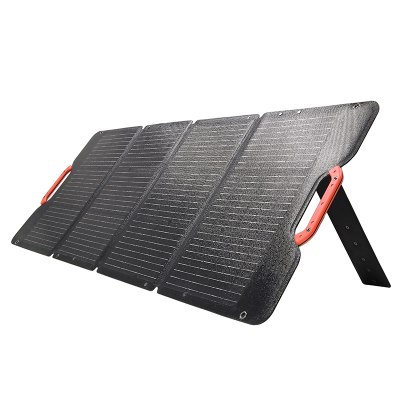
The best approach is to charge the portable power station before leaving, then use it as the accessory hub for the day. If the outing is longer, solar charging can help extend runtime and reduce dependence on shore power.
The key is not peak output alone. It is whether the system can keep going from launch to return.
5. 5 accessories to help you power a pontoon safely
The right accessories make pontoon power easier and safer.
1. Proper charging cables
Use cables matched to the device and output type. A good connection is always better than a loose one.
2. USB and DC adapters
These are the most useful for phones, speakers, lights, and small electronics.
3. Waterproof storage
On the water, keeping the power station dry and secure matters.
4. Solar charging support
For longer days, solar can help top up the system and stretch runtime.
5. Basic monitoring
Knowing how much power remains helps you avoid surprises before the day ends.
6. Original comparison table
| Power Option | Best For | Advantage | Limitation |
|---|---|---|---|
| Main pontoon battery | Boat operation | Already installed | Not ideal for long accessory loads |
| Portable power station | Fridge, stereo, lights, phones | Separate and flexible | Needs pre-charging |
| Generator | Higher-power setups | Strong output | Noisy and less relaxing |
| Solar + power station | Long days on water | Extends runtime | Weather-dependent |
For most pontoon owners, the portable power station is the most practical option for accessory power.
7. Which pontoon accessories are the best fit for portable power?
Not every device belongs on the same setup, but many common pontoon accessories work very well with a portable power source.
Best fits include:
- portable fridges and coolers
- stereos and speakers
- LED deck lights
- phones and tablets
- cameras and charging accessories
- small convenience devices for family boating
These are the loads that benefit most from stable, separate power.
8. Why a portable power station makes the whole day easier
Pontoon boating is supposed to feel relaxed.
A separate power station helps keep it that way by taking accessory loads off the main battery system. It also gives you a more predictable way to manage runtime, which is especially useful if you plan to stay out for a full day.
That is the real value: less battery stress, more time enjoying the boat.
9. Why LB50 fits this use case
For Merpower, pontoon use is a good example of why portable energy should stay simple.
lb50 fits naturally into this kind of scenario because it supports the practical loads pontoon owners care about most: fridges, stereo systems, lights, phones, and other small electronics. It gives users a separate power source that is easier to manage than drawing everything from the boat battery.
That makes it a strong choice for owners who want comfort without overcomplicating the electrical system.
10. Frequently Asked Questions
Can a portable power station run a pontoon fridge?
Yes, as long as the fridge’s power draw fits the capacity and output of the power station. Runtime depends on the fridge size and cycling behavior.
Can it power a stereo for a full day?
Often yes, depending on the stereo draw, volume level, and battery size.
Is it safe to use portable power on a boat?
Yes, if the unit is kept dry, secured properly, and used with the correct cables and outputs.
Why is GP70 a good fit for pontoon power?
Because it gives boat owners a separate, reliable way to power accessories without stressing the main battery system.
11. Conclusion
Pontoon power works best when the system is separated by purpose.
Keep the main battery focused on the boat. Use portable power for the fridge, stereo, lights, and other accessories. That makes the whole day easier, safer, and more enjoyable.
For pontoon owners who want to avoid battery worries, a portable power station like GP70 is a practical way to keep the trip running smoothly.