
















Table of Contents
Introduction
If you’ve spent any time planning a camping trip or upgrading your caravan setup, you’ve probably asked yourself the same question: should you go with a portable power station or a traditional leisure battery?
At first glance, both seem to do the same job—store energy and power your devices. But once you get into real-world use, especially with modern DC-powered gear, the differences become much more important.
Choosing the right setup isn’t just about capacity. It’s about how you travel, what you power, and how simple—or complicated—you want your system to be.
This guide breaks it all down in practical terms, so you can choose a solution that actually works for your camping or caravan lifestyle.
The Differences Between a Power Station and a Leisure Battery
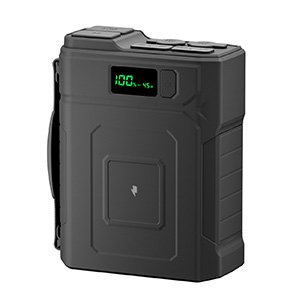
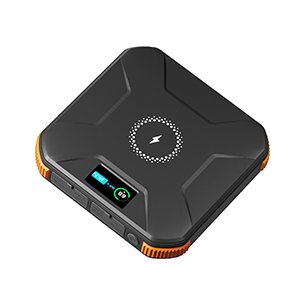
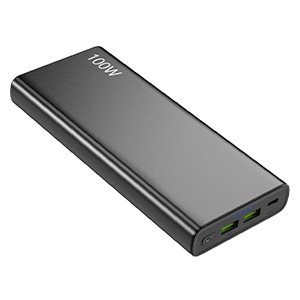
A portable DC power station is an all-in-one system. It combines battery storage, a battery management system (BMS), and multiple output ports into a single unit. You take it out of the box, charge it, and it’s ready to go.
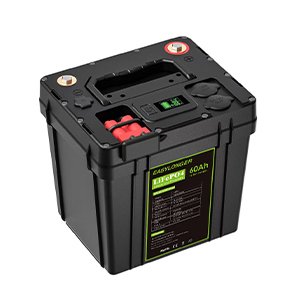
A leisure battery, on the other hand, is just the battery itself—usually a 12V deep-cycle unit. To make it usable, you’ll need to build or install a system around it. That often includes wiring, connectors, charging controllers, and output interfaces.
In simple terms, a power station is a complete solution, while a leisure battery is just one component of a larger setup.
Power Station vs Leisure Battery: Pros and Cons
Portable power stations are designed for simplicity. They’re easy to carry, require no installation, and offer multiple outputs like USB-C, 12V car sockets, and DC ports. Everything is integrated, including safety protections.
Their main limitation is that they are self-contained systems. While some models can be expanded, they’re generally not as customizable as a full battery setup.
Leisure batteries, by contrast, are highly flexible. You can build a system around them that fits your exact needs, and scale it over time. This makes them popular for long-term caravan installations.
However, that flexibility comes at a cost—complexity. Setting up a leisure battery system requires time, knowledge, and often additional components. For many users, this becomes a barrier rather than a benefit.
Which Option Fits Camping and Caravan Travel Better?
The right choice depends heavily on how you travel.
For weekend camping or short trips, a portable power station is usually the better option. It’s quick to set up, easy to transport, and doesn’t require any technical work. You can arrive at your campsite and have power within seconds.
For full-time caravan living or long-term installations, a leisure battery system may make more sense. It allows for larger capacity setups and can be integrated into a permanent electrical system.
If your travel style is flexible—moving between locations, mixing car camping with outdoor activities—a power station offers far more convenience. It adapts to your lifestyle rather than locking you into a fixed setup.
Ease of Use: Plug-and-Play vs Custom Setup
This is where the biggest difference shows up in real life.
A power station is plug-and-play. You charge it, connect your devices, and you’re done. There’s no wiring, no configuration, and no troubleshooting required.
A leisure battery setup, however, requires planning. You’ll need to understand how to connect components, manage charging, and ensure everything works safely together.
For experienced users, this can be a rewarding project. For most people, it’s time-consuming and unnecessary for typical camping needs.
Portability and Space Considerations
If you’re constantly on the move, portability matters.
Power stations are designed to be carried. Many include built-in handles and compact designs, making them easy to move from your vehicle to your campsite, or even onto a boat or dock.
Leisure batteries are typically heavier and intended for fixed installations. Once installed, they’re not meant to be moved frequently.
If your trips involve frequent setup and teardown, a portable solution is far more practical.
Charging Methods and Flexibility (DC Ecosystem)
Modern camping setups rely heavily on DC power, and this is where portable power stations shine.
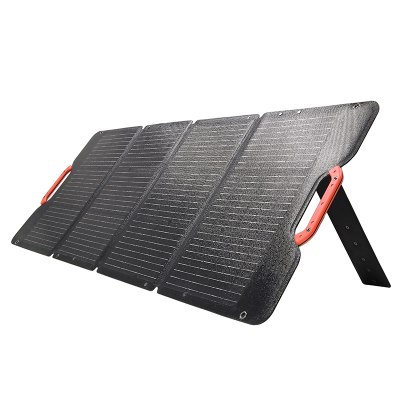
A well-designed power station supports multiple charging methods, including vehicle charging and solar input with MPPT optimization. This allows you to recharge while driving or harness sunlight during the day.
Leisure batteries can also be charged in similar ways, but they require additional components like solar charge controllers and proper wiring. This adds complexity and setup time.
For users who want a clean, efficient system, an integrated DC solution is often the easier path.
How To Choose the Right DC Power Solution for Your Travel Style
Start by looking at what you actually need to power.
Most modern camping gear runs on DC: smartphones, laptops via USB-C, 12V fridges, lighting systems, and other portable equipment. Make sure your power solution supports these outputs directly.
Next, think about how long your trips last. A single overnight trip has very different requirements compared to a multi-day off-grid adventure.
Portability is another key factor. If you move frequently or set up camp in different locations, a compact, all-in-one unit will save time and effort.
Finally, check output compatibility. USB-C fast charging, 12V car sockets, and high-current ports like Anderson connectors are essential for supporting a wide range of devices.
Why Portable Power Stations Matter Beyond the Campsite
A good power setup doesn’t just sit in your caravan. It becomes part of your everyday gear.
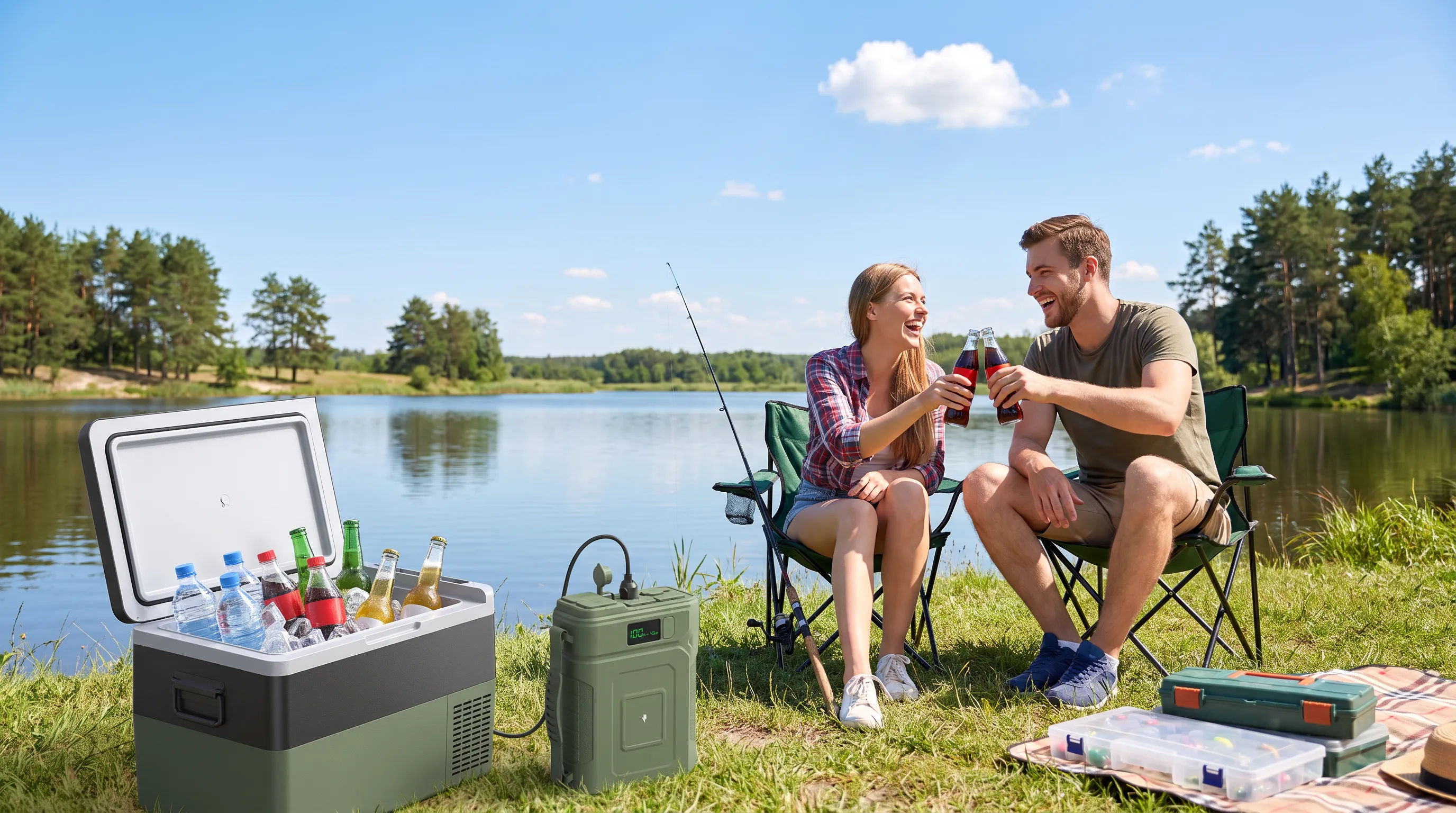
Portable power stations are useful for fishing trips, road travel, outdoor photography, and even as backup power during outages.
Because they are self-contained and easy to transport, they can go wherever you need them—not just where they are installed.
This flexibility adds real value, especially if you enjoy multiple types of outdoor activities.
A Smarter DC Power Solution for Modern Travel
For many campers and caravan users, the shift toward DC-based portable power is about simplifying the entire experience.
Instead of building and maintaining a custom battery system, you get a solution that works right away and supports the devices you actually use.
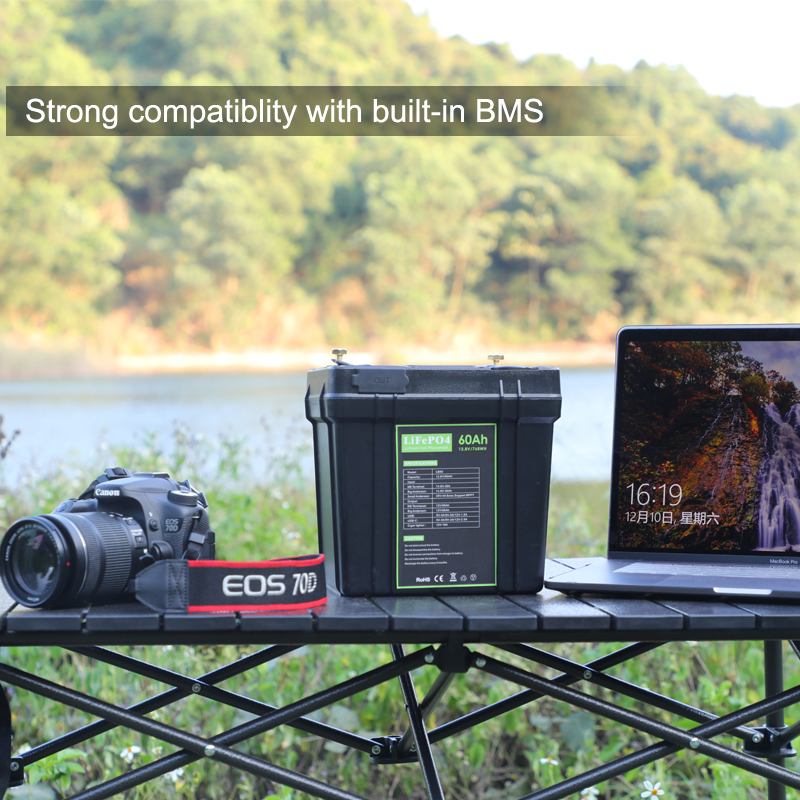
Products like the Merpower GP series are designed with this in mind. They focus on real-world DC applications, offering stable output across USB-C for laptops and mobile devices, 12V car sockets for appliances like portable fridges, and Anderson ports for higher-demand equipment.
This kind of setup allows you to power multiple devices at once without complicated wiring or additional components. It’s especially useful for users who want reliable energy without turning their campsite into a technical project.
With solar compatibility, these systems can also support longer off-grid trips, giving you more freedom to travel without worrying about running out of power.
Compare Your Options and Choose What Fits
There’s no one-size-fits-all answer.
If you prefer simplicity, portability, and fast setup, a power station is the clear choice. It’s designed for real-world use and fits naturally into most camping scenarios.
If you’re building a long-term caravan system and are comfortable with installation and customization, a leisure battery setup may offer more flexibility.
The key is to choose a solution that matches how you actually travel—not just what looks good on paper.
Frequently Asked Questions
Can a power station replace a leisure battery?
For many camping and short-trip scenarios, yes. A power station can provide all the functionality you need without the complexity of a full system.
Can I run a 12V fridge with a power station?
Yes, as long as the unit includes a 12V car socket or compatible DC output.
What is an Anderson port used for?
Anderson ports are designed for high-current devices and provide a stable connection for more demanding equipment.
Is a DC power system enough for camping?
For most modern campers, absolutely. The majority of outdoor gear is designed to run on DC power, making it both efficient and practical.
Conclusion
Choosing between a power station and a leisure battery comes down to how you want to use your power.
If you value convenience, flexibility, and a clean setup, a portable power station offers a straightforward solution that fits modern camping and caravan travel.
If you’re building a permanent system and don’t mind the complexity, a leisure battery setup can provide long-term scalability.
Either way, understanding your needs—and how you actually use power—will lead you to the right decision.