














Introduction
Not long ago, working remotely usually meant finding a coffee shop with reliable Wi-Fi or renting a coworking space in a major city.
Today, things look very different.
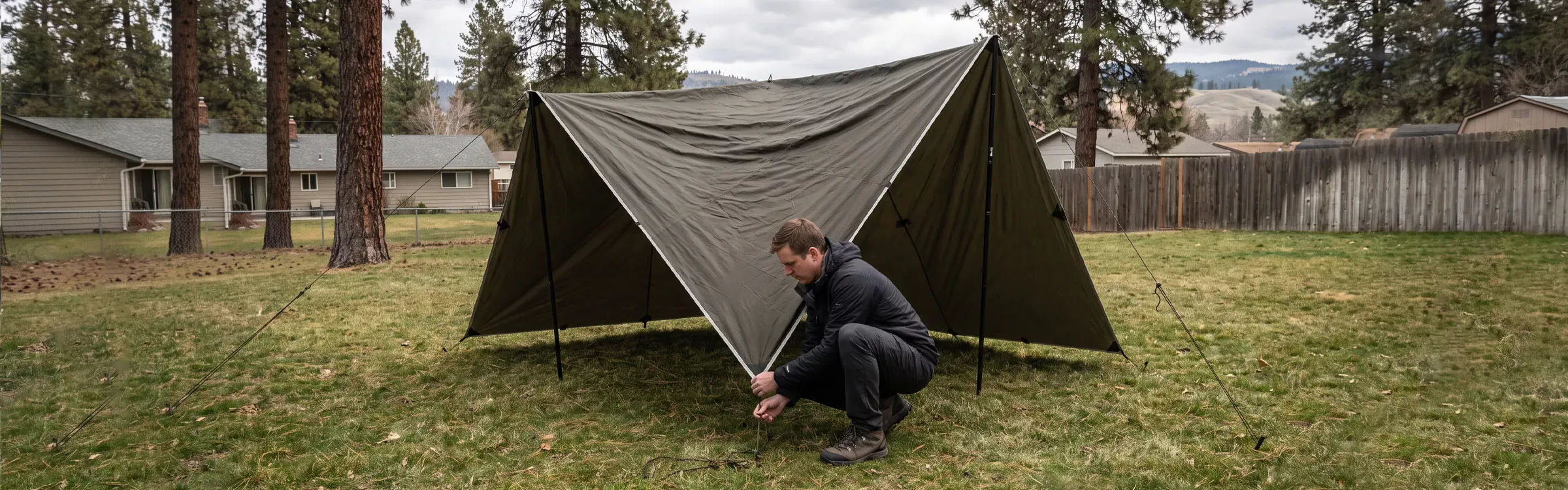
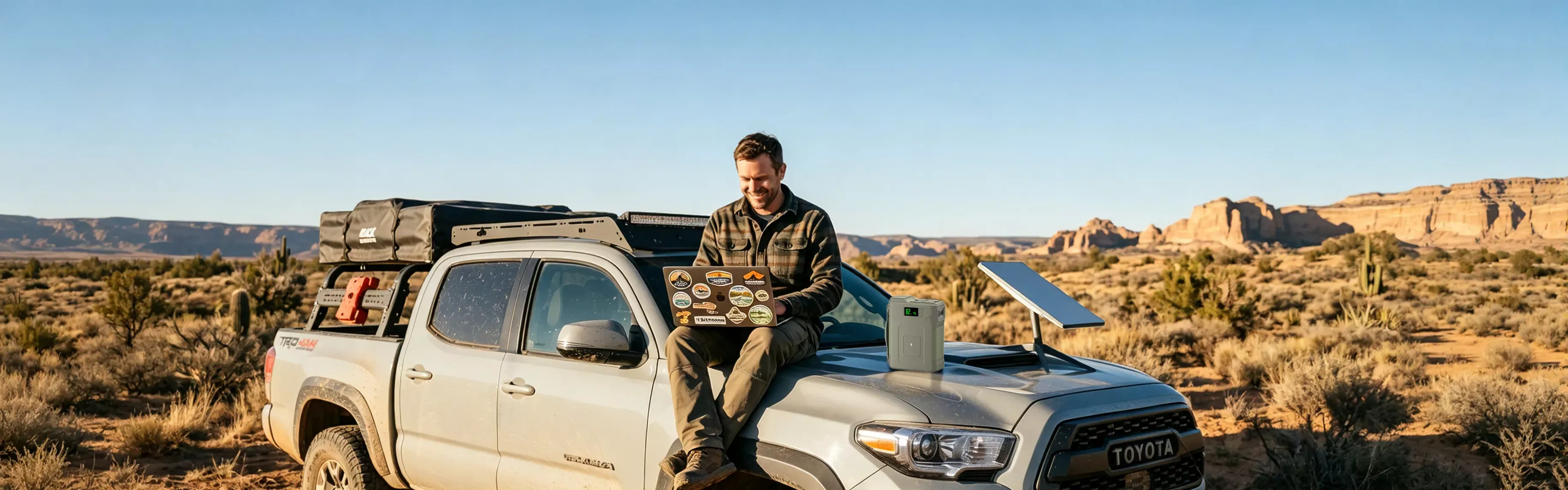
You might find a software developer working beside a mountain lake, a content creator parked near a remote beach, or an entrepreneur spending a month in a quiet national forest campground. Thanks to portable internet and compact energy storage systems, location independence is becoming more practical than ever.
At the center of this shift are two technologies that have fundamentally changed remote work:
- Starlink Mini, which brings internet access to places beyond traditional cellular coverage.
- Portable battery systems, which provide reliable off-grid power for work and daily living.
Together, they are helping fuel a growing lifestyle movement that goes beyond traditional digital nomadism and into something many now call Slowmadism.
The Rise of the Digital Nomad Lifestyle
Why More Professionals Are Working Remotely
Remote work has evolved from a temporary trend into a long-term lifestyle choice.
Professionals across industries are discovering that they no longer need to live near corporate offices to remain productive. With cloud-based software, video conferencing, and online collaboration tools, work can happen almost anywhere.
This flexibility has created a new generation of digital nomads who combine work and travel while maintaining full-time careers.
The Freedom and Challenges of Location Independence
The appeal is obvious:
- Greater freedom
- Flexible schedules
- Reduced commuting
- Access to unique destinations
- Improved work-life balance
But experienced digital nomads quickly discover that freedom comes with challenges.
The two most common problems are surprisingly simple:
- Reliable internet access
- Reliable power
Without both, productivity can disappear quickly.
Why Connectivity and Power Remain the Biggest Obstacles
Many remote locations offer incredible scenery but poor infrastructure.
You may find yourself in a beautiful place only to discover:
- Weak mobile coverage
- No public Wi-Fi
- Limited electrical access
- Expensive campsite hookups
This is where modern off-grid technology becomes essential.
What Is Slowmadism and Why Is It Growing So Fast?
From Fast Travel to Intentional Living
Traditional digital nomads often move frequently, sometimes changing cities every few days or weeks.
Slowmadism takes a different approach.
Rather than constantly traveling, slowmads choose to stay in one location longer—often several weeks or even months.
The goal is not simply to visit more places.
The goal is to experience places more deeply.
Why Digital Nomads Are Becoming Slowmads
Many remote workers eventually discover that constant movement can become exhausting.
Frequent travel creates:
- Planning fatigue
- Transportation costs
- Reduced productivity
- Limited local connections
Slowmadism solves many of these issues by encouraging longer stays and more intentional travel.
The Technology Behind the Lifestyle
The slowmad lifestyle relies heavily on two things:
- Consistent internet access
- Dependable off-grid power
Without them, long-term remote living in rural or outdoor locations becomes difficult.
How Starlink Mini Is Changing Remote Work in Remote Locations
What Makes Starlink Mini Different?
For years, remote workers depended almost entirely on cellular networks.
This worked well in cities but became unreliable in remote areas.
Starlink Mini changes the equation.
Using satellite technology, it allows users to connect to the internet in locations where cellular coverage may be weak or nonexistent.
For many digital nomads, this has opened entirely new possibilities.
Working Beyond Cellular Coverage
Instead of being limited to urban areas, remote workers can now establish temporary offices in places such as:
- National parks
- Remote campgrounds
- Mountain regions
- Coastal locations
- Rural farmland
As long as there is a clear view of the sky, connectivity becomes possible.
Popular Use Cases
Today, Starlink Mini is commonly used by:
- Van lifers
- RV travelers
- Remote consultants
- Outdoor content creators
- Photographers
- Adventure travelers
- Small business owners
But internet access is only half of the equation.
The next challenge is keeping everything powered.
The Hidden Challenge Nobody Talks About: Powering Your Mobile Office
Starlink Mini Needs Power
Many people focus on internet access and forget that satellite communication equipment requires electricity.
Starlink Mini may consume relatively little power compared to larger systems, but it still requires a reliable energy source throughout the day.
Your Work Equipment Also Consumes Power
A typical remote work setup often includes:
- Laptop
- Smartphone
- Camera
- LED lighting
- Tablet
- GPS device
- Wireless hotspot
Each device may seem insignificant on its own.
Together, they create meaningful daily energy demands.
Why Vehicle Batteries Are Not Always the Answer
Some travelers rely on vehicle batteries.
This approach works in certain situations but has limitations.
Draining a vehicle battery can leave you stranded, particularly in remote locations where assistance may not be readily available.
Many experienced travelers eventually add dedicated energy storage systems to separate work power from vehicle starting power.
Choosing the Right Outdoor Battery Pack for a Starlink Mini Setup
Understanding Daily Power Consumption
Before choosing a battery system, it helps to estimate daily usage.
Typical consumption may look something like this:
| Device | Estimated Daily Usage |
|---|---|
| Starlink Mini | 200-400Wh |
| Laptop | 150-300Wh |
| Smartphone | 10-20Wh |
| Camera Batteries | 20-50Wh |
| LED Lighting | 20-40Wh |
Actual numbers vary depending on usage patterns, but the principle remains the same.
A complete remote workspace consumes more energy than many people expect.
Balancing Capacity and Portability
Large power systems provide longer runtime but increase weight and storage requirements.
Smaller battery packs are easier to transport but may require more frequent recharging.
Finding the right balance depends on your travel style.
Why LiFePO4 Batteries Are Often Preferred
For frequent users, LiFePO4 batteries offer several advantages:
- Long cycle life
- Improved safety
- Stable voltage output
- Reliable daily performance
These characteristics make them particularly attractive for people who depend on battery power every day rather than occasionally.
A Real-World Off-Grid Workspace Setup
Morning: Starting the Workday
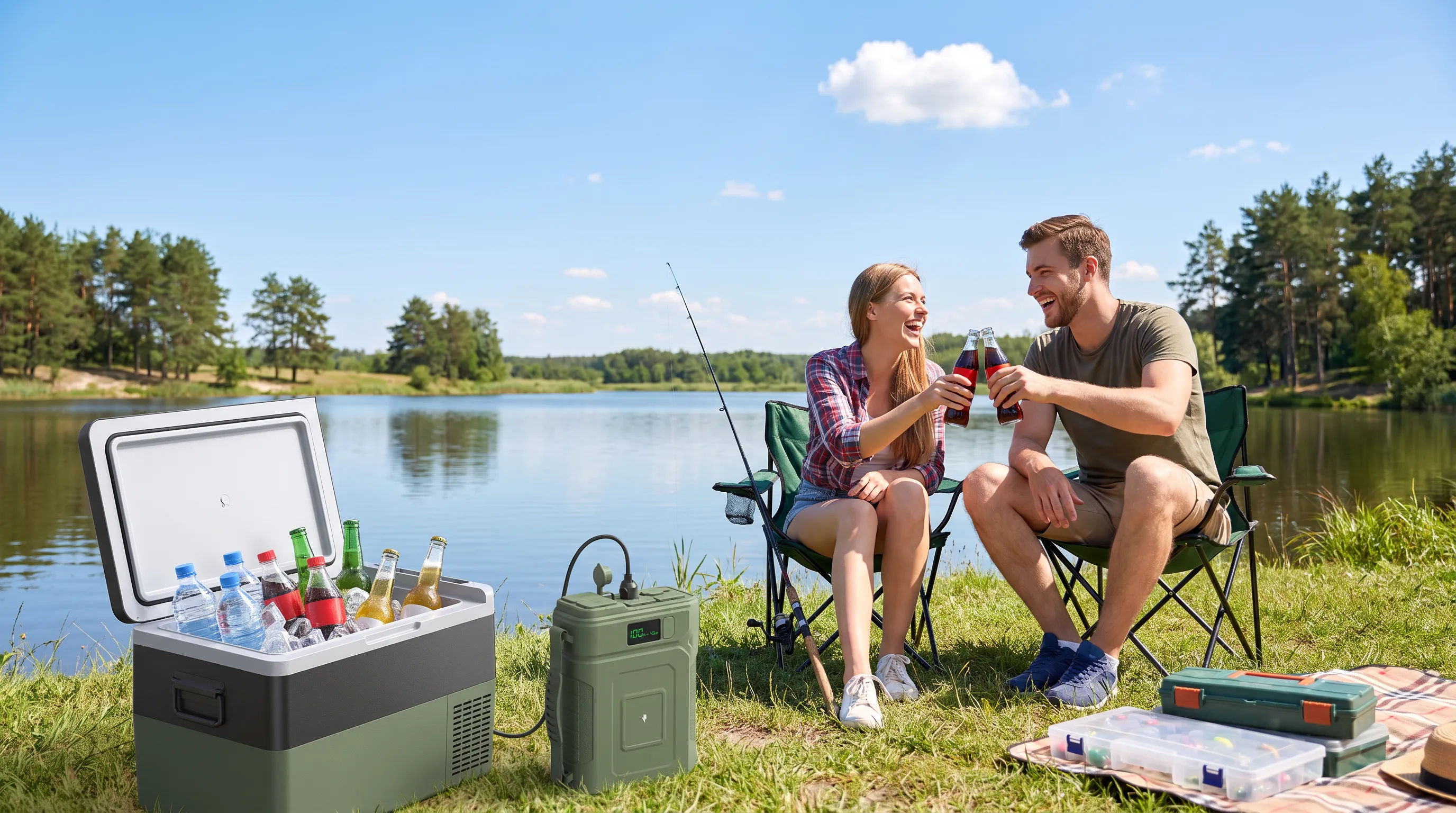
Imagine arriving at a lakeside campsite.
Your Starlink Mini connects within minutes.
The laptop comes out.
Emails, project management tools, and video meetings begin just as they would in a traditional office.
Afternoon: Productivity Without Compromise
As the day continues, power demands increase.
Devices need charging.
Video calls consume bandwidth.
Content creators transfer large files.
Reliable power becomes essential.
Evening: Recharging and Planning Tomorrow
After work ends, the same energy system may support:
- Device charging
- Lighting
- Photography equipment
- Navigation devices
This is where many remote workers appreciate having a dedicated energy solution.
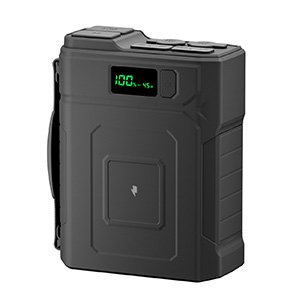
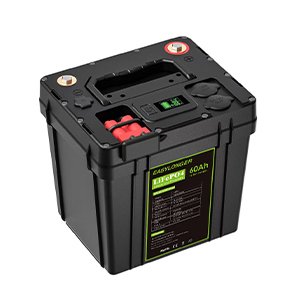
Portable battery systems such as the Merpower GP45SE are designed around these real-world requirements. Its 384Wh LiFePO4 battery capacity supports common remote work equipment while remaining compact enough for vehicle-based travel, camping, and extended outdoor stays.
Overnight Backup
A dependable power source provides peace of mind.
Whether checking weather forecasts, maintaining communication, or preparing for the next day’s work, having stored energy available reduces uncertainty.
Why LiFePO4 Battery Packs Are Becoming the Standard for Mobile Professionals
Long Service Life
Remote workers often cycle batteries daily.
A battery chemistry capable of thousands of charge cycles becomes a significant advantage over time.
Better Safety for Everyday Use
Safety is especially important when power systems are used inside vehicles, tents, RVs, or temporary workspaces.
LiFePO4 chemistry has developed a strong reputation for stability.
Reliable Daily Performance
Consistency matters.
Remote professionals need equipment that performs predictably day after day.
This reliability is one reason LiFePO4 remains the preferred choice in many portable energy applications.
How Solar Charging Extends Off-Grid Freedom
Why Solar Matters for Slowmads
The longer you stay in one location, the more important energy independence becomes.
Solar charging helps reduce dependence on:
- Campground power
- Fuel generators
- Public charging stations
Portable Solar and Battery Systems Work Well Together
Modern solar panels can harvest energy throughout the day while users continue working.
The combination of solar generation and battery storage creates a more self-sufficient setup.
Extending Remote Stays
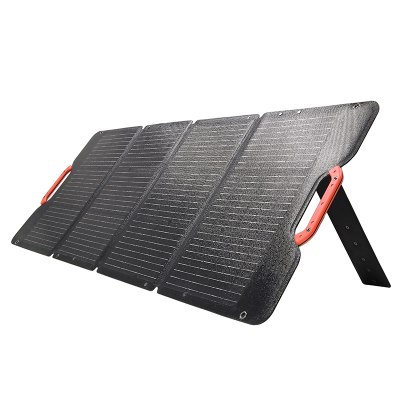
The Merpower GP45SE supports MPPT solar charging with compatible 100W solar panels, allowing travelers to replenish energy while remaining off-grid.
For slowmads spending weeks in remote locations, this capability can significantly extend travel flexibility.
The Future of Remote Work Is Increasingly Off-Grid
Better Internet Access
Satellite internet continues to improve.
Coverage is expanding, equipment is becoming more compact, and setup processes are becoming easier.
Better Portable Power
Battery technology is also advancing rapidly.
Modern LiFePO4 systems provide more capacity, longer lifespan, and greater reliability than many portable solutions available just a few years ago.
More People Choosing Freedom
As remote work becomes increasingly accepted, more professionals are exploring alternatives to traditional office environments.
Some will continue working from cities.
Others will choose forests, mountains, beaches, deserts, and rural communities.
Why Slowmadism May Continue Growing
Many people are discovering that productivity does not require a fixed address.
What it requires is access to two essential resources:
- Reliable internet
- Reliable power
The technologies supporting both are improving every year.
Frequently Asked Questions
Can Starlink Mini run from a portable battery?
Yes. Many users operate Starlink Mini using portable LiFePO4 battery systems designed for outdoor and off-grid use.
How much power does Starlink Mini consume?
Actual consumption varies based on operating conditions, but users should account for daily energy usage when selecting a battery system.
What battery size is best for digital nomads?
The answer depends on workload, number of devices, and trip duration. Many remote workers choose battery capacities that can comfortably support a full workday.
Can solar panels power Starlink Mini?
Yes. A properly sized solar panel and battery combination can support Starlink Mini operation in many off-grid environments.
Why are LiFePO4 batteries popular among remote workers?
LiFePO4 batteries offer long cycle life, strong safety characteristics, and dependable daily performance, making them well-suited for frequent use.
Work From Anywhere Starts With Reliable Power and Connectivity
The evolution from digital nomadism to slowmadism reflects a broader shift in how people think about work, travel, and freedom.
Today, professionals are no longer limited by office locations, cellular coverage maps, or campground electrical hookups.
With tools like Starlink Mini providing connectivity and portable LiFePO4 battery systems such as the Merpower GP45SE providing dependable energy, it is increasingly possible to build a productive workspace almost anywhere.
The dream of working beside a mountain lake, overlooking a quiet coastline, or spending a month immersed in nature is no longer reserved for a small group of adventurers.
For a growing number of remote professionals, it is simply becoming the new way to work.