














Introduction
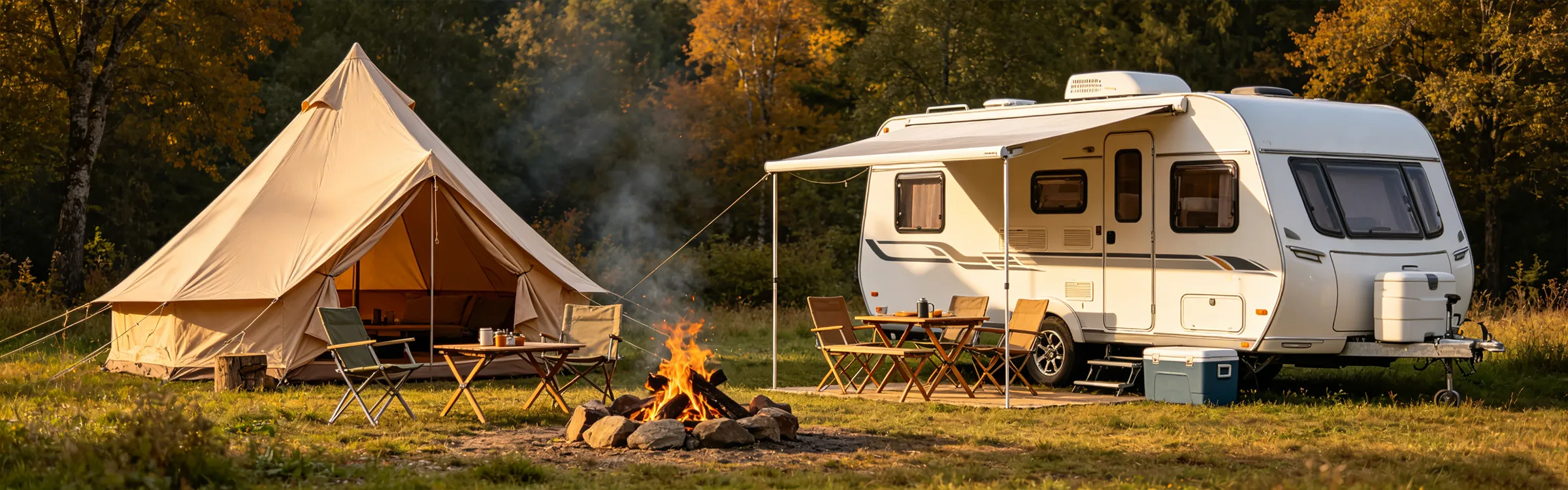
For many people planning an outdoor trip, the first big question is surprisingly simple: should you go tent camping or RV camping?
At first glance, it feels like a choice between “roughing it” and comfort. But once you actually spend time outdoors, you realize the difference goes much deeper than that.
Your camping style affects everything—how you travel, where you stay, how much gear you bring, how flexible your route becomes, and even how you use power outdoors.
Some travelers want complete freedom and a closer connection to nature. Others prefer stable shelter, built-in storage, and a more comfortable long-term setup.
Neither option is universally better. The right choice depends on your travel habits, comfort expectations, trip length, and outdoor experience.
This guide breaks down the real-world differences between tent camping and RV camping so you can choose the setup that actually fits your lifestyle.
Why Camping Styles Are Changing Today
Outdoor travel has changed a lot over the last few years.
Camping is no longer just about survival gear and sleeping bags. Many people now combine outdoor adventure with modern convenience, remote work, digital connectivity, and mobile living.
That shift has expanded the definition of camping itself.
Some travelers prefer minimalist setups that allow them to move quickly between remote locations. Others build full mobile lifestyles around RV travel and extended road trips.
At the same time, portable power systems, compact cooling equipment, and mobile electronics have changed what people expect from outdoor travel.
Today, even tent campers often bring lighting systems, portable fridges, GPS devices, USB-C charging gear, cameras, and communication equipment into the field.
Camping has become more flexible—and power planning has quietly become part of the experience.
The Real Differences Between Tent and RV Camping
What Tent Camping Feels Like
Tent camping is usually the closest experience to traditional outdoor travel.
You sleep closer to nature, carry less equipment, and often gain access to more remote camping areas that larger vehicles cannot reach.
For many campers, that simplicity is exactly the appeal.
Tent camping is generally less expensive upfront and offers greater flexibility when choosing campsites. You can pack quickly, move faster, and adapt your trip more easily.
But it also requires more physical effort. Setting up shelter, dealing with weather changes, and managing outdoor comfort all become part of the daily routine.
What RV Camping Feels Like
RV camping changes the experience completely.
Instead of building a temporary campsite each day, you travel with many of your living essentials already integrated into the vehicle.
Sleeping space, storage, cooking areas, and weather protection are built into the setup.
For families, long-distance road travelers, or older campers, this creates a more stable and comfortable outdoor lifestyle.
But RV travel also comes with tradeoffs.
Fuel costs increase. Campsite availability becomes more restrictive. Vehicle maintenance becomes part of the travel experience. And navigating remote roads is not always simple.
Cost Differences Between Tent and RV Camping
Tent camping is generally more affordable to start.
A basic tent setup costs significantly less than purchasing or renting an RV. Campsites are often cheaper as well.
RV camping, however, may provide more comfort during longer trips, especially when traveling frequently over multiple seasons.
The “better value” really depends on how often you travel and how much comfort matters to you personally.
Comfort and Physical Demands
Sleeping Conditions
This is one of the biggest deciding factors for most people.
Tent camping usually means sleeping on ground pads, air mattresses, or compact camping cots.
Some campers love the experience. Others discover very quickly that uneven ground and changing temperatures can affect sleep quality more than expected.
RV camping offers a more stable sleeping environment with built-in beds and climate protection.
Weather Protection
Weather affects both styles differently.
Tent campers experience temperature changes more directly. Wind, humidity, and rain become much more noticeable.
RV campers benefit from insulated shelter and easier weather management, especially during extended trips.
Still, RV systems are not completely immune to outdoor conditions. Strong heat, cold temperatures, and moisture still create operational challenges during long-term travel.
Physical Setup Effort
Tent camping requires more daily setup and teardown effort.
You carry equipment, build shelter, organize gear, and adapt constantly to the environment.
RV camping reduces much of that physical setup but introduces different responsibilities—vehicle operation, campsite maneuvering, maintenance systems, and utility management.
Both styles involve work. The difference is simply where the effort goes.
Freedom and Flexibility on the Road
Tent Camping Offers Greater Mobility
One major advantage of tent camping is access.
Smaller setups allow campers to reach remote locations more easily, including mountain campsites, forest roads, lakeside areas, and smaller campgrounds.
Tent travelers can often change plans quickly without major logistical concerns.
RV Camping Provides Self-Contained Travel
RV camping offers a different kind of freedom.
You carry more supplies, more storage, and more stable shelter with you at all times.
For long road trips, this can reduce stress significantly because you don’t need to rebuild your environment every night.
Power Access Changes the Entire Experience
This is where modern camping has changed dramatically.
Today’s campers rely heavily on powered devices:
- phones
- GPS units
- portable fridges
- lighting systems
- cameras
- Starlink systems
- CPAP devices
Both tent campers and RV travelers increasingly depend on portable power to stay comfortable and connected outdoors.
Matching the Style to Your Trip Type
Weekend Nature Escapes
Tent camping works extremely well for short trips focused on hiking, nature exploration, and minimal gear.
The setup is lightweight, flexible, and easy to adapt.
Family Road Trips
RV camping is often easier for families because it provides shelter stability, built-in storage, and weather protection.
Managing food, sleeping arrangements, and travel logistics becomes more predictable.
Solo Adventure Travel
Solo travelers often choose based on mobility preferences.
Some prefer the freedom and simplicity of tent camping, while others value the comfort and security of an RV setup during longer journeys.
Off-Grid and Remote Camping
Both styles require reliable power planning once you move away from serviced campgrounds.
This becomes especially important for lighting, refrigeration, communication devices, and overnight charging.
Essential Packing List for Tent Camping
Tent campers usually focus heavily on portability and efficiency.
Basic gear often includes:
- tent
- sleeping bag
- cooking equipment
- portable lighting
- compact cooling systems
- backup power
Portable power has become particularly important because remote campsites rarely provide stable electricity access.
Many campers now rely on compact DC power systems to support lighting, charge mobile devices, run portable fridges, and keep essential outdoor electronics operating overnight.
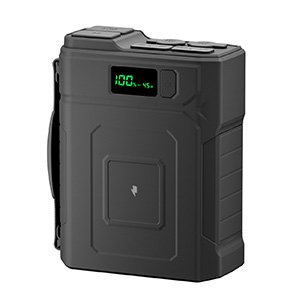
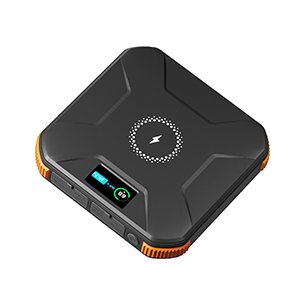
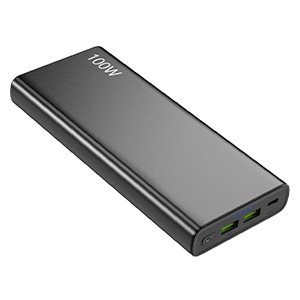
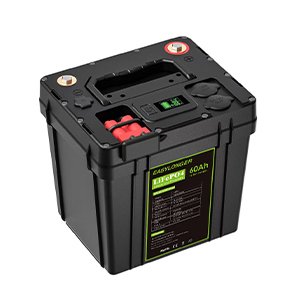
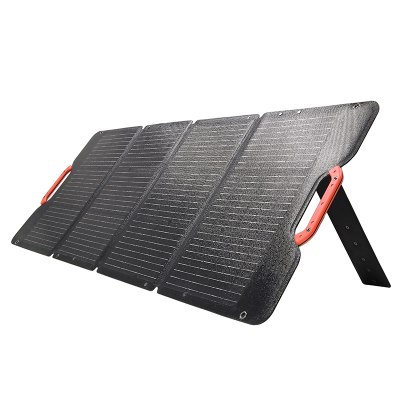
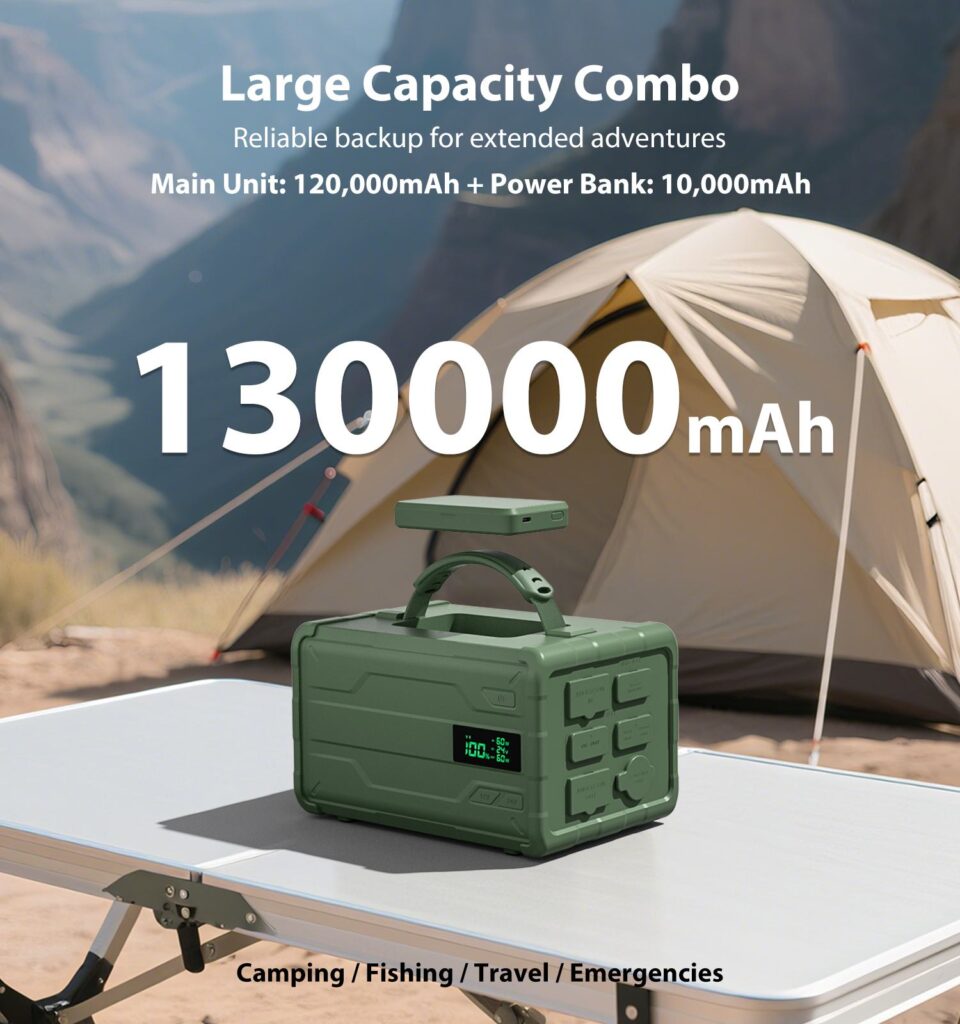
Portable systems like the Merpower GP series are designed around this kind of flexible outdoor usage. With USB-C charging, 12V car socket support, and portable DC outputs, these systems simplify power management without adding excessive setup complexity.
For tent campers, that flexibility can make multi-day trips much more comfortable.
Essential Packing List for RV Camping
RV travelers often carry:
- water supplies
- cooking systems
- vehicle maintenance tools
- outdoor furniture
- external lighting
- backup battery systems
Interestingly, portable power stations are becoming more common in RV travel as supplemental outdoor energy systems.
Instead of relying entirely on vehicle-integrated systems, many travelers now use portable DC power outside the RV itself—for cooking areas, lakeside setups, fishing spots, or outdoor workstations.
That flexibility is becoming increasingly valuable during modern road travel.
Why Portable Power Has Become Important for Both Camping Styles
Modern camping depends on electricity far more than it used to.
Even minimalist campers typically carry multiple rechargeable devices now.
But traditional generators often create problems:
- noise
- fuel management
- emissions
- campsite restrictions
Portable DC power systems solve many of these issues more cleanly.
They provide quiet energy for lighting, refrigeration, communication devices, and mobile electronics without disrupting the outdoor experience itself.
For many campers, portable power is no longer emergency equipment. It has become part of normal trip planning.
Portable Power Solutions for Modern Camping Travel
One noticeable trend in outdoor travel is the move toward flexible DC-based energy systems.
Campers want power that works across multiple environments:
- campsites
- vehicles
- fishing spots
- outdoor cooking areas
- mobile work setups
Portable systems like the Merpower series are designed around these real-world outdoor scenarios rather than fixed indoor environments.
Instead of complicated installation, users can quickly connect lighting systems, portable fridges, USB-C devices, and outdoor equipment directly through integrated DC outputs.
This type of setup works particularly well for both tent campers seeking lightweight flexibility and RV travelers needing supplemental outdoor power away from the vehicle itself.
Quiet operation also changes the atmosphere significantly. Without generator noise, campsites feel calmer and more connected to the environment.
Practical Tips Before Choosing Tent or RV Camping
Before investing heavily in equipment, it helps to think realistically about your travel habits.
How far do you usually travel?
How often will you camp each year?
Do you prioritize mobility or comfort?
How much power will your devices actually require?
Starting small is usually the smartest approach. Many experienced campers gradually refine their setup over time instead of buying everything immediately.
Outdoor travel becomes much easier once your equipment matches your real usage patterns.
Frequently Asked Questions
Is tent camping cheaper than RV camping?
Generally, yes. Tent camping requires less initial investment and lower operating costs.
Is RV camping more comfortable?
For most people, yes—especially during long trips or difficult weather conditions.
Do tent campers need portable power?
Increasingly, yes. Modern camping often involves lighting, refrigeration, navigation devices, and mobile electronics.
Can portable power stations support RV travel?
Absolutely. Many RV travelers now use portable DC power systems as flexible supplemental energy sources outdoors.
Start Planning Your Next Camping Trip
There’s no perfect camping style for everyone.
Some travelers feel most comfortable sleeping under the stars with minimal gear. Others enjoy the convenience and stability of a fully equipped RV setup.
What matters most is choosing a system that fits how you actually travel—not how social media says camping should look.
And regardless of which style you choose, reliable portable power has become one of the most practical upgrades for modern outdoor travel.
Whether you’re setting up a tent beside a mountain lake or parking an RV near the coast, stable portable energy can make the entire experience smoother, safer, and far more comfortable.