Introduction
Information checked: November 4, 2026. Outlooks and road conditions change; check current official information before traveling.A weather map highlights possible winter precipitation across part of the country. Your trip crosses a mountain pass. Does that mean the road will be covered in snow—or that you should cancel?The map alone cannot answer those questions.NOAA publishes several products covering different time periods and weather variables. A winter-weather probability map, a temperature outlook, and a precipitation outlook serve different purposes.Understanding those differences helps you decide what to check next. From there, you can prepare your vehicle, arrange backup power for essential devices, and plan for a possible interruption to travel or home heating.
First, Identify the NOAA Map You Are Reading
WPC Winter Weather Outlooks Describe Specific Probabilities
NOAA’s Weather Prediction Center, or WPC, produces a Day 4–7 Winter Weather Outlook.This product describes the probability that snow or sleet will exceed a specified liquid-water-equivalent threshold during a defined 24-hour period. Its threshold is more than 0.25 inches of water equivalent.
Water equivalent is not snowfall depth. It describes the amount of water represented by the frozen precipitation. You cannot read that threshold as 0.25 inches of snow or convert it into one guaranteed snow depth.The probability also does not establish whether a particular road will close. Elevation, precipitation type, pavement conditions, timing, and road operations all matter.
CPC Outlooks Describe Temperature and Precipitation Patterns
NOAA’s Climate Prediction Center, or CPC, publishes 6–10-day, 8–14-day, monthly, and seasonal outlooks.These describe the likelihood of temperature and total precipitation falling into categories relative to normal for the period. They do not provide a route-specific snowfall forecast.For example, the CPC discussion issued November 3, 2026, covered November 9–13 and November 11–17. The earlier period favored warmer-than-normal conditions across the West and increased chances of above-normal precipitation along northern and central parts of the West Coast.Those signals do not identify a snowstorm at a particular mountain pass. They also do not describe conditions on November 4.The updated November monthly outlook similarly provides broad tendencies, including increased precipitation chances in parts of the West and Southwest. It does not specify snowfall totals for individual destinations.
Check the Issue Date, Valid Period, and Legend
Before interpreting any shared map, find its original title, issue date, valid period, geographic coverage, and legend.A screenshot may remain online after its forecast period has passed. A monthly outlook may also be shared alongside a short-range forecast without explaining the difference.
| Information source | Useful question | What it cannot establish alone |
|---|
| WPC winter-weather outlook | Could a specified winter-precipitation threshold be exceeded? | Whether your road will close |
| CPC longer outlook | Which temperature or precipitation categories are favored? | Snowfall on a particular day |
| Local NWS forecast and alerts | What weather impacts are expected near the destination? | Whether every road is open |
| State transportation information | What closures and restrictions currently apply? | That conditions will remain unchanged |
Use each source for the question it is designed to answer.
Turn a Regional Outlook Into a Route-Specific Decision
Check the Mountain Pass, Not Only the Nearest Town
A forecast for a nearby city may poorly represent a much higher road crossing.Check locations along the actual route, including the highest pass and the destination. Look for forecast snow levels, precipitation timing, wind, and visibility.Rain at lower elevations does not establish what will fall farther uphill. Similarly, clear conditions at the departure point do not describe the whole drive.
Look Beyond the Snowfall Total
Travel disruption can involve more than deep snow.Icing, blowing snow, strong wind, and poor visibility may affect a route even when the expected accumulation sounds modest. Seasonal closures can also apply independently of a new storm.Check how the weather overlaps your departure and return times. A forecast improvement later in the day does not make an earlier crossing suitable.There is no universal snowfall amount below which all mountain travel is safe.
Recheck Before Departure and Before Entering the Mountains
Use longer outlooks to identify preparation needs. As departure approaches, shift attention to local forecasts, warnings, and transportation updates.Check again before entering the mountain section. Respect closures, restrictions, and instructions from road authorities.If conditions exceed your vehicle preparation or driving experience, delay nonessential travel or choose an appropriate alternative.
Prepare the Vehicle Before the Weather Changes
Check Traction Requirements for the Actual Route
Traction rules vary by state, road, vehicle, and active restriction.Confirm tire requirements, whether chains or approved alternatives must be carried or installed, and which devices your vehicle manufacturer permits.AWD or 4WD does not automatically exempt a vehicle from every chain restriction. Check official transportation information and roadside instructions.Practice fitting approved equipment before the trip, using the vehicle and traction-device instructions. A snowy roadside is a difficult place to learn.
Pack for a Delay as Well as the Drive
Carry supplies for the people traveling, including children and anyone with additional needs.Useful items include:
- Warm layers, gloves, hats, and blankets.
- Drinking water and convenient food.
- Necessary medicines and personal supplies.
- A flashlight or headlamp.
- Charged phones, suitable cables, and backup power.
- An ice scraper, snow brush, and compact shovel.
- Appropriate warning equipment and vehicle emergency supplies.
Keep essential items accessible rather than buried beneath luggage.Inspect tires, lights, wipers, and the vehicle’s condition before departure. Preparation is easier before a weather warning becomes urgent.
Keep Fuel or Driving Range in Reserve
Allow for queues, detours, and longer journey times.Keep adequate fuel or battery charge, and check charging availability where relevant. Avoid planning a winter mountain journey around arriving with almost no reserve.If stranded, contact assistance and generally stay with the vehicle unless remaining there is unsafe or responders direct otherwise. Avoid exhausting yourself attempting to free it.Snow-blocked exhaust outlets create a carbon-monoxide hazard. Follow official guidance on vehicle heating; do not assume continuous idling is safe.
Plan Backup Power for Communication and Lighting
Decide Which Devices Matter During a Delay
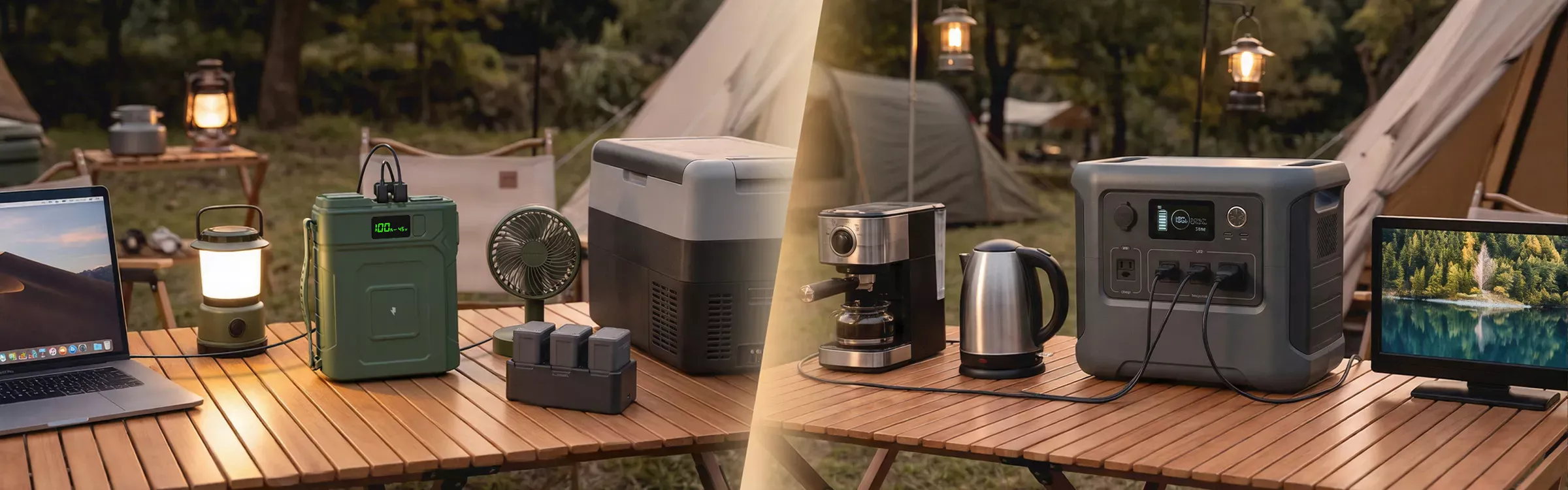
A useful backup-power plan begins with a short priority list.Phones support contact, alerts, and navigation. Rechargeable lights help with organizing belongings and seeing inside accommodation during an outage.Save offline maps and important details before leaving. Battery power cannot create mobile coverage where none exists.Check charging cables and connections at home, and keep entertainment demand secondary when the remaining energy is limited.
Where the Merpower GP35SE Fits
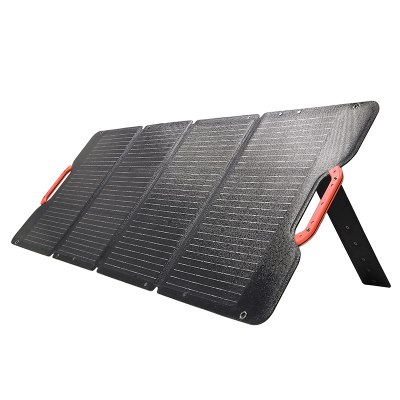
The
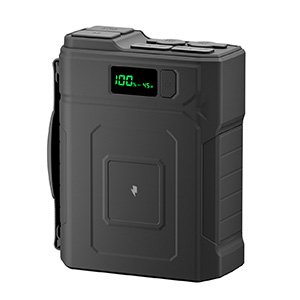
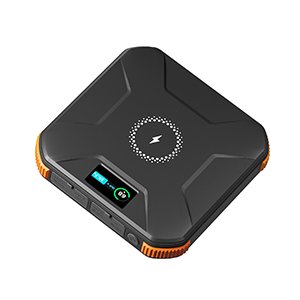
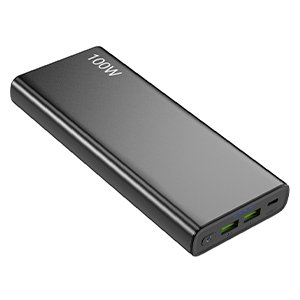
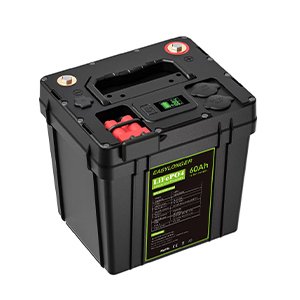
Merpower GP35SE has a
192Wh LiFePO4 battery pack with USB-C and USB-A outputs for compatible equipment.During a trip, it can provide a charging reserve for compatible phones and USB-rechargeable lights at an appropriate stopping place. At accommodation, it can help replenish small devices during a short outage.Check each device’s input requirements and use suitable cables. The rated capacity does not guarantee a particular number of charges or operating hours.Actual performance depends on the equipment, charging losses, operating conditions, and other connected loads. Individual port ratings should not be added together to assume a combined output capability.
Keep the Battery Within Its Operating Conditions
Keep the battery and connections dry, stable, and clear of snow and pooled water. Follow the product’s placement and ventilation instructions.Charging and discharging temperature limits can differ. A battery that can still supply power in cold conditions is not automatically ready to accept a charge.If it has been left in a cold vehicle, follow the manufacturer’s temperature and moisture guidance before charging. Do not use direct heat to warm it rapidly.Cold-weather operation should be based on documented specifications, not an assumed protection feature.
Prepare the Home for an Outage and Loss of Heat
Separate Small-Device Backup From Heating Power
Charging a phone and operating a heating system are different requirements.A small-device battery reserve does not establish that you can power an electric heater, furnace controls, circulation pump, or other heating equipment.Heating backup needs a separate assessment of electrical requirements, runtime, connections, and installation. Even fuel-fired heating may depend on electricity for some functions.The GP35SE should be considered for compatible small-device support, rather than treated as a household heating solution.
Use Heating Equipment as Intended
Prepare warm clothing and bedding, and follow local guidance for maintaining a safe indoor environment.Use heating equipment only as intended. Keep combustible materials at least three feet away from portable heaters and similar heat sources, and turn portable heaters off before leaving the room or going to bed.Never use an oven to heat the home. Do not bring charcoal grills or outdoor fuel-burning equipment indoors.Maintain working smoke and carbon-monoxide alarms. Follow the installation and ventilation requirements for any approved heating equipment.
Keep Fuel Generators Outdoors
Fuel-powered generators produce carbon monoxide.Operate them outdoors, at least 20 feet from doors, windows, and vents, following the manufacturer’s instructions. Never run one inside a home, garage, basement, tent, or other enclosed shelter, even with doors open.For compatible phones and rechargeable lighting, battery power offers an option without combustion exhaust during use. It still requires correct placement, suitable loads, and operation within product limits.A small battery reserve and a fuel generator have different capabilities. Choose the equipment around the actual need.
Know When to Seek a Warmer, Safer Location
Do not wait until every battery is empty to consider the household’s next step.If indoor conditions become unsafe, heating cannot be restored, or someone requires additional support, contact local services and arrange a suitable warmer location when travel is safe.Follow evacuation and shelter guidance. Portable power can support communication, but it cannot replace a safe environment.
Conclusion
NOAA outlooks help identify developing patterns and possible preparation needs. Local forecasts, warnings, road information, and official instructions help turn that awareness into decisions.For early November mountain travel, prepare the vehicle, pack for delays, and keep essential devices charged. At home, plan for lighting and communication alongside a separate response to heating loss.Each preparation serves a purpose. Together, they make changing winter conditions easier to manage.
FAQs
Does NOAA’s Precipitation Outlook Predict Snowfall?
CPC precipitation outlooks describe total precipitation categories relative to normal. They do not determine whether precipitation will fall as rain or snow at a particular location.
Does a Warmer-Than-Normal Outlook Rule Out Mountain Snow?
No. A period can average warmer than normal and still include snow. Elevation and the conditions during an individual weather event remain important.
How Far Ahead Can You Plan Around a Snow Forecast?
Longer outlooks can prompt preparation, while local forecasts become more useful for event details as the trip approaches. Recheck conditions rather than relying on one early map.
Do AWD Vehicles Still Need to Follow Chain Restrictions?
Yes. Applicable restrictions depend on the jurisdiction, route, vehicle, and conditions. AWD does not provide a universal exemption.
What Should You Pack for a Snow-Related Road Delay?
Include warm clothing, blankets, water, food, personal supplies, lighting, communication equipment, and suitable vehicle emergency tools. Adjust the kit to passengers and route.
Can the GP35SE Power a Heater During an Outage?
Do not assume compatibility. It is not a general household heating backup. Use it for compatible devices within its documented output limits and assess heating separately.
Can You Charge a Portable Battery After It Has Been Left in a Cold Car?
Only when it meets the manufacturer’s charging conditions. Check temperature and moisture requirements before connecting a charger, and avoid rapid warming with direct heat.