

















Introduction
Traveling with a CPAP machine can feel stressful—especially if you rely on it for a full night’s sleep. One of the most common concerns is simple but critical: can you actually use a CPAP machine on a plane?
The short answer is yes—but only if you understand airline rules, battery limitations, and how to properly power your device during the flight. Without the right setup, you may find yourself unable to use your CPAP when you need it most.
This guide walks you through everything you need to know, from airline policies to choosing the right portable power solution, so you can travel with confidence and sleep comfortably in the air.
Can You Use a CPAP Machine on a Plane?
Yes, CPAP machines are generally allowed on airplanes. Most airlines recognize them as medical devices, which means you can bring them on board and, in many cases, use them during the flight.
However, approval does not mean unlimited use. Each airline may have slightly different requirements regarding when and how CPAP machines can be used. Some allow usage throughout the flight, while others may restrict use during takeoff and landing.
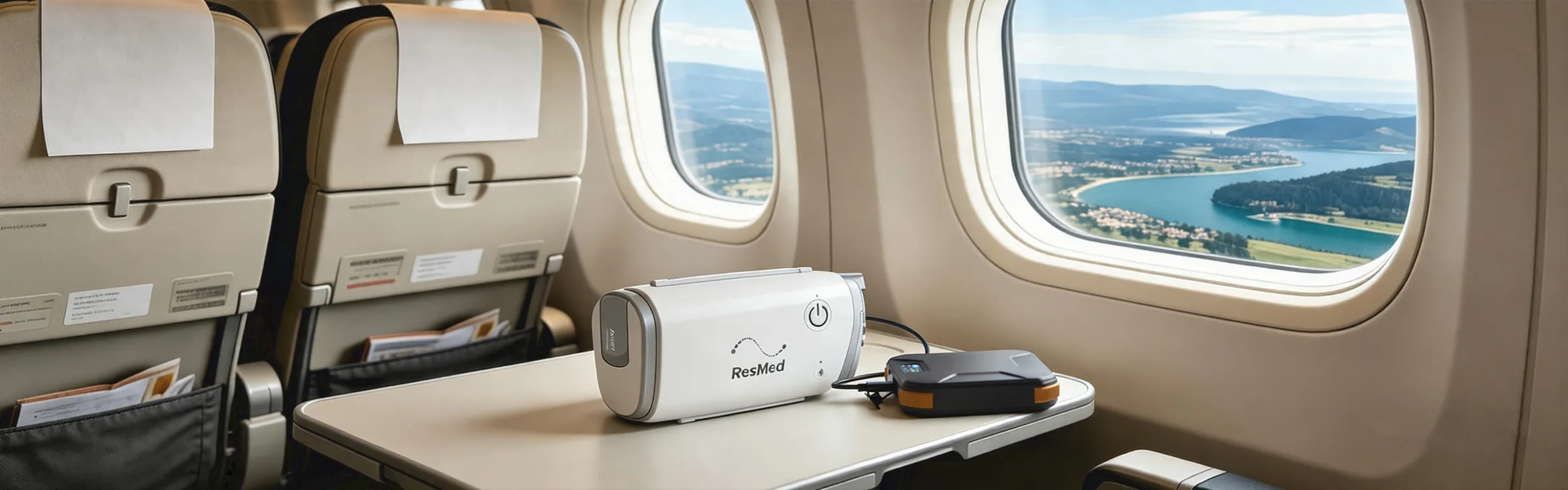
Portable and travel-friendly models are usually easier to manage in-flight. Compact devices like ResMed AirMini are especially popular among frequent travelers because they are lightweight, energy-efficient, and designed specifically for mobility.
Airline Rules and Medical Device Policies
Before flying, it’s important to understand how airlines handle CPAP machines and related equipment.
Most airlines allow CPAP devices as carry-on medical equipment, and they typically do not count toward your standard baggage allowance. However, you must keep the device with you at all times—never place it in checked luggage.
Battery regulations are where things become more important. Aviation authorities such as the FAA have clear rules for lithium batteries. Batteries under 100Wh are generally allowed in carry-on luggage without special approval, while larger batteries may require airline authorization.
This is a key consideration when choosing your power solution. Staying within the 100Wh limit makes your travel experience significantly smoother, especially during security checks and boarding.
Some airlines may also require advance notice if you plan to use your CPAP during the flight. In certain cases, a medical certificate or device specification sheet may be requested, particularly for long-haul flights.
Can You Rely on Power Outlets on a Plane?
Many travelers assume they can simply plug their CPAP machine into the airplane seat power outlet. In reality, this is not a reliable solution.
Not all aircraft provide power outlets, and even when they do, availability is often limited to certain seats or cabin classes. Economy class passengers may not have access at all.
Even if a power outlet is available, compatibility can be an issue. Voltage output may vary, and plug types may not match your device. More importantly, airlines do not guarantee continuous power supply during the flight.
For medical devices like CPAP machines, this uncertainty can be risky. Relying solely on onboard power is not recommended.
Why a Portable CPAP Battery Is Essential for Flying
A dedicated CPAP battery ensures that your therapy continues uninterrupted, regardless of flight conditions.
During long flights, losing power even briefly can disrupt your sleep and affect your health. A portable battery gives you full control over your device, allowing you to use it whenever needed without depending on airline infrastructure.
It also provides flexibility. Whether you’re in transit, waiting at the airport, or dealing with delays, having your own power source ensures you’re never without support.
For frequent travelers, a portable power solution is not just a convenience—it’s a necessity.
Choosing the Right CPAP Machine for Air Travel
Not all CPAP machines are equally suited for travel. Larger, traditional units tend to consume more power and are less convenient to carry.
Portable models are designed specifically for mobility and efficiency. Devices like the ResMed AirMini are compact, lightweight, and optimized for lower power consumption, making them ideal for use on airplanes.
Another important tip is to turn off heated humidifiers when flying. While they improve comfort, they significantly increase power consumption. Disabling them can extend battery runtime and make your setup more practical for long flights.
How to Choose a CPAP Battery That Meets Airline Rules
When selecting a battery for CPAP use on a plane, capacity is the most important factor.
Airline regulations generally allow lithium batteries under 100Wh in carry-on luggage without special approval. Choosing a battery within this range helps you avoid complications at security checkpoints and ensures compliance with airline policies.
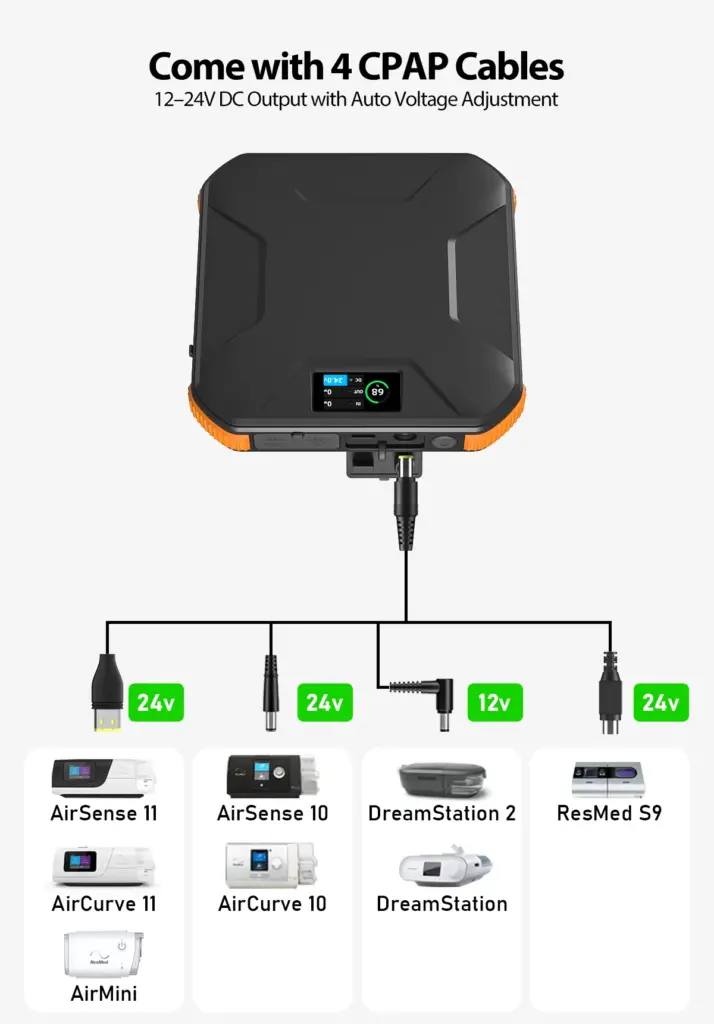
Beyond capacity, you should also look for compatibility. Your battery should support the correct output for your CPAP machine, typically 12V DC, and provide stable, consistent power.
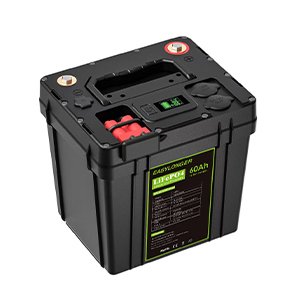
Safety is another key consideration. High-quality battery cells, such as LiFePO4, offer better stability and longer lifespan, which is especially important for medical applications.
A Smarter Travel Setup: Lightweight CPAP + Airline-Friendly Power
For most travelers, the best approach is to combine a compact CPAP device with a lightweight, airline-compliant power solution.
Instead of carrying bulky, high-capacity batteries that may exceed airline limits, many users prefer smaller, efficient power options that meet regulatory requirements while still providing reliable performance.
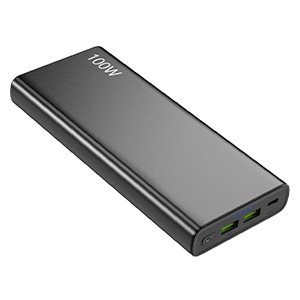
A power solution in the sub-100Wh category strikes the right balance. It is easy to carry, does not require airline approval, and can support essential CPAP usage during flights.
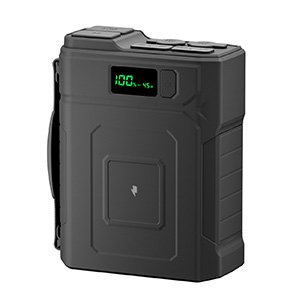
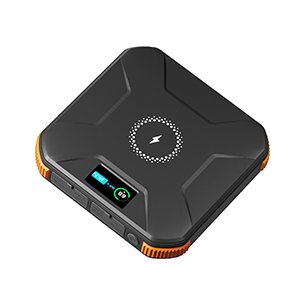
Products like the GP16 are designed with this exact use case in mind. With a capacity under 100Wh, it fully complies with airline carry-on regulations while offering stable output for devices like travel CPAP machines.
This type of setup—combining a device like the AirMini with a compact, compliant power source—creates a practical and stress-free travel experience.
Practical Tips for Using CPAP on a Plane
Preparation makes a significant difference when traveling with a CPAP machine.
Always contact your airline in advance to confirm their specific policies. While general rules are similar, details can vary.
Test your setup before the trip. Make sure your CPAP machine and battery work together properly and that you understand how long the battery will last.
Disable unnecessary features such as humidifiers to conserve power. Bring all necessary cables and adapters, and consider packing a backup battery if your flight is long.
Choosing the right seat can also help. A window seat may provide more space and privacy for using your device comfortably.
Frequently Asked Questions
Can I use a CPAP machine without a battery on a plane?
It is not recommended. Airplane power outlets are not always available or reliable, so having your own battery is the safest option.
Is a 100Wh battery allowed on flights?
Yes, most airlines allow lithium batteries under 100Wh in carry-on luggage without special approval.
How long will a CPAP battery last during a flight?
Battery life depends on your CPAP model and settings. Energy-efficient devices like travel CPAP machines typically last longer.
Can I bring multiple CPAP batteries?
Yes, but you must follow airline regulations regarding the number and capacity of batteries.
Conclusion: Fly Comfortably with the Right CPAP Setup
Using a CPAP machine on a plane is entirely possible—but only if you plan ahead. Understanding airline policies, choosing the right equipment, and preparing a reliable power solution are all essential steps.
The key is not just bringing your CPAP machine, but ensuring you can power it safely and consistently throughout your journey.
By combining a travel-friendly device like the AirMini with an airline-compliant battery solution such as the GP16, you can eliminate uncertainty and focus on what matters most—getting the rest you need, no matter where you fly.