
















Table of Contents
Introduction
Freshwater fishing is one of the most accessible and rewarding outdoor activities in the United States. From small farm ponds and local reservoirs to large lakes and winding rivers, there are countless opportunities to catch fish and enjoy time outdoors.
Yet many beginners quickly discover that successful fishing involves more than simply casting a line into the water. Choosing the right gear, understanding fish behavior, planning your trip, and staying prepared for changing conditions can make the difference between a frustrating day and one filled with memorable catches.
In this guide, you’ll learn the essential freshwater fishing gear, practical fishing tips, trip-planning strategies, and power solutions that can help you spend more time fishing and less time dealing with problems.
Why Freshwater Fishing Is the Perfect Outdoor Hobby
Accessible Waters Across the United States
One of the biggest advantages of freshwater fishing is accessibility. Unlike offshore fishing, you don’t need a boat or specialized equipment to get started.
Popular freshwater fishing locations include:
- Lakes
- Rivers
- Reservoirs
- Ponds
- Streams
- Public parks with fishing access
Many excellent fishing spots are only a short drive from major cities.
Popular Freshwater Species for Beginners
Some fish species are particularly beginner-friendly because they’re widely available and relatively easy to catch.
Common freshwater species include:
- Largemouth Bass
- Smallmouth Bass
- Bluegill
- Crappie
- Catfish
- Rainbow Trout
- Yellow Perch
Learning the habits of these fish can significantly improve your success rate.
What Makes Freshwater Fishing Different from Saltwater Fishing
Freshwater fishing typically involves lighter tackle, smaller fishing areas, and simpler equipment requirements. Fish behavior is also more closely tied to seasonal water temperatures, vegetation, underwater structure, and weather patterns.
Understanding these factors helps anglers locate fish more consistently.
Building a Reliable Freshwater Fishing Setup
Choosing the Right Rod and Reel
For most beginners, a medium-light spinning combo offers the best balance of versatility and ease of use.
A quality spinning setup works well for:
- Bass fishing
- Crappie fishing
- Bluegill fishing
- Trout fishing
It also handles a wide range of lures and fishing conditions.
Fishing Line Basics
Monofilament remains one of the easiest fishing lines for beginners.
Typical recommendations include:
- 4–6 lb test for panfish and trout
- 8–10 lb test for bass
- 10–15 lb test for larger catfish
Using line that is too heavy often reduces casting distance and lure action.
Hooks, Weights, and Terminal Tackle
A simple tackle box should include:
- Assorted hooks
- Split-shot weights
- Swivels
- Bobbers
- Jig heads
These inexpensive items cover most freshwater fishing situations.
Beginner-Friendly Lures and Live Baits
Reliable bait options include:
- Nightcrawlers
- Minnows
- Wax worms
Effective artificial lures include:
- Soft plastic worms
- Small jigs
- Spinnerbaits
- Crankbaits
When unsure, live bait remains one of the most effective choices.
Tackle Storage and Organization
Organized gear saves time and prevents frustration.
Use waterproof tackle boxes and separate compartments for different lure types, hooks, and accessories.
Essential Fishing Gear Beyond Rods and Reels
Polarized Sunglasses
Polarized lenses reduce glare and help anglers spot underwater structure, vegetation, and fish movement.
They also provide valuable eye protection.
Fishing Pliers and Multi-Tools
A quality multi-tool helps with:
- Hook removal
- Line cutting
- Minor equipment repairs
Many experienced anglers consider it indispensable.
Landing Nets
A landing net helps safely bring fish to shore or into the boat while reducing stress on the fish.
Coolers and Fish Storage
Proper fish storage becomes important during longer trips.
Coolers help preserve both food and harvested fish while keeping drinks cold throughout the day.
Safety Equipment Every Angler Should Carry
Basic safety items should include:
- First aid kit
- Flashlight or headlamp
- Emergency whistle
- Rain gear
- Drinking water
- Phone charger
Many fishing locations are farther from assistance than people realize.
7 Freshwater Fishing Tips That Consistently Catch More Fish
Fish Early Morning and Late Afternoon
Fish are generally more active during low-light periods.
Early morning and evening often produce the best results, especially during warmer months.
Focus on Structure and Cover
Fish rarely swim randomly.
Look for:
- Fallen trees
- Weed lines
- Docks
- Rock piles
- Bridge pilings
These structures provide shelter and feeding opportunities.
Match Your Bait to Conditions
Clear water often favors natural presentations, while stained water may require brighter colors or larger profiles.
Pay Attention to Water Temperature
Water temperature strongly influences fish activity.
As temperatures change throughout the year, fish adjust their feeding locations and behavior.
Stay Quiet Near Shorelines
Heavy footsteps, loud voices, and sudden movements can spook fish in shallow water.
A stealthy approach often leads to more bites.
Learn Seasonal Fish Behavior
Spring, summer, fall, and winter all present different opportunities.
Understanding seasonal patterns allows anglers to fish more efficiently.
Keep Moving Until You Find Active Fish
One common beginner mistake is staying in unproductive areas too long.
If fish aren’t biting after a reasonable period, try another location.
How to Plan a Full-Day Freshwater Fishing Trip
Check Weather and Water Conditions
Weather affects both fish activity and safety.
Before leaving, check:
- Temperature forecasts
- Wind conditions
- Rain predictions
- Water levels
Preparation prevents surprises.
Pack Food and Hydration
Fishing often lasts longer than expected.
Bring:
- Water
- Sports drinks
- Snacks
- Lunch
Proper hydration improves focus and endurance.
Bring Backup Clothing
Weather can change quickly.
Extra clothing layers and rain protection help maintain comfort throughout the day.
Organize Your Fishing Equipment Before Departure
Nothing wastes fishing time like searching for forgotten gear.
Create a checklist and inspect equipment before every trip.
Create a Flexible Fishing Schedule
Fish behavior can change throughout the day.
A flexible plan allows you to adjust locations and techniques based on conditions.
Staying Powered Throughout a Long Day on the Water
Why Modern Anglers Depend on Electronics
Today’s fishing trips often involve more technology than many people realize.
Common devices include:
- Smartphones
- Fish finders
- GPS units
- Action cameras
- Portable aerators
- LED lights
These tools improve safety, navigation, and fishing success.
Common Power Problems During Fishing Trips
A dead battery can quickly create problems.
Anglers frequently encounter:
- Drained phones
- Inactive fish finders
- Dead camera batteries
- Non-functioning lights
These issues become even more significant during dawn, dusk, or overnight trips.
Portable Power Solutions for Anglers
Reliable portable power has become an important part of modern fishing gear.
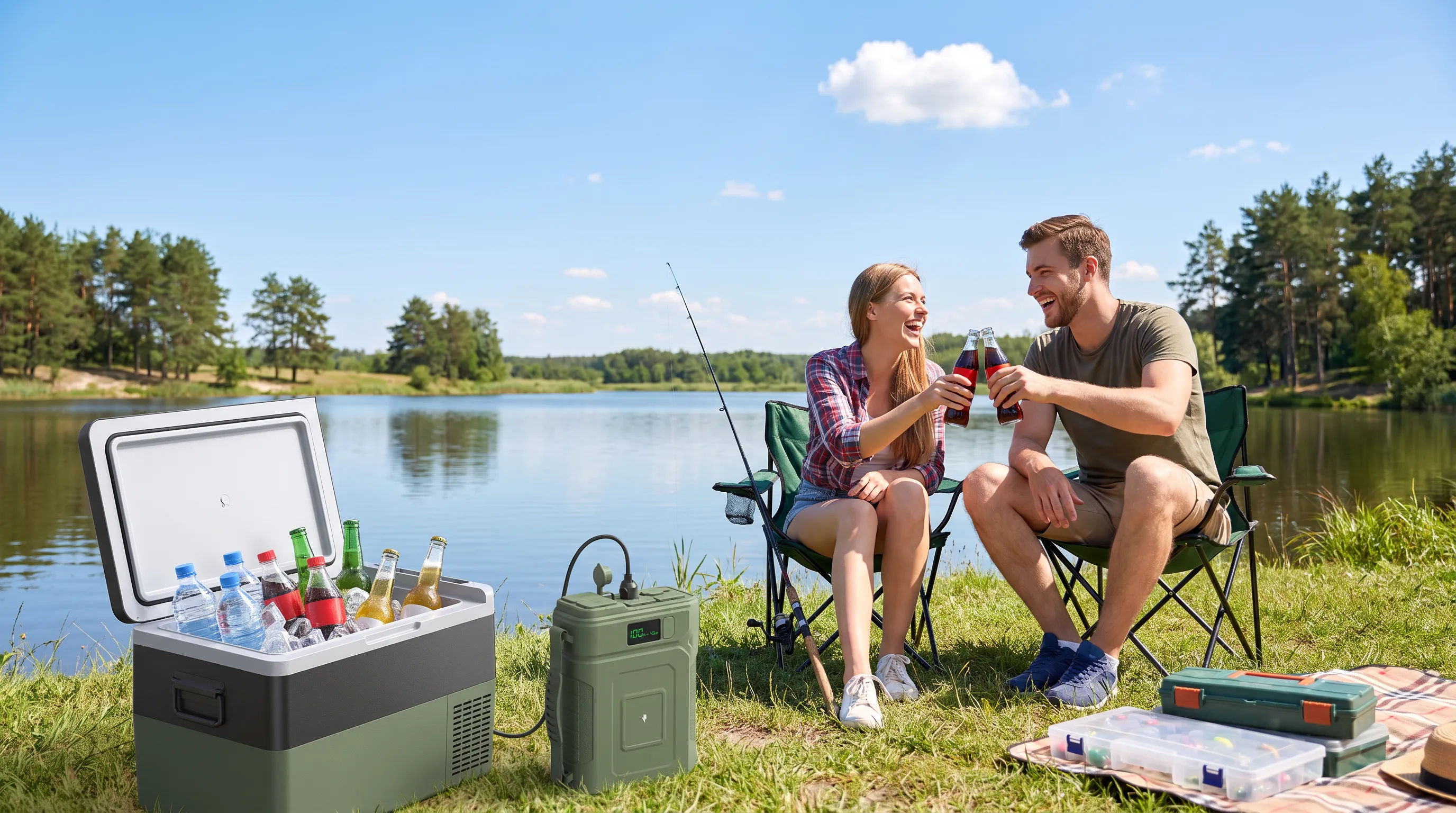
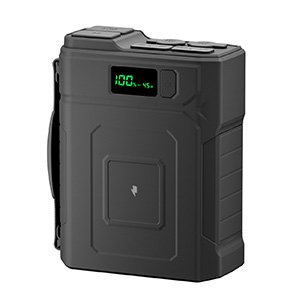
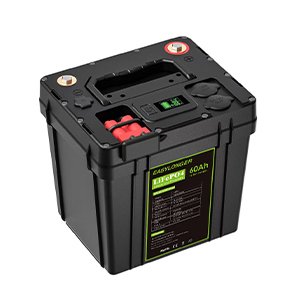
For anglers spending full days on the water, the Merpower GP45SE offers a practical solution for powering essential equipment.
Its 384Wh LiFePO4 battery provides dependable energy for extended fishing sessions, while the combination of USB-C ports, DC outputs, and a 10–13.5V cigar lighter socket allows users to charge multiple devices simultaneously.
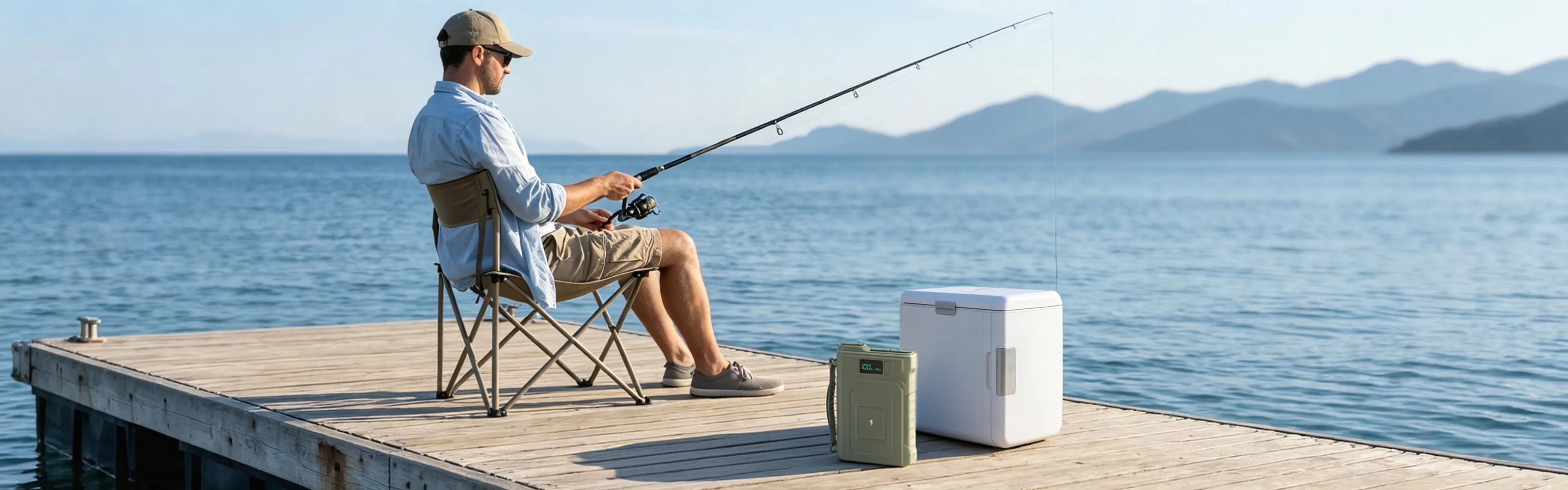
Whether you’re running a fish finder, charging a smartphone, powering LED fishing lights, or keeping a portable cooler operating, the GP45SE helps maintain a comfortable and productive fishing setup.
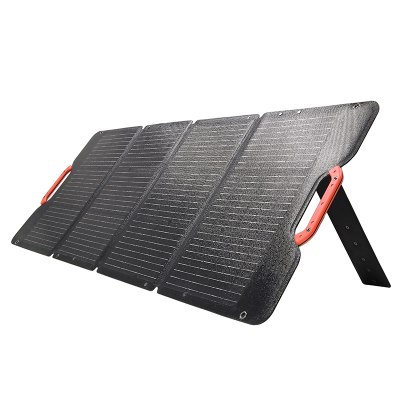
The integrated handle makes transport easy, and its support for 100W MPPT solar charging provides additional flexibility for anglers planning multi-day fishing adventures.
Freshwater Fishing Mistakes Beginners Should Avoid
Using Heavy Gear for Small Fish
Oversized rods and heavy line often reduce sensitivity and make fishing less enjoyable.
Ignoring Local Fishing Regulations
Always verify:
- License requirements
- Catch limits
- Seasonal restrictions
- Protected species
Following regulations helps preserve fisheries for future generations.
Fishing the Same Spot All Day
Fish move.
Successful anglers adjust and explore new locations when necessary.
Forgetting Essential Supplies
Missing simple items like pliers, sunscreen, or extra batteries can negatively impact the entire trip.
Underestimating Battery and Power Needs
Many anglers plan their tackle carefully but overlook power requirements.
Reliable power ensures that navigation, communication, and fishing electronics remain available when needed.
Frequently Asked Questions
What is the easiest freshwater fish to catch?
Bluegill are often considered the easiest fish for beginners because they’re abundant, aggressive feeders, and easy to locate.
What bait works best for beginners?
Nightcrawlers remain one of the most effective and versatile freshwater fishing baits.
When is the best time to fish freshwater lakes?
Early morning and late afternoon typically provide the most active feeding periods.
How much gear do I really need?
A rod, reel, basic tackle box, bait, and safety essentials are enough for most beginners.
Do I need a fish finder?
No, but fish finders can significantly improve efficiency by helping locate underwater structure and fish activity.
How can I keep my electronics charged during long fishing trips?
Portable battery systems such as the Merpower GP45SE provide a convenient solution for charging phones, GPS units, cameras, lights, and fishing electronics throughout the day.
Better Preparation Leads to Better Fishing Days
Successful freshwater fishing begins long before the first cast.
Choosing the right equipment, understanding fish behavior, planning around weather conditions, and preparing for a full day outdoors all contribute to a more enjoyable experience.
While rods, reels, and tackle remain essential, modern anglers increasingly rely on electronics for navigation, safety, and fish location. Reliable portable power helps ensure those tools continue working when they’re needed most.
Whether you’re targeting bass at sunrise, chasing crappie around submerged structure, or spending an entire weekend exploring remote lakes, good preparation allows you to focus on what matters most—enjoying your time on the water and catching more fish.