
















A backcountry elk camp runs on more than hunting skill.
Once you leave the truck and move into remote terrain, power becomes part of the trip. Phones need charging, radios need power, lights need to work before sunrise, and cold storage starts to matter as soon as the hunt is successful. In that setting, the wrong power setup creates stress fast.
That is why backcountry camp power deserves real planning. Not as a luxury, but as part of the hunt itself.
1. Why does power matter for a backcountry elk camp?
A backcountry elk camp faces a different problem than a roadside camp. You are farther from resupply, farther from outlets, and usually farther from any easy backup.
That changes the role of power in three ways:
- communication becomes more important
- lighting becomes more critical
- food and meat handling start to depend on a stable energy plan
If you are deep in the backcountry for multiple days, a dead phone or dead radio is more than an inconvenience. It can affect coordination, safety, and the overall pace of the hunt.
Quiet power also matters. Elk camps are not the place for constant generator noise. The less you disturb the surroundings, the better.
2. What devices do you need to power at elk camp?
Most backcountry elk camps rely on a fairly short list of electronics, but those devices need to work every day.
Communication and navigation
- smartphones
- GPS units
- two-way radios
Lighting
- headlamps
- lanterns
- camp lights
Field gear
- rangefinders
- cameras
- optics accessories
- battery chargers for hunting electronics
Comfort and support
- small fans
- battery packs
- compact accessories
- portable coolers or fridges for food and meat handling
These are not huge loads individually, but they matter because they are used consistently. The real challenge is not peak demand. It is keeping everything working over several days.
3. Why do gas generators cause problems in elk camp?
Gas generators solve one problem and create several others.
The first issue is noise. In a hunting camp, noise is a real disadvantage. It affects the mood of the camp and can be a poor fit for the environment.
The second issue is fuel. Carrying, storing, and managing gasoline in remote terrain adds another layer of logistics.
The third issue is convenience. Generators need maintenance, they produce exhaust, and they are not always the most practical tool for a small backcountry setup.
For an elk camp, a generator can be more trouble than it is worth.
4. How do portable power stations solve backcountry power problems?
A portable power station is a much cleaner solution for most elk camps.
It gives you a dedicated source of power for the devices that matter most, without tying everything to a vehicle battery or bringing generator noise into camp. That makes setup simpler and the whole camp easier to manage.
A good portable power station helps with:
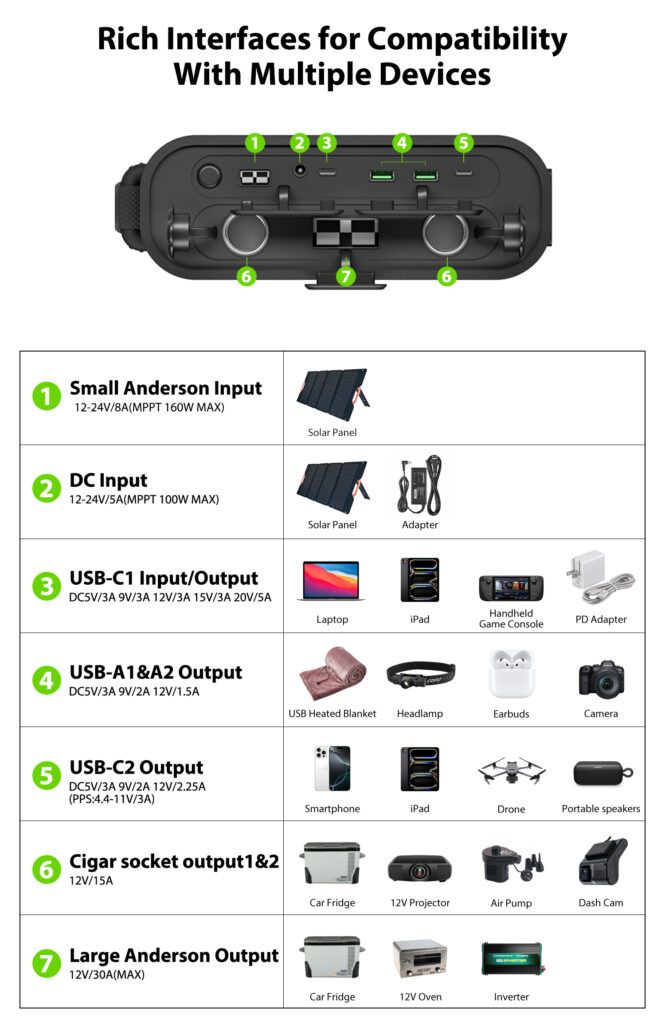
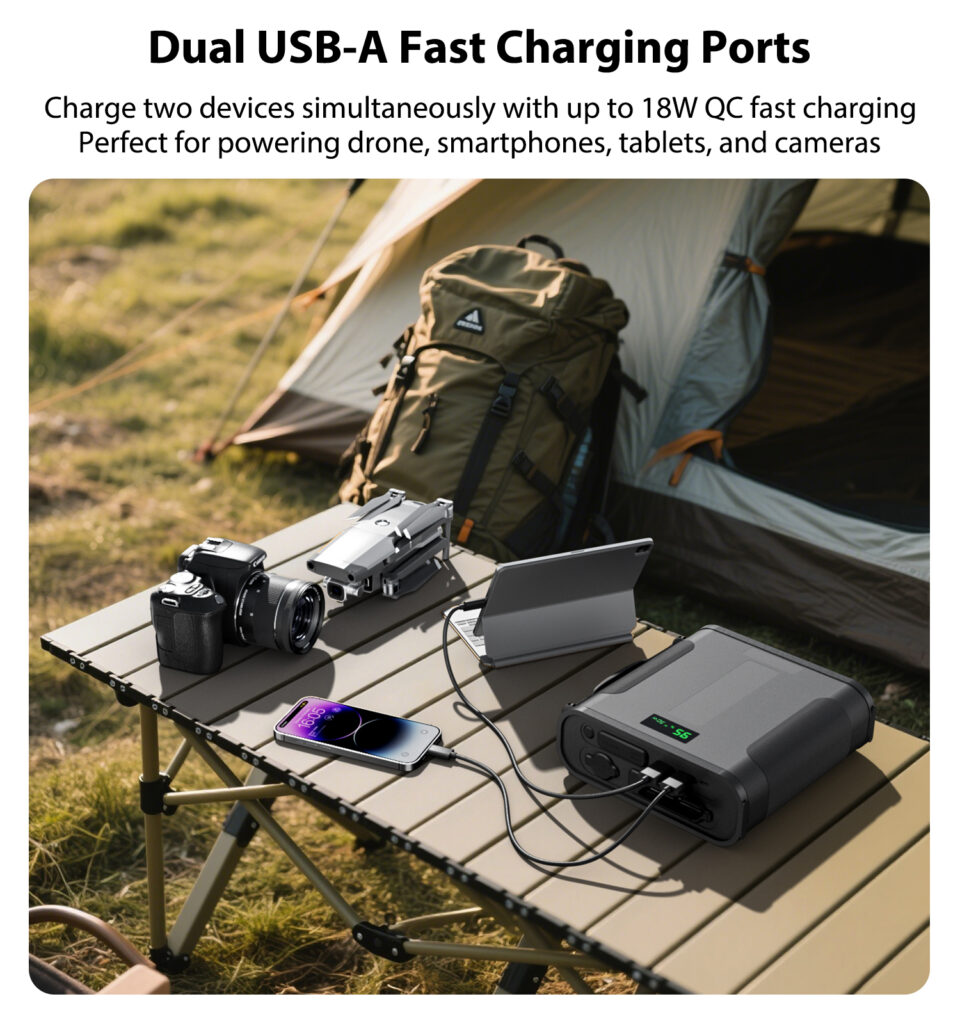
- USB charging for phones, radios, and GPS
- DC output for small electronics
- quiet operation
- simple transport between truck and camp
- predictable runtime for multi-day hunts
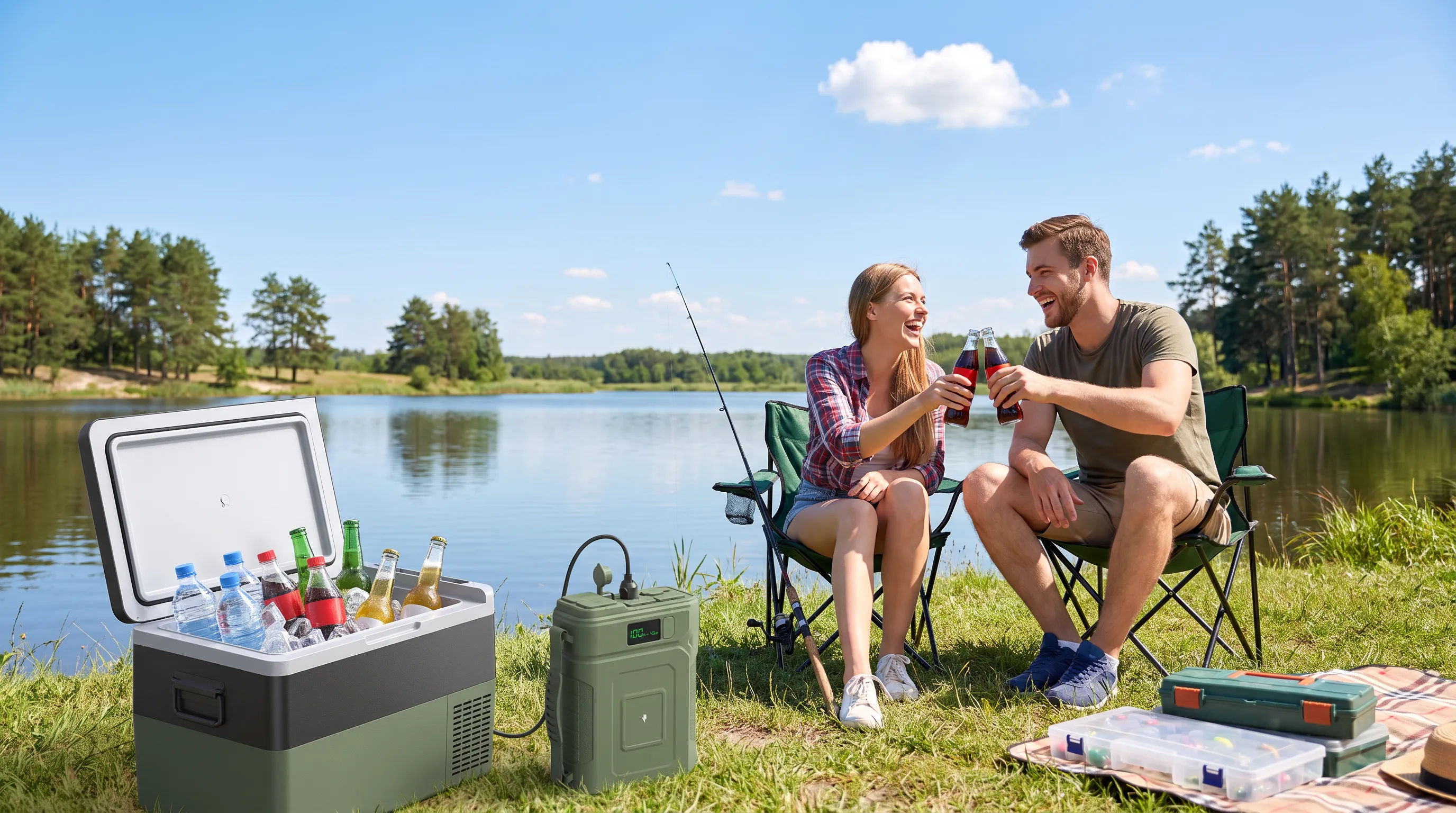
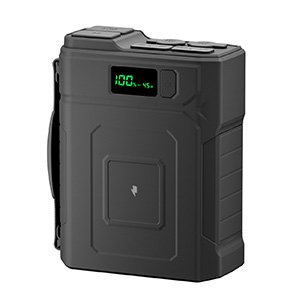
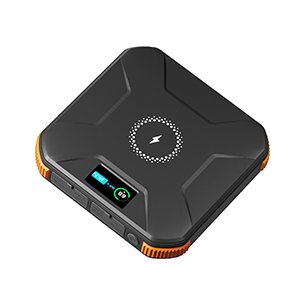
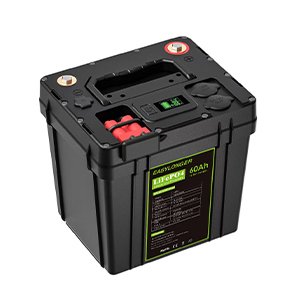
This is where GP40 fits naturally. It is a practical choice for backcountry elk camp power because it supports the kind of devices hunters actually use, while staying simple enough for remote outdoor trips.
5. How can solar panels extend power through a multi-day hunt?
Solar is not a replacement for planning, but it is a strong support tool.
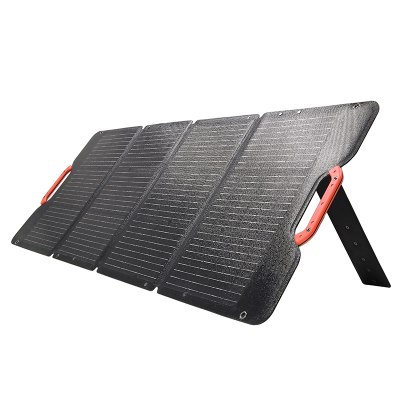
For a multi-day hunt, solar panels can help top up the power station during daylight hours. That reduces the pressure to bring extra batteries or return to a vehicle for charging.
Solar works best when:
- the camp load is modest
- daylight is available
- you are powering small electronics rather than heavy appliances
- the power station is already charged before the trip begins
In practice, the best setup is usually a fully charged power station at departure, then solar top-ups during the hunt. That gives you a more flexible off-grid system.
6. How do you keep game meat cold in the backcountry?
Once the hunt is successful, meat handling becomes the next power-related problem.
If you are far from the truck or staying out for several days, keeping supplies and meat cold matters. A portable cooler can help with food. A compact fridge can be even more useful if your setup supports it.
The key is matching the device to the power system.
Some hunters only need temporary cold storage for food and drinks. Others need a more stable cooling solution for a longer trip. In both cases, the power plan should come first, because cooling equipment can become one of the biggest loads in camp.
7. What size power station do you need for elk camp?
The right size depends on trip length, device count, and how much cooling you plan to do.
A simple way to think about it is:
- short trip, light electronics: smaller setup may be enough
- multi-day remote camp: larger capacity becomes more important
- adding cooling devices: runtime planning matters much more
The best approach is to list the devices first, then estimate how many times each one needs to be charged or powered each day. That gives you a much better answer than just looking at one spec number.
For elk camp, the most important question is not “How big is the battery?” but “Will it last through the full hunt?”
Original Comparison Table
| Power Option | Best Use | Strength | Limitation |
|---|---|---|---|
| Gas generator | Higher-demand camps | Strong output | Noisy and fuel-heavy |
| Portable power station | Phones, radios, lights, small electronics | Quiet and flexible | Needs pre-charging |
| Solar + power station | Multi-day remote hunts | Extends runtime off-grid | Weather-dependent |
| Disposable batteries | Small one-off devices | Simple to carry | Not efficient for longer trips |
For most backcountry elk camps, the portable power station plus solar is the most practical combination.
8. Frequently Asked Questions
Can a portable power station run a camp fridge or cooler?
Yes, if the capacity and output match the device’s demand. Runtime depends on the cooler size and how often it cycles.
Is solar enough for a multi-day elk hunt?
It can be, especially for low-power electronics. The best setup is usually solar plus a fully charged power station.
Why not use a generator in elk camp?
Generators are noisy, fuel-dependent, and less ideal for a quiet backcountry hunting environment.
Why is GP40 Pro a good fit for backcountry elk camps?
Because it supports the devices hunters actually depend on: phones, radios, lights, GPS units, cameras, and other small electronics, without adding generator noise or fuel logistics.
9. Conclusion
Backcountry elk camp power is really about keeping the hunt simple.
Use the main vehicle and truck systems for transport. Use a portable power station for camp electronics. Add solar if you want to extend runtime over multiple days. That approach keeps the camp quiet, organized, and ready for the entire hunt.
For Merpower, that is the point of a product like GP40: dependable off-grid power that fits the real rhythm of a backcountry elk camp.