
















Table of Contents
Introduction
Most clouds disappear into darkness after sunset. Noctilucent clouds do the opposite.
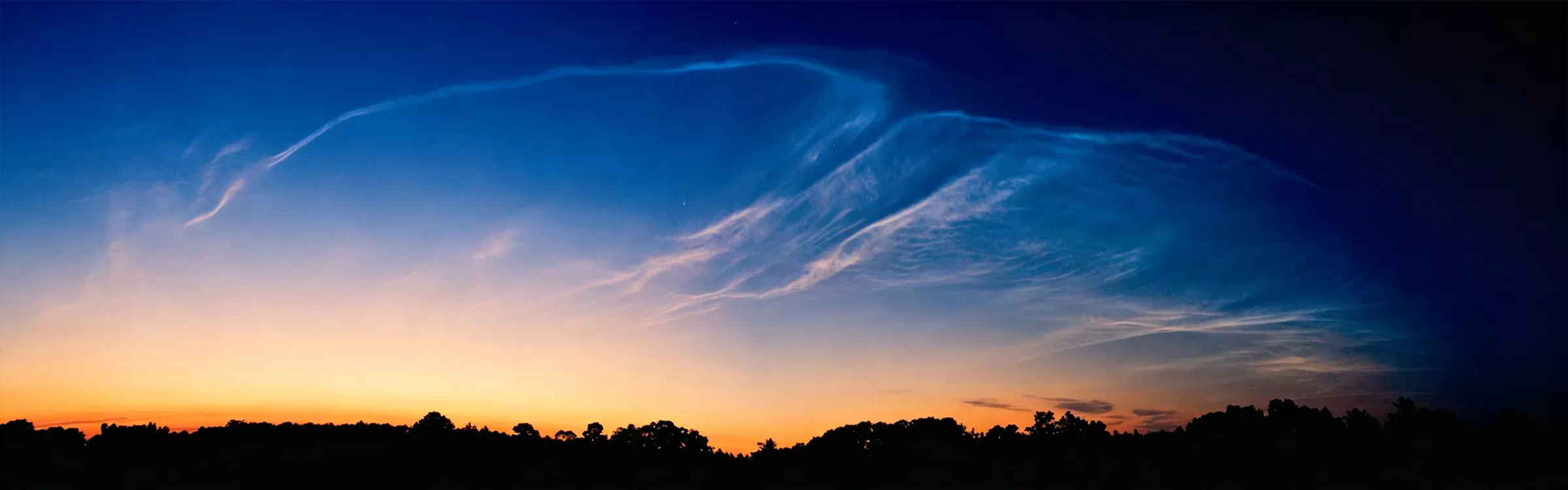
These rare, glowing formations can appear long after the Sun has dipped below the horizon, creating an electric-blue display that looks almost unreal. Many first-time observers mistake them for the Northern Lights, while photographers often describe them as one of the most rewarding nighttime sky subjects to capture.
Although noctilucent clouds have been observed for more than a century, they remain unfamiliar to many outdoor enthusiasts and amateur photographers. Their appearance depends on a unique combination of atmospheric conditions, seasonal timing, and geographic location.
If you’ve ever seen photos of glowing clouds stretching across the twilight sky and wondered what they were, this guide will explain everything you need to know—from understanding the science behind noctilucent clouds to planning a successful viewing and photography trip.
Why Do Some Clouds Glow After Sunset?
Understanding Noctilucent Clouds
The term “noctilucent” means “night-shining,” which perfectly describes these unusual clouds.
Unlike ordinary clouds that form in the lower atmosphere, noctilucent clouds develop at the edge of space in the mesosphere, roughly 50 miles (80 kilometers) above Earth’s surface. This makes them the highest clouds in our atmosphere.
Because they form at such extreme altitudes, they can remain illuminated by sunlight even when the ground below is already dark.
How High Are Noctilucent Clouds?
For comparison:
- Typical weather clouds form between 2 and 12 miles above Earth.
- Commercial aircraft cruise around 6 to 8 miles high.
- Noctilucent clouds form approximately 50 miles high.
Their extraordinary altitude is one of the reasons they appear so different from ordinary cloud formations.
Why They Appear Bright at Night
When the Sun drops below the horizon, lower clouds lose direct sunlight and become dark.
Noctilucent clouds, however, sit high enough to continue reflecting sunlight from below the horizon. The tiny ice crystals within the clouds scatter sunlight, creating their characteristic silver-blue glow against the darker sky.
This contrast makes them particularly striking during deep twilight.
When and Where Are Noctilucent Clouds Most Visible?
Best Months to Watch
Noctilucent clouds are generally visible during the summer months in the Northern Hemisphere.
Peak viewing typically occurs between:
- Late May
- June
- July
- Early August
June and July often provide the highest probability of sightings.
Best Viewing Regions in North America
The best locations include northern latitudes where summer twilight conditions are favorable.
Popular viewing areas include:
- Alaska
- Northern Washington
- Montana
- North Dakota
- Minnesota
- Michigan
- Wisconsin
- Northern New England
- Southern Canada
Observers farther south occasionally report sightings, but displays are generally less frequent.
Why Latitude Matters
Noctilucent clouds form near the polar regions and become easier to see where summer nights remain relatively bright.
Northern locations provide the ideal viewing geometry between the observer, the Sun, and the high-altitude cloud layer.
Weather Conditions That Improve Visibility
For the best chance of success:
- Choose clear nights.
- Avoid heavy cloud cover.
- Look for low humidity.
- Monitor local sky conditions.
Even a spectacular noctilucent cloud display can be hidden behind ordinary clouds.
How to Tell Noctilucent Clouds Apart from Other Sky Phenomena
Noctilucent Clouds vs Auroras
Many people confuse noctilucent clouds with auroras.
The key differences are:
Auroras:
- Often green, red, or purple
- Dynamic movement
- Caused by solar particles
Noctilucent clouds:
- Usually blue or silver
- Appear cloud-like
- Remain relatively stable
- Illuminated by sunlight
Noctilucent Clouds vs High Cirrus Clouds
Cirrus clouds can sometimes appear bright during twilight, but they lack the intense electric-blue glow and intricate wave-like patterns associated with noctilucent clouds.
Common Beginner Misidentifications
New observers often mistake the following for noctilucent clouds:
- Aircraft contrails
- High cirrus clouds
- Light pollution reflections
- Distant storm clouds
Understanding the visual characteristics helps eliminate confusion.
What a Genuine Display Looks Like
A true noctilucent cloud display often appears as:
- Thin glowing ribbons
- Electric-blue structures
- Delicate wave patterns
- Silver-white streaks
The clouds typically remain low above the northern horizon after sunset or before sunrise.
How to Photograph Noctilucent Clouds Successfully
Best Camera Settings
Noctilucent clouds are bright enough to photograph with relatively simple equipment.
A good starting point:
- ISO 400–1600
- Wide aperture
- Exposure between 1 and 10 seconds
Experimentation is often necessary depending on local conditions.
Can Smartphones Capture Them?
Modern smartphones can produce surprisingly good results.
Night mode features on newer devices allow users to capture visible cloud structure and color, especially when using a tripod or stable surface.
Choosing a Good Foreground
Interesting foreground elements improve composition.
Consider including:
- Lakes
- Mountains
- Forests
- Campsites
- Lighthouses
- Scenic overlooks
A strong foreground creates scale and visual interest.
Timing Your Shot
The best viewing window typically occurs:
- 60 to 120 minutes after sunset
- 60 to 120 minutes before sunrise
This period provides enough darkness for contrast while still allowing the clouds to remain sunlit.
Why a Tripod Helps
Long exposures increase image quality significantly.
A stable tripod reduces motion blur and allows lower ISO settings for cleaner photographs.
Why Scientists Study Noctilucent Clouds
What These Clouds Reveal About the Upper Atmosphere
Noctilucent clouds form under extremely cold conditions.
Their presence helps scientists understand temperature changes occurring in the upper atmosphere.
Climate and Atmospheric Research
Researchers use noctilucent cloud observations to study:
- Atmospheric circulation
- Water vapor levels
- Long-term climate trends
These clouds may provide clues about broader environmental changes.
Why Scientists Track Long-Term Changes
Some studies suggest noctilucent clouds are becoming more common and visible at lower latitudes than in previous decades.
Scientists continue monitoring these patterns to better understand potential causes.
Ongoing Research Questions
Many aspects of noctilucent cloud formation remain under investigation, making them one of the most fascinating atmospheric phenomena for researchers.
Planning a Successful Noctilucent Cloud Viewing Trip
Finding Dark Locations
While noctilucent clouds are relatively bright, darker locations improve visibility and photography results.
Seek out:
- Rural viewing areas
- National forests
- Lakeshores
- Elevated viewpoints
Monitoring Weather Forecasts
Successful skywatching depends heavily on weather conditions.
Check forecasts regularly before heading out.
Using Astronomy and Sky-Tracking Apps
Many astronomy applications help users:
- Track twilight times
- Monitor cloud cover
- Plan observation sessions
These tools can significantly improve your chances of success.
Preparing for Late-Night Observation Sessions
Noctilucent cloud chasing often involves spending several hours outdoors.
Pack:
- Warm clothing
- Water
- Snacks
- Flashlights
- Camera equipment
Comfort improves patience, and patience often leads to better sightings.
Why Portable Power Matters During Night Sky Photography
Cameras, Phones, and Tracking Apps Consume Power
Modern skywatching relies heavily on electronics.
Many observers use:
- Smartphones
- Cameras
- GPS devices
- Astronomy apps
- Portable lights
A dead battery can quickly end an observation session.
Long Exposure Photography Can Drain Batteries
Long exposures, image review, and cold nighttime temperatures all reduce battery life.
Photographers often discover that camera batteries drain much faster than expected during overnight shoots.
Staying Connected During Remote Night Trips
Many viewing locations are far from cities.
Reliable power helps maintain:
- Emergency communication
- Navigation systems
- Weather monitoring apps
This becomes especially important when observing in remote areas.
Portable Power for Overnight Viewing Sessions
Serious skywatchers often spend hours waiting for ideal conditions.
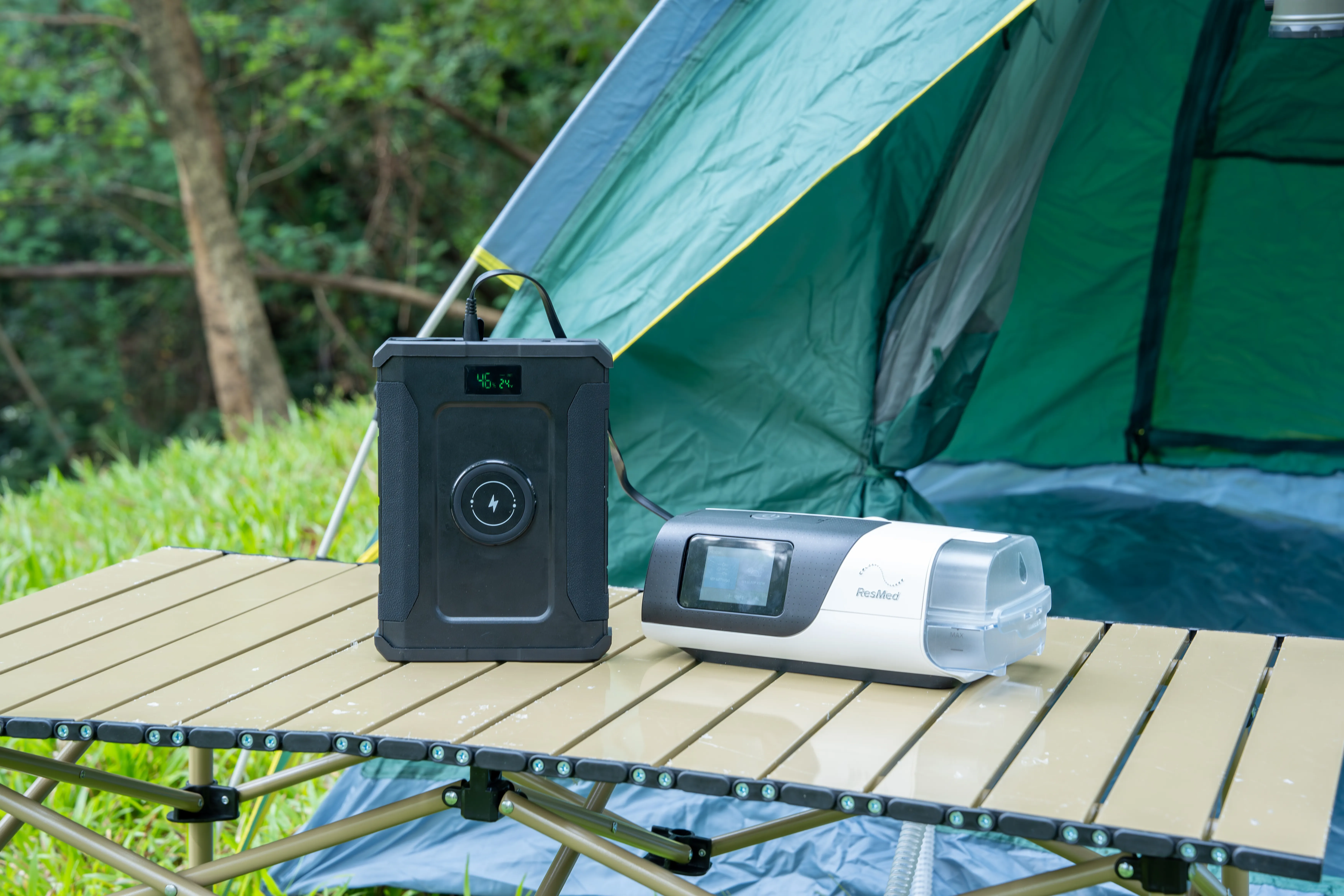
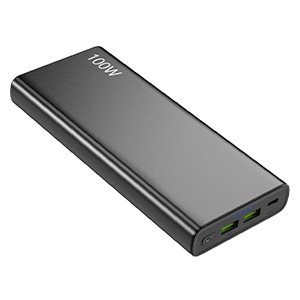
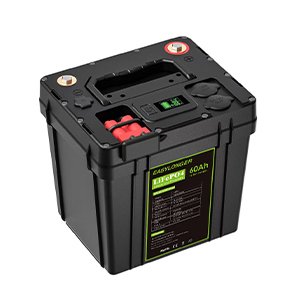
Portable power solutions such as the Merpower GP45SE provide a practical way to keep essential equipment running throughout the night. Its 384Wh LiFePO4 battery offers ample capacity for charging cameras, smartphones, GPS devices, LED lighting, and other observation gear.
For users who prefer a lighter setup, the Merpower GP35SE offers an excellent balance between portability and runtime, making it well-suited for photographers hiking to remote viewpoints. Both options support multiple DC-powered devices and help ensure that a rare noctilucent cloud display isn’t missed because of a drained battery.
7 Tips for First-Time Noctilucent Cloud Chasers
Arrive Before Sunset
Setting up equipment early allows you to focus on observation once conditions become favorable.
Look Toward the Northern Horizon
Most displays appear relatively low in the northern sky.
Avoid City Light Pollution
Darker skies improve visibility and photographic results.
Bring Extra Camera Batteries
Backup batteries provide additional insurance against unexpected power loss.
Dress for Cooler Night Temperatures
Even summer nights can become surprisingly cool.
Monitor Cloud Forecasts
Clear skies are essential for success.
Be Patient
Some of the best displays develop gradually over time.
Patience often rewards dedicated observers.
Frequently Asked Questions
Are noctilucent clouds rare?
They are relatively uncommon compared to ordinary clouds, but seasonal sightings occur regularly in northern regions.
What time of night are they visible?
Typically during deep twilight after sunset or before sunrise.
Can you see them without a telescope?
Yes. Noctilucent clouds are easily visible to the naked eye.
Can a phone camera capture them?
Many modern smartphones can capture noctilucent clouds using night photography modes.
Are they related to the Northern Lights?
No. They are entirely different atmospheric phenomena.
What is the best month to see noctilucent clouds?
June and July generally provide the highest likelihood of sightings.
Don’t Miss One of Nature’s Most Beautiful Nighttime Displays
Noctilucent clouds remain one of the most remarkable sights in the night sky. Their glowing blue patterns, extreme altitude, and seasonal rarity create an experience that feels almost otherworldly.
With proper planning, favorable weather, and the right equipment, even first-time observers can witness and photograph these spectacular clouds. Whether you’re a casual skywatcher, an outdoor adventurer, or a dedicated night photographer, preparing ahead of time can make all the difference.
And when your observation session extends deep into the night, reliable portable power from solutions like the Merpower GP35SE or GP45SE can help keep cameras, navigation tools, and communication devices running—allowing you to focus on capturing one of nature’s most extraordinary displays.