














Table of Contents
Introduction
Visiting a pumpkin patch is one of the easiest ways to enjoy the fall season. What was once a simple trip to buy a pumpkin has become a full outdoor experience, with farms offering corn mazes, wagon rides, animal encounters, seasonal food, children’s play areas, and plenty of places for autumn photos.
Some visitors want to walk into a field and pick their own pumpkins. Others prefer a farm market where pumpkins have already been harvested and arranged by size, color, and variety. Families may want a full day of activities, while couples and photographers may be looking for a quieter farm with attractive scenery.The best pumpkin patch for your 2026 fall trip depends on where you live, who is traveling with you, and what kind of experience you want. This guide introduces several pumpkin patches with announced 2026 schedules, explains the activities you may find, and shows you how to plan your visit and choose the right pumpkin.Where Are the Best Pumpkin Patches to Visit in 2026?
There are hundreds of pumpkin farms and seasonal fall festivals across the United States. The following farms represent different locations and types of experiences rather than an absolute national ranking.Opening dates, activities, prices, and weather policies can change. Always check the farm’s official information shortly before leaving home.The Great Pumpkin Farm in Clarence, New York
The Great Pumpkin Farm offers one of the larger fall festival experiences in New York. Its 2026 festival season is scheduled to run from September 19 through October 31.Visitors can shop for pumpkins and explore several farm attractions during the week. Weekends offer a more extensive festival program, which may include wagon rides, live entertainment, contests, children’s activities, and themed events.One of the farm’s signature attractions is its giant pumpkin weigh-off. Other scheduled activities vary by weekend, making this a suitable destination for families who want more than a short pumpkin-picking trip.The farm is especially appropriate for:- Families who want a full fall festival
- Visitors interested in giant pumpkins
- Children who enjoy rides and play areas
- Groups looking for food and entertainment
- Visitors who can attend on a quieter weekday
Fairview Fun Farm in Luray, Virginia
Fairview Fun Farm combines a family pumpkin patch with views of the Blue Ridge Mountains. Its 2026 public season is scheduled to run on weekends from September 26 through November 1.The farm offers pumpkin picking and family activities in a more rural setting. Its mountain backdrop also makes it attractive to visitors interested in fall photography.Fairview Fun Farm may be a good choice for:- Families with younger children
- Visitors planning a fall trip to the Luray area
- Homeschool groups
- People who prefer a traditional farm atmosphere
- Couples looking for seasonal photographs and mountain scenery
Jumbo’s Pumpkin Patch in Middletown, Maryland
Jumbo’s Pumpkin Patch is scheduled to open from September 19 through November 1 in 2026. It combines traditional fall activities with workshops and special events.Depending on the date, visitors may find pumpkin picking, wagon rides, jumping areas, farm attractions, pumpkin painting, and other seasonal activities. Some experiences require separate reservations or tickets.Jumbo’s is suitable for visitors who want:- A pumpkin-picking trip with additional entertainment
- Hands-on fall workshops
- Activities for different age groups
- A full-day farm visit
- More weekday scheduling options
Temple Hall Farm Pumpkin Patch in Leesburg, Virginia
Temple Hall Farm Pumpkin Patch and Flower Fields is scheduled to operate from September 26 through November 3 in 2026.The farm offers a broad combination of outdoor activities. Depending on the day, these may include pick-your-own pumpkins, flower picking, wagon rides, farm animals, children’s play areas, scavenger hunts, yard games, and pumpkin-launching activities.Admission may include a pumpkin and selected activities, but visitors should confirm the current ticket details before purchasing.Temple Hall may appeal to:- Families that want several activities under one admission
- Children interested in animals and outdoor games
- Visitors who want to pick flowers as well as pumpkins
- Groups spending several hours at the farm
The Patch in Kiowa, Colorado
The Patch is scheduled to hold its 2026 Fall Festival from September 19 through October 31. Located in Kiowa, it offers an open Colorado farm setting with a pumpkin field and family attractions.Activities may include:- Pumpkin picking
- A corn maze
- Wagon rides
- Apple cannons
- Seasonal food
- Outdoor games
How to Find a Pumpkin Patch Near You
The best local option may be a smaller farm that does not appear on national travel lists. Search using your city, county, or ZIP code together with terms such as:- Pumpkin patch near me
- Pick-your-own pumpkins
- Fall farm festival
- Corn maze and pumpkin patch
- Family farm fall activities
- Pumpkin picking 2026
- Driving distance
- Opening dates and hours
- Admission price
- Whether reservations are required
- Whether a pumpkin is included
- Pick-your-own availability
- Parking fees
- Activities for children
- Food options
- Pet rules
- Accessibility
- Rain and cancellation policies
What Types of Pumpkin Patches Can You Visit?
The phrase “pumpkin patch” can describe several different experiences. Understanding the differences will help you avoid disappointment when you arrive.Pick-Your-Own Pumpkin Farms
At a true pick-your-own farm, visitors walk or ride to a field and choose pumpkins where they were grown.This creates a more traditional farm experience, but it may also require more walking. Fields can be rough, muddy, or difficult for strollers and wheelchairs.Before visiting, ask:- Can visitors cut pumpkins from the vine?
- Are cutting tools supplied?
- Are pumpkins priced by size, weight, or quantity?
- Is transportation to the field provided?
- Are wagons available for carrying large pumpkins?
Farm Markets With Pumpkin Displays
Some farms harvest their pumpkins and arrange them near a barn, store, or parking area. Visitors still get an attractive fall setting without walking through a field.This type of patch is often better for:- Older visitors
- Families with toddlers
- People with limited mobility
- Short visits
- Anyone who wants to compare many varieties quickly
Fall Festival Farms
Fall festival farms combine pumpkins with entertainment. A single location may include a corn maze, wagon rides, animal areas, slides, jumping pillows, games, food stands, and live performances.These farms can provide a full day of entertainment, but the cost is usually higher than visiting a basic farm market. Some attractions may require additional tickets after admission.Review the pricing carefully if you are visiting with a large family.Community and Charity Pumpkin Patches
Churches, schools, nonprofits, and community groups sometimes operate temporary pumpkin patches. The pumpkins may be delivered from another farm rather than grown at the site.These patches are convenient for buying a pumpkin, taking a few photographs, and supporting a local organization. They generally offer fewer activities but may be quieter and easier to visit than a large farm festival.What Fall Activities Can You Enjoy at a Pumpkin Patch?
Every pumpkin patch is different, but several activities are common during the fall season.Pick Your Own Pumpkins
Walking through a field gives visitors the opportunity to compare sizes, shapes, and colors. Children can see how pumpkins grow and choose one themselves.Some farms allow visitors to cut pumpkins from the vine. Others ask guests to select pumpkins that have already been detached. Follow the farm’s instructions and do not enter closed growing areas.If the field is large, take a wagon or sturdy bag for transporting pumpkins. A large pumpkin that feels manageable at the beginning of the visit can become difficult to carry across a field.Explore a Corn Maze
Corn mazes range from short children’s routes to complicated designs that take an hour or more to complete.Before entering, consider:- Maze length
- Closing time
- Children’s ages
- Weather conditions
- Daylight remaining
- Accessibility
- Whether the maze is designed to be frightening
Take a Hayride or Wagon Ride
A wagon ride may be a sightseeing activity or the main transportation to the pumpkin field. It can be one of the most enjoyable parts of a farm visit, particularly for children.Ask whether infants, strollers, or wheelchairs can be accommodated. During busy weekends, wagon rides may also have long lines.Visit Farm Animals
Many fall farms have goats, sheep, pigs, chickens, or cattle. Some offer feeding areas or supervised animal encounters.Children and adults should wash their hands after touching animals and before eating. Hand sanitizer is useful, but soap and running water should be used when available.Enjoy Children’s Play Areas
Common attractions include:- Slides
- Jumping pillows
- Pedal carts
- Straw forts
- Corn boxes
- Tube tunnels
- Playground equipment
- Scavenger hunts
- Farm-themed obstacle courses
Join Pumpkin Painting and Fall Workshops
Some farms offer scheduled craft experiences, such as:- Pumpkin painting
- Fall wreath making
- Flower arranging
- Pumpkin succulent workshops
- Seasonal cooking activities
- Children’s craft sessions
Try Seasonal Food and Drinks
Food is an important part of many pumpkin patch visits. Depending on the farm, visitors may find:- Apple cider
- Apple cider doughnuts
- Pumpkin pie
- Kettle corn
- Roasted corn
- Caramel apples
- Hot chocolate
- Barbecue
- Fresh bread
- Local honey, jam, or produce
Take Fall Photographs
Pumpkin displays, sunflower fields, barns, hay bales, farm animals, and colorful trees create natural backgrounds for seasonal photographs.Casual phone photography is generally welcome. Professional portrait sessions, tripods, lighting equipment, or clothing changes may require a photography permit.Stay on marked paths and do not move farm displays without permission.How Should You Plan Your Visit to a Pumpkin Patch?
Good planning can make the difference between a relaxed fall outing and a day spent waiting in traffic and standing in long lines.Choose the Right Part of the Season
Many pumpkin patches begin opening in September, while peak activity occurs in October.Visiting earlier in the season may offer:- Warmer weather
- More pumpkin choices
- Shorter lines
- Better availability for workshops
- Greener fields and sunflowers
- Cooler temperatures
- Stronger fall colors
- More Halloween activities
- The most traditional autumn atmosphere
Visit on a Weekday When Possible
A weekday visit may offer easier parking, shorter lines, and more time for photographs. However, some farms operate limited attractions during the week.If rides, shows, food stands, or live entertainment are important, check whether they are available on the day you plan to visit.Check Official Information Before Leaving
Review the farm’s current information on the morning of your trip. Confirm:- The farm is open
- The hours have not changed
- Tickets are still available
- The pumpkin field is open
- Weather has not closed any attractions
- Parking is available
- Your preferred activities are operating
- The farm accepts your preferred payment method
Dress for a Working Farm
Farm paths are different from paved parks. Wear shoes that provide traction and can get dirty.Useful clothing includes:- Closed-toe shoes or boots
- Layered clothing
- A light waterproof jacket
- A sun hat
- Work gloves for carrying rough pumpkins
- Spare socks and clothing for children
Pack for Several Hours Outdoors
A basic pumpkin patch bag may include:- Water bottles
- Sunscreen
- Wet wipes
- Hand sanitizer
- Tissues
- Reusable shopping bags
- A small first-aid kit
- A portable phone charger
- Cash and a payment card
- A trunk liner or old towel for the pumpkins
Keep Essential Devices Powered
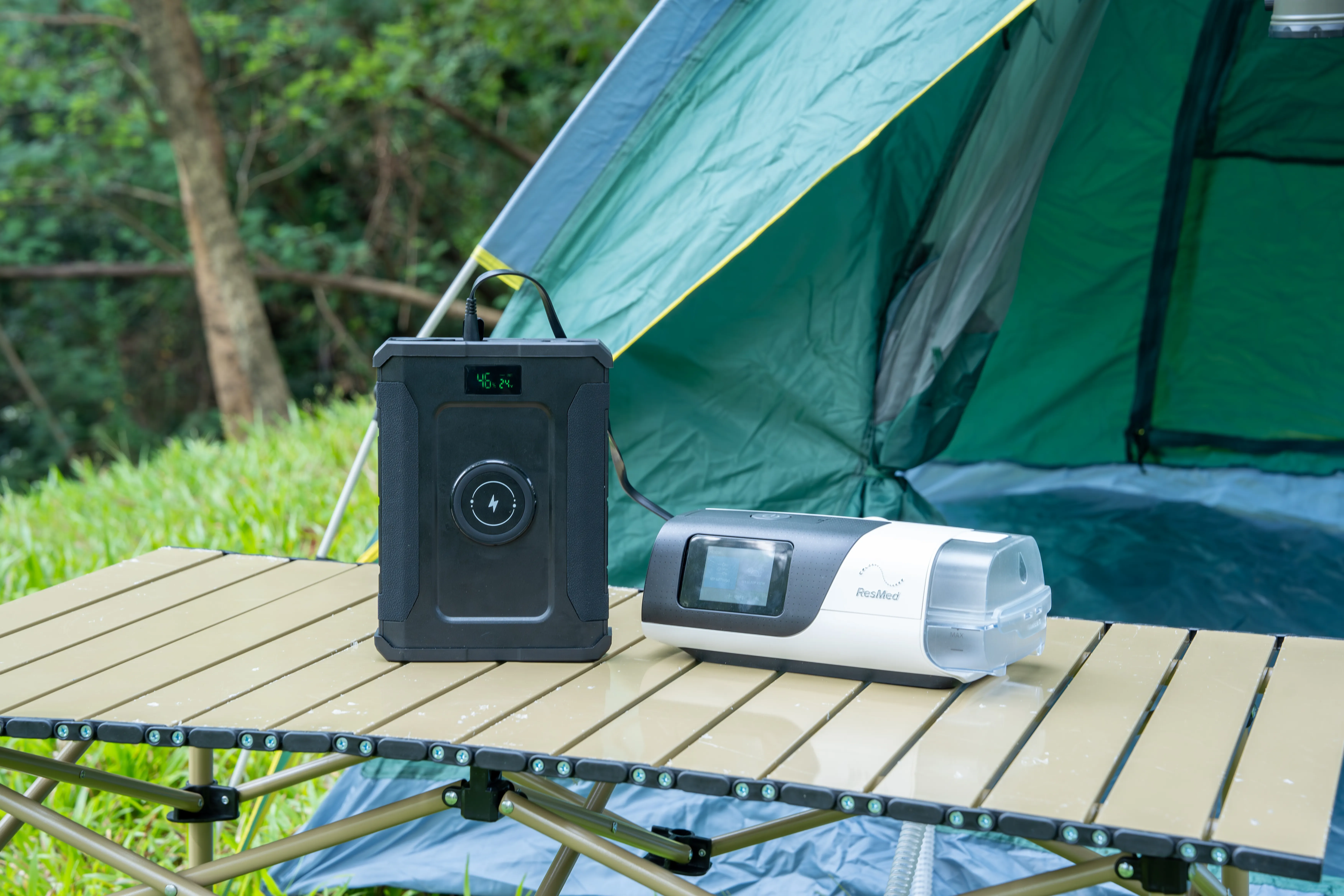
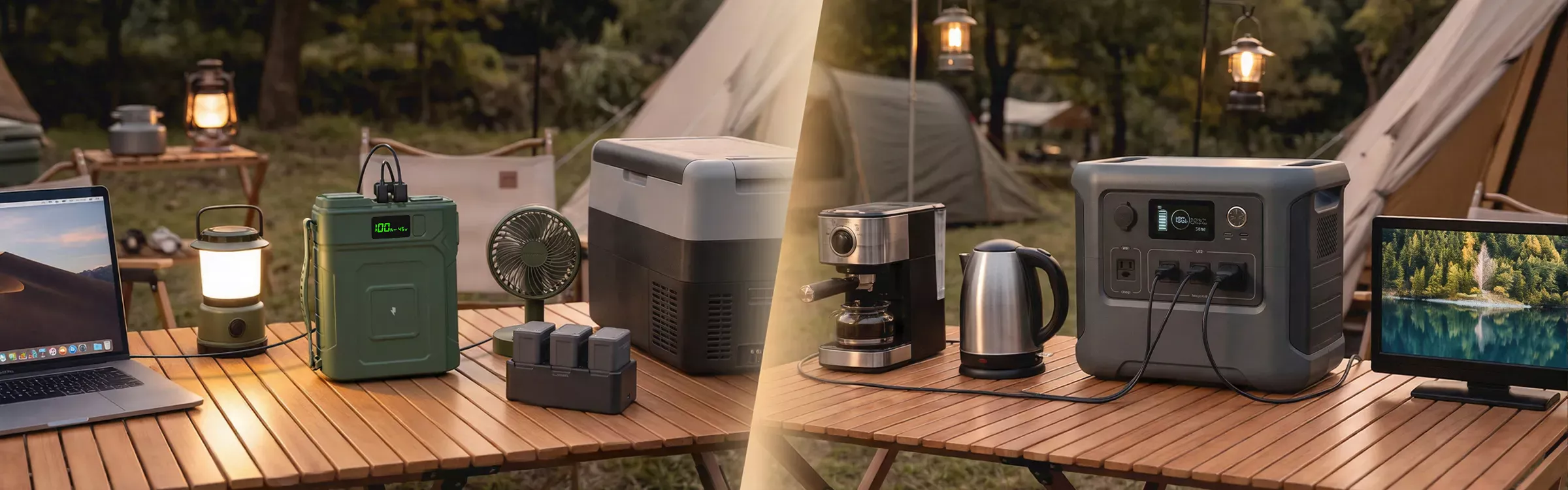
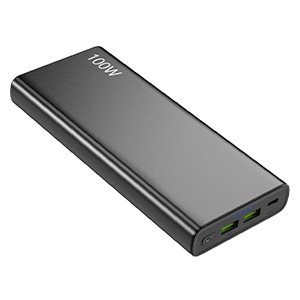
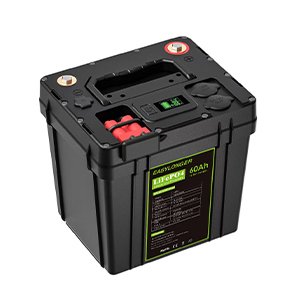
Phones often handle navigation, electronic tickets, photography, payments, and emergency communication during a farm visit. A long drive and several hours of photography can drain the battery more quickly than expected.A standard power bank is usually enough for one or two phones. A family on a longer road trip may also need to power cameras, tablets, lights, or a small compatible car refrigerator. In that situation, a larger DC battery pack may be more useful.Before connecting any device, confirm:- Output voltage
- Available current
- Connector type
- Maximum output power
- Cable compatibility
How Do You Choose the Right Pumpkin?
The best pumpkin depends on what you plan to do with it. A large carving pumpkin may not be the best choice for cooking, while a decorative pumpkin may be attractive even if its shape is irregular.| Intended use | What to look for | Useful characteristics |
|---|---|---|
| Carving | Smooth, accessible surface | Medium or large with enough space for a design |
| Painting | Clean, dry skin | Smooth surface and stable base |
| Cooking | An edible variety recommended by the farm | Dense flesh and good flavor |
| Porch display | Firm skin and intact stem | Attractive color, shape, or texture |
| Longer storage | No cuts, soft spots, or bruising | Fully mature and undamaged |
Examine the Skin
Choose a pumpkin with firm skin. Avoid pumpkins with:- Soft areas
- Deep cuts
- Open cracks
- Mold
- Leaking liquid
- Large bruises
- Signs of insect damage
Check the Stem
A mature pumpkin usually has a firm, dry stem. A soft or wet stem may indicate damage or decay.Do not lift a pumpkin by its stem. Even a healthy stem can break under the pumpkin’s weight. Support the pumpkin from underneath with both hands.Inspect the Bottom
The bottom should feel firm and dry. Check for cracks, soft spots, or hidden mold.If the pumpkin will be carved or displayed upright, place it on a flat surface to see whether it stands securely.Consider Size and Weight
Large pumpkins create dramatic displays, but they can be difficult to transport and carve. Check whether the pumpkin will fit:- In your vehicle
- On your porch or table
- Through your doorway
- In the area where it will be carved
Ask About Cooking Varieties
Large carving pumpkins are edible, but they may have watery or less flavorful flesh. Smaller pie pumpkins and other culinary varieties are generally better for soups, pies, breads, and roasted dishes.Ask farm staff which varieties are intended for cooking. Different varieties can have different sweetness, texture, moisture, and storage characteristics.How to Transport and Store Pumpkins
Proper handling begins before you leave the farm.Protect the Vehicle
Line the cargo area with cardboard, an old blanket, or a waterproof mat. This protects the vehicle from soil, moisture, and damaged pumpkins.Keep pumpkins from rolling during the drive. Place smaller pumpkins in boxes and secure large ones with towels or other soft materials.Do not stack heavy pumpkins on top of apples, baked goods, flowers, or other fragile purchases.Store Pumpkins in a Cool, Dry Place
Uncarved pumpkins usually last longer when kept:- Dry
- Cool
- Out of strong direct sunlight
- Away from standing water
- Off damp ground
- Protected from freezing temperatures