Introduction
A sample arrives, the display turns on, and a connected phone starts charging. That confirms an initial function, but there is more to establish before deciding whether the product suits your customers.Distributors need to understand how the sample performs with intended equipment, whether its behavior matches the agreed specifications, and which details still require confirmation.A useful evaluation follows a clear sequence: define the application, identify the sample, check connections, observe performance, record findings, and confirm the configuration for purchase.This guide provides a practical framework for portable batteries and power banks. The exact checks should reflect the model, its documented capabilities, and the agreement between buyer and supplier.
Define What the Sample Needs to Prove
Start With the Intended Customer and Application
Identify the job customers expect the battery to do.A product selected for phone charging may need different checks from one intended for camping lights, mobile-office equipment, or compatible vehicle accessories.List the actual devices, how they connect, and whether they need occasional charging or continuous power. Include combinations customers are likely to use together.This turns a broad question—“Is the sample good?”—into a more useful one: “Does it meet the requirements of this application?”
Agree on the Specifications and Test Conditions
Use an agreed specification sheet as the starting point.Confirm the model, relevant version, functions, accessories, and output arrangements to be evaluated. Where runtime or charging time matters, define the conditions behind the expected result.The supplier should know which devices and cables you intend to use. The buyer should understand any conditions attached to the specifications.Avoid deciding afterward that an unfamiliar test result must meet a threshold neither party previously established.
Separate Practical Evaluation From Certification Testing
A distributor can check everyday operation, compatibility, usability, and application performance.Formal safety, environmental, and protocol-compliance testing may require specialized equipment, controlled procedures, and qualified personnel.For example, charging several phones successfully does not establish complete USB protocol compliance. Likewise, using a sample outdoors does not verify a water-resistance rating.Identify which questions your evaluation can answer and which require appropriate supporting documents or professional testing.
Confirm What Arrived Before Connecting Equipment
Record the Model, Version, and Included Accessories
Photograph the sample and packaging, then record its model and any available identifying information.List the supplied cables, adapters, connectors, and instructions. Ask whether the unit represents the intended production configuration or contains features still being finalized.Where relevant, record firmware or hardware version information provided by the supplier.This gives both parties a reference if a later sample behaves differently or the accessory package changes.
Inspect the Housing, Ports, and Labels
Check the enclosure, connectors, buttons, display, and markings for visible damage or inconsistencies.Compare the labels with the agreed documents. Confirm that port names and input/output markings are understandable.If the battery shows swelling, leakage, significant deformation, or other concerning damage, stop before powering it and contact the supplier. Do not open the enclosure to investigate.For minor cosmetic findings, photographs with clear descriptions help the supplier assess the issue.
Read the Operating and Storage Instructions
Check how to turn the product on and off, recharge it, interpret the display, and store it.Review the permitted environment and load conditions before use.An available connector does not prove that every physically matching accessory is supported. Ask about unclear functions before experimenting.Missing or ambiguous instructions are also evaluation findings: they may affect customer use, sales training, and support needs.
Test With the Equipment Your Customers Will Actually Use
Check Each Intended Connection Separately
Begin with individual devices and known compatible cables.Record the device model, selected port, cable or adapter, and observed charging or operating behavior. For devices with several inputs, confirm which one was used.Distinguish between an indicator showing “connected” and the device receiving useful power for its intended task.A laptop, for example, may recognize a source while still consuming more energy than the connection supplies during demanding work.
Check the Combinations Customers Are Likely to Use
After checking individual connections, evaluate the relevant combinations.These might include a laptop and phone, several personal devices, or a phone with rechargeable lighting.Use combinations supported by the product documentation or confirmed by the supplier. Check the available output for that arrangement rather than adding individual port maximums.Observe whether adding another device changes charging behavior. Record the change and compare it with the product’s specified allocation policy.
Observe Connection Changes and Special Operating Modes
Some applications depend on more than steady charging.Depending on the documented functions, relevant checks may include low-power accessories, connecting or removing another device, and behavior when an external charging input is interrupted or restored.Keep the observations specific. “The light went off when the charging input was removed” is more useful than “backup mode failed.”Support for simultaneous charging and output does not, by itself, establish seamless UPS operation. Confirm any continuity requirement separately.
Evaluate Charging, Runtime, and Output With Clear Conditions
Record How the Sample Is Recharged
For a recharge-time evaluation, document the charger, cable, input port, starting state, ending condition, and elapsed time.Record whether external loads were connected and whether the environment remained within the operating instructions.A test beginning at a partially charged state cannot be directly compared with a stated empty-to-full charging time.Also distinguish input and output ratings. A high output capability does not establish the same recharge capability.
Distinguish Stored Energy From Delivered Energy
Three energy figures can describe different things:
- Nominal stored energy: the battery’s stated energy rating.
- Delivered output energy: energy measured leaving a defined output during a test.
- Charging input energy: energy measured entering the product while recharging.
Conversion and operating losses affect these measurements. Charging input energy cannot directly prove internal battery capacity.Do not compare mAh readings taken at different voltages without accounting for voltage. Wh can support clearer comparisons, but the measurement location and conditions still need to match.A lower output-energy reading than the nominal battery rating does not, on its own, establish a defect. Compare the result with an agreed output specification and method.
Run a Representative Use Session
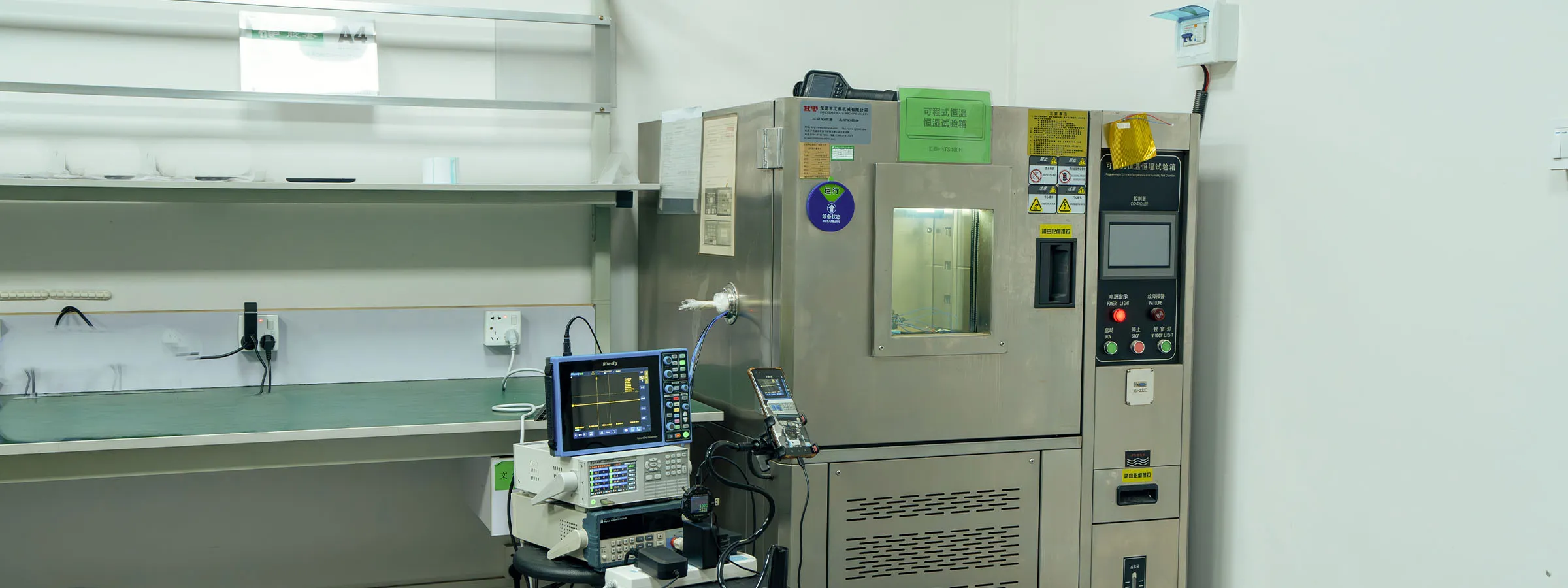
Observe the sample through a meaningful part of the intended application.A brief startup check may miss behavior that appears later, such as output changes, unexpected shutdowns, or a connection problem.For instrumented measurements, use suitable equipment operated by someone who understands its capabilities. Define the load, temperature, starting condition, and stopping point.Ensure meters and cables support the charging mode being evaluated. Record relevant readings rather than relying only on a device’s estimated time until full.Repeat a questionable result under controlled, comparable conditions before drawing a conclusion.
Check the Everyday Experience Behind the Specifications
Assess Controls, Display, and Port Access
Consider whether customers can understand and operate the product comfortably.Check button actions, display readability, port identification, and access when neighboring connectors are occupied.Assess whether instructions explain the information shown. A display can appear precise while leaving users unsure whether it represents battery state, input, or output.Record usability concerns separately from electrical performance. Both matter, but they may require different responses.
Use the Product in a Representative Setting
Evaluate carrying, placement, cable routing, and normal operation within the permitted conditions.For a camping application, that might mean arranging compatible lights and phones at a dry charging location. For mobile work, it might mean connecting the intended laptop at a desk.Do not turn ordinary sample evaluation into improvised drop, immersion, short-circuit, or extreme-temperature testing. Arrange specialized verification when such claims are relevant.
Check the Information Needed for the Target Market
Review the proposed labels, instructions, accessories, packaging, and supporting documents.Where reports or certifications are provided, check that their model identification, configuration, and scope are relevant to the product being evaluated. Ask for clarification where information does not align.A report for another model is not automatically evidence for this sample.Record language, labeling, and documentation requirements early enough to resolve them before approving the purchase configuration.
Turn Observations Into Useful Supplier Feedback
Keep a Simple Sample Evaluation Record
A structured record makes comparisons and follow-up easier.
| Item | What to record |
|---|
| Sample identity | Model, version, and available identifying number |
| Evaluation purpose | Intended customer, devices, and application |
| Connection setup | Ports, cables, charger, and connected equipment |
| Conditions | Starting charge, environment, and operating state |
| Expected result | Agreed specification or application requirement |
| Actual result | Readings, duration, behavior, and changes |
| Evidence | Photos, video, or measurement files |
| Follow-up | Explanation needed, retest, configuration change, or acceptance |
Keep original records and identify which sample produced each result.
Describe the Steps That Produce the Problem
A useful report explains what happened and how to reproduce it.Instead of saying “the laptop charges slowly,” provide the laptop model, cable, port, approximate battery level, and operating workload.Then explain whether the behavior changes when another device is added.Include a short video when it captures the sequence clearly. Avoid changing several variables at once during investigation, as that makes it harder to identify the cause.An unexplained result should remain open until there is enough evidence to classify it.
Retest After Clarification or Changes
The supplier may clarify an operating condition, suggest a compatible accessory, or provide an updated sample.Record what changed and repeat the relevant evaluation. Where conditions differ, explain the difference rather than treating the results as directly interchangeable.Preserve the earlier findings. A clear revision history helps prevent one person approving a configuration while another continues testing a different version.Close an issue when the evidence supports the agreed outcome.
Confirm What Sample Approval Means for the Bulk Order
Document the Approved Configuration
Before ordering, connect the evaluation results to the configuration being purchased.Confirm the model, agreed version, functions, appearance, labels, accessories, instructions, and relevant documents. Include any application-specific requirements that influenced the decision.Record open items and who is responsible for resolving them.For discussions with Merpower, a clear device list and application description can help focus the conversation on suitable connections, expected behavior, and verification needs.Approval should refer to identifiable information rather than a general message that “the sample looks fine.”
Separate Sample Findings From Batch Consistency
One sample provides evidence about that unit under the conditions evaluated.It does not independently establish consistency across an entire shipment, long-term service life, or performance in every environment.Depending on the order, buyer and supplier can agree on production-representative samples, change notifications, and appropriate batch checks.Confirm how changes affecting the approved configuration will be reviewed. This helps preserve the connection between the evaluated sample and the products customers eventually receive.
Conclusion
A useful sample evaluation establishes application fit and leaves a clear record of how that conclusion was reached.Start with agreed requirements, use the intended devices, document conditions, and investigate unexplained results with reproducible evidence.Before bulk procurement, turn the approved findings into an identifiable product configuration and clear purchase requirements. That gives buyers and suppliers a stronger basis for moving forward together.
FAQs
Is Charging a Phone Enough to Approve a Battery Sample?
It confirms an initial function, but approval should reflect the intended application. Other relevant connections, combinations, operating behavior, documentation, and agreed performance requirements may need checking.
Which Devices Should Distributors Use for Testing?
Use the models customers are expected to connect, with suitable cables and accessories. Where the market includes several important device types, agree on a representative selection.
Can Charging Input Energy Prove Battery Capacity?
No. Energy entering during charging includes losses and system consumption. Internal storage ratings and delivered output energy require different measurement boundaries and methods.
Should Every Port Be Tested at Its Maximum Rating?
Only where relevant and using an appropriate agreed method, equipment, and conditions. Check whether a rating applies to individual or simultaneous operation. Do not overload ports to investigate protection behavior.
Can Practical Sample Testing Replace Certification Tests?
No. Practical evaluation helps establish usability and application performance. Formal certification or compliance claims require the relevant testing and evidence.
What Information Helps a Supplier Investigate a Problem?
Provide sample identification, connected devices, ports, cables, charger, starting conditions, steps, expected behavior, actual behavior, and supporting records. Note whether the result repeats.
Does One Approved Sample Guarantee an Entire Batch?
No. Sample evaluation and batch consistency are related but separate matters. Agree on the purchase configuration and suitable production or shipment verification arrangements.