















Table of Contents
Introduction
Whale watching is one of the most memorable wildlife experiences you can enjoy in the United States. Whether you’re drawn by the acrobatic displays of humpbacks off Alaska or the majestic gray whales migrating along California’s coast, timing, location, and preparation all play critical roles in making your trip unforgettable. Unlike regular sightseeing, whale watching requires a bit of planning, the right gear, and sometimes a little patience. In this guide, we’ll explore the best U.S. destinations, peak seasons, tour selection tips, and essential packing advice—so you can make the most of your day on the water.
Why Whale Watching Is One of the Most Memorable Wildlife Experiences
Different Whale Species You May Encounter
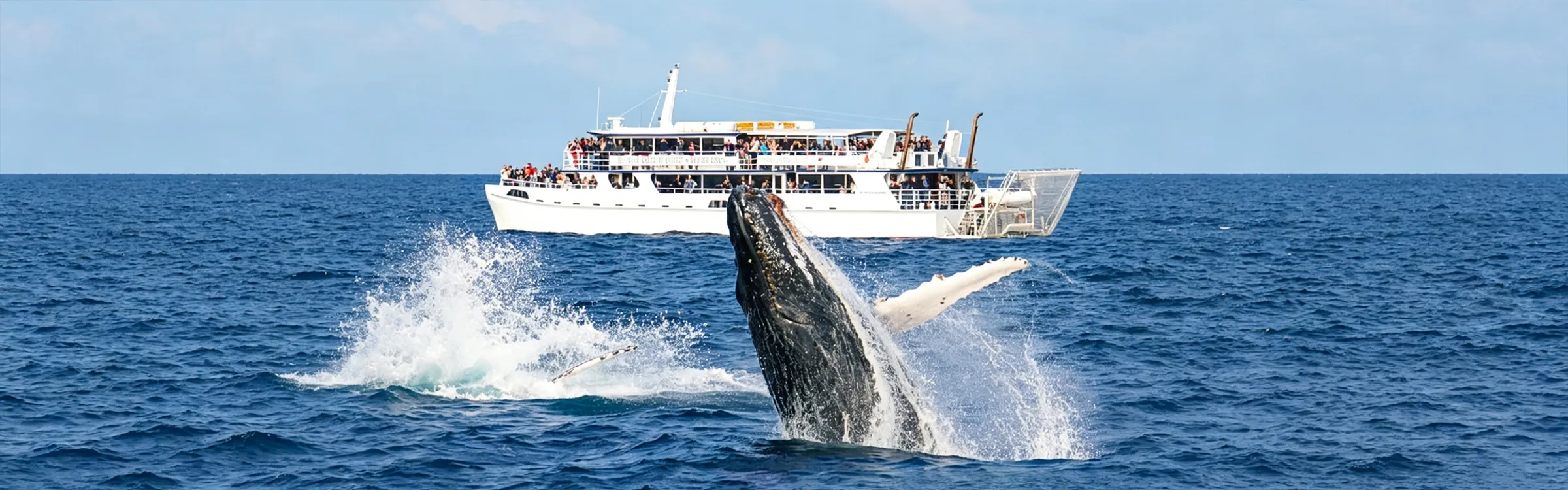
Understanding which whales you might see is key to planning your trip. Humpbacks are known for spectacular breaching and tail slapping, gray whales migrate thousands of miles each year along the West Coast, blue whales offer rare but awe-inspiring sightings, and orcas can often be found around the Pacific Northwest. Even minke whales make appearances in some locations, and each species brings a unique observation opportunity.
Why Seasonality Matters
Whale sightings are highly seasonal. Their migration, feeding, and breeding patterns dictate where they appear and when. For example, gray whales are most visible along California during winter, while humpbacks dominate Alaska’s waters in the summer. Missing these peak windows can mean fewer sightings and less excitement for your trip.
What Influences Whale Sightings
Factors like ocean temperature, weather conditions, and migration timing affect visibility. Calm seas improve spotting chances, while rough waters can obscure activity. Experienced guides monitor these patterns closely, but knowing them in advance helps you choose the right tour.
When Is the Best Time of Year to See Whales in the United States?
Winter (December–March)
During winter, gray whales migrate south along California, providing reliable sightings near coastal points like San Diego and Monterey Bay.
Spring (March–May)
Spring brings humpbacks northward along the Pacific Coast. Alaska’s waters begin opening for early season tours, and some East Coast areas start seeing migratory species.
Summer (June–August)
Summer is peak season in Alaska. Humpbacks dominate the fjords, while blue whales occasionally appear. Conditions are ideal for extended excursions and photography.
Fall (September–November)
Orcas and other migratory species move south along the Pacific Northwest. Sightings are fewer but can be highly rewarding, especially with experienced guides.
7 Amazing Places for Whale Watching in the United States
Monterey Bay, California
Known for its underwater canyon, Monterey Bay provides blue whale and humpback sightings. The dramatic coastline adds scenic value to your trip.
San Diego, California
Winter brings the gray whale migration into view. Shore-based observation points complement boat tours, offering flexible options for visitors.
Maui, Hawaii
Maui hosts thousands of humpbacks in winter. The calm waters make it an ideal location for families and first-time whale watchers.
Juneau, Alaska
Summer humpbacks dominate the waters around Juneau, with long daylight hours giving visitors ample time for observation.
Seward, Alaska
This port city is ideal for multi-species encounters. Humpbacks, orcas, and sometimes blue whales make appearances, making it a must-visit for serious whale watchers.
Cape Cod, Massachusetts
On the East Coast, Cape Cod offers seasonal humpback and fin whale sightings. Deep-water excursions are particularly rewarding.
San Juan Islands, Washington
Orcas are the highlight here, especially from spring through fall. Tours emphasize eco-friendly viewing to maintain safe distances from wildlife.
How to Choose a Whale Watching Tour That Delivers Real Value
When selecting a tour, consider boat size, morning versus afternoon departures, and what kind of onboard expertise is available. Small boats offer closer encounters but are more sensitive to rough seas. Large boats are stable and often have marine naturalists who provide insights on behavior, migration, and species identification. Look for consistent reviews, clear cancellation policies, and tours that prioritize both safety and sustainability.
What to Pack for a Comfortable Day on the Water
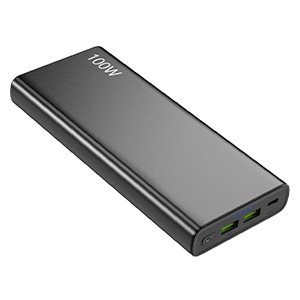
Layered clothing is essential, as ocean conditions can change quickly. Bring sun protection: hats, sunglasses, and sunscreen. Cameras and binoculars enhance your experience. Motion sickness preparation is crucial for longer trips. Many travelers also rely on their phones or action cameras for photos, navigation, and tickets. To ensure these devices remain charged throughout the day, a compact portable power solution is invaluable. Products like the Merpower GP20 Pro or similar portable power banks let you recharge multiple devices while offshore, ensuring your phone, camera, and GPS stay ready for unexpected whale sightings.
How Portable Power Improves Outdoor Travel Experiences
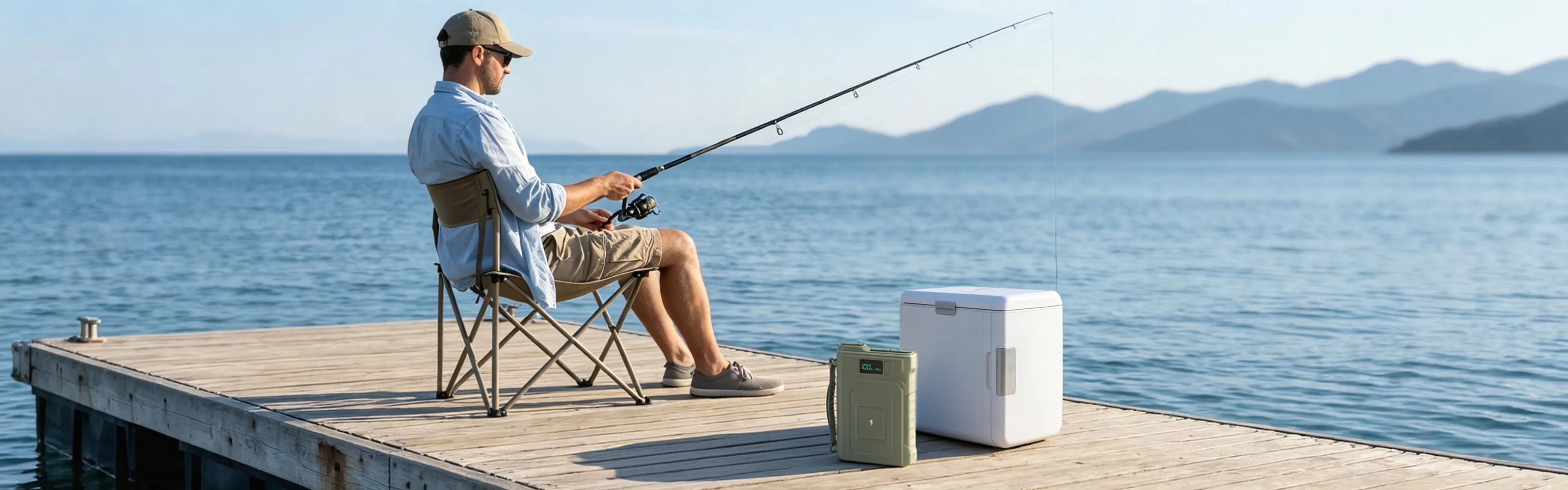
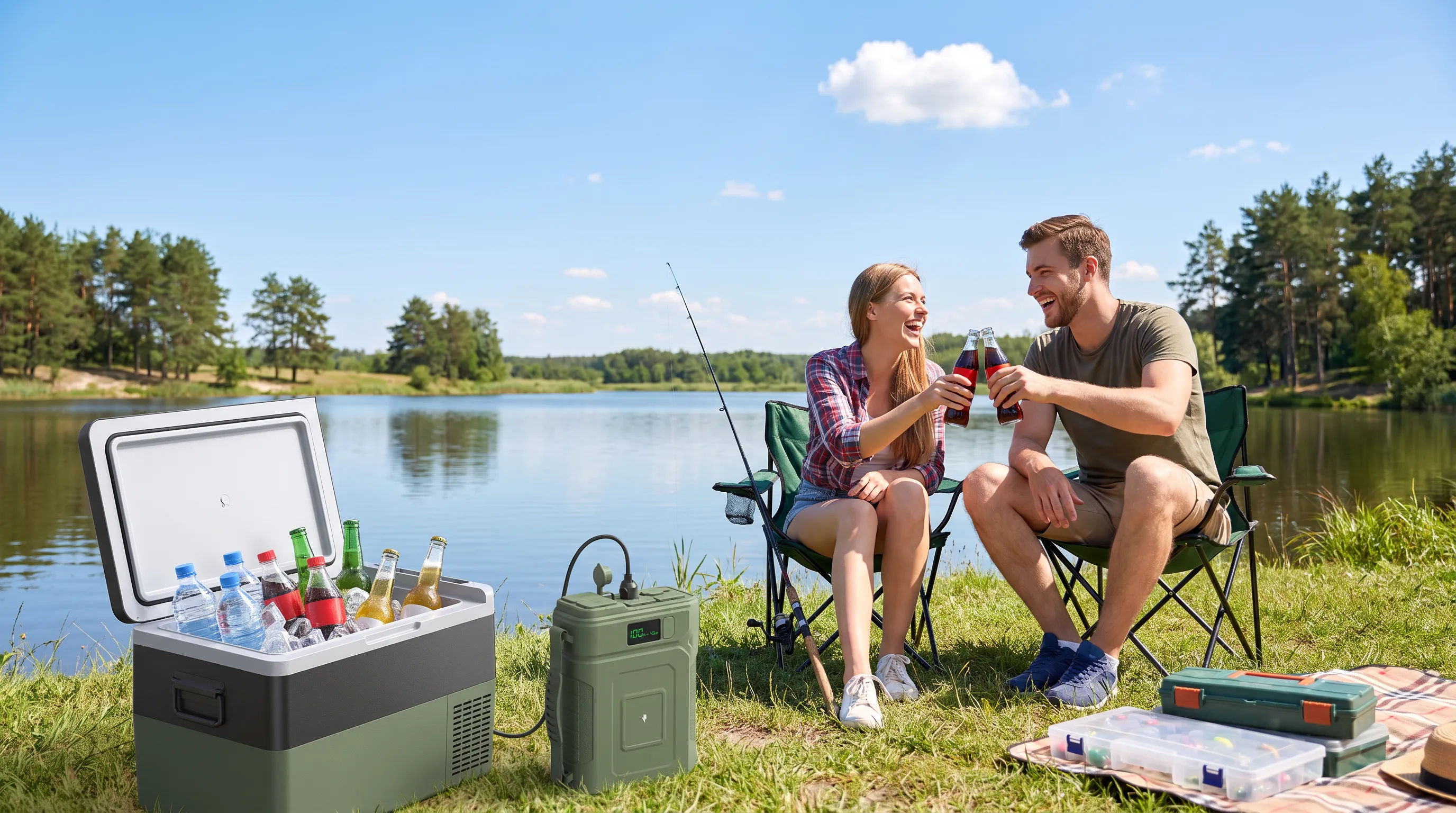
Portable power isn’t just for photography. It allows multi-day road trips along the coast without worrying about electronics, supports small coolers or lights for picnic stops, and ensures safety through GPS and emergency communication. Compact units from Merpower integrate seamlessly into travel kits, making them ideal companions for whale watching, RV travel, or camping near the coast.
Whale Watching Tips First-Time Visitors Often Miss
Arrive early to secure the best viewing spot. Sit where visibility is optimal. Listen to naturalists—they often know where whales are feeding or migrating. Patience is key: whales may appear suddenly or linger briefly. Always respect wildlife distance rules to ensure a safe and sustainable experience.
Frequently Asked Questions
What is the best month for whale watching?
Depends on the species and region: gray whales in winter along California, humpbacks in summer along Alaska, or orcas in the Pacific Northwest from spring to fall.
Which U.S. state has the best whale watching?
California, Alaska, Hawaii, Massachusetts, and Washington each offer unique species and seasons.
Are whale sightings guaranteed?
No, but booking with experienced tour operators and going during peak seasons increases your chances.
What should I wear on a whale watching tour?
Layered clothing, waterproof jackets, hats, and sunglasses are recommended.
Do I need binoculars?
Binoculars enhance spotting distant whales but are optional for close encounters on small boats.
Can I bring a portable power bank on the boat?
Yes, compact units like the Merpower GP20 Pro are perfect for keeping cameras, phones, and GPS devices powered all day.
Plan Your Whale Watching Adventure Before the Season Peaks
The best whale watching experiences come from careful planning. Choose the right season and destination, book tours with experienced guides, and pack appropriately for a full day at sea. With devices charged and cameras ready, you can capture every breach, tail slap, or blow. Whale watching often becomes the highlight of an entire coastal vacation, and with thoughtful preparation—including the right portable power solutions—you can enjoy the trip safely, comfortably, and without missed opportunities.