

















Introduction
The Outer Banks is one of those places that makes camping look easier than it really is.
From a distance, the appeal seems straightforward: beaches, open sky, ocean air, fishing access, and long stretches of coast that feel less crowded than many traditional beach destinations. But once you actually plan a trip, the details matter more than people expect. Wind can be constant. Sand gets into everything. Shade is limited. Some campgrounds feel much more exposed than inland campers are used to. And depending on where you stay, power convenience may be minimal.
That does not make the Outer Banks difficult. It just makes it different.
The best Outer Banks camping trips usually come from the same formula: choose the right campground for your trip style, prepare for coastal conditions instead of inland assumptions, and bring a setup that can handle long outdoor days without turning small inconveniences into bigger ones. For families, couples, anglers, and coastal road trippers, that difference can shape the entire experience.
What Makes the Outer Banks a Good Place for Camping
The Outer Banks works well for camping because it offers something many beach vacations do not: space.
Instead of a tightly packed resort atmosphere, many parts of the Outer Banks feel more open and slower. Campers come for beach access, sunrise views, fishing, paddling, stargazing, and the simple appeal of sleeping closer to the coast. It is also a natural road-trip destination. Many visitors arrive by car, which makes it easier to bring a fuller setup than they would for a flight-based beach trip.
That said, barrier-island camping has its own logic.
The conditions are more exposed than many first-time visitors expect. Wind can pick up fast. Sand moves constantly. Salt air affects gear. Tree cover is limited in many areas. Summer and early fall can still feel hot and humid, especially in the afternoon. If you prepare for the Outer Banks the same way you would prepare for a wooded inland campground, the destination may feel harder than it needs to.
The people who usually enjoy it most are the ones who understand this early. They do not expect mountain shade or protected lawns. They expect open skies, shifting weather, bright sun, and a campsite environment that asks for a little more planning.
Which Outer Banks Campgrounds Are Worth Knowing First
If you are planning a first trip, it helps to start with the best-known campground areas before getting distracted by every listing or private stay option.
Oregon Inlet Campground
Oregon Inlet is often one of the easier Outer Banks options for travelers who want straightforward access and a more convenient entry point into coastal camping. It works well for people who want to stay in a recognizable Outer Banks area without immediately jumping into the most remote-feeling setup. Some sites offer utility hookups, which makes it more approachable for campers who want a little more support.
Cape Point Campground
Cape Point tends to attract campers who want to stay closer to the Buxton and Cape Hatteras area. It feels more exposed and more basic, which is part of the appeal for some travelers. If your idea of a good Outer Banks trip includes strong coastal atmosphere and a less polished setup, this type of campground often fits that mood better.
Frisco Campground
Frisco is a strong option for campers who want a quieter Hatteras Island experience. It often appeals to people who like a little more breathing room and want access to the coast without feeling like they are choosing the busiest possible stop. For some travelers, it strikes a better balance between scenery and calm.
Ocracoke Campground
Ocracoke offers a more distinctive island-camping feel. It suits travelers who want the campground to feel like part of the destination rather than only a place to sleep. Getting there is part of the experience, and that extra effort tends to attract people who are looking for a stronger sense of separation from routine.
The right choice depends less on which campground is “best” and more on how you want the trip to feel. Easier access, more services, and simpler logistics matter for some campers. Others are willing to trade convenience for a more open, more elemental coastal atmosphere.
Why Coastal Camping Here Feels Different From Other Beach Trips
One of the biggest mistakes first-time campers make is assuming that beach camping means the same thing everywhere.
In the Outer Banks, the environment is part of the challenge and part of the reward. You are dealing with sandy ground, strong sun, open wind exposure, salt in the air, and fewer natural barriers between your gear and the weather. Even when you are staying at an established campground rather than pitching directly on open beach sand, the overall feel is still coastal and exposed.
That changes the way camp works.
Tent setup matters more. Storage matters more. Shade matters more. If you are used to inland campgrounds with trees, softer soil, and more natural shelter, the Outer Banks can feel more demanding during setup and during the hottest parts of the day.
This is also why some campers love it. There is a sense of openness that you do not get in more protected campgrounds. The sky feels larger. Sunrises and sunsets matter more. Ocean air becomes part of the whole day. You just have to pack and plan for the reality of that openness.
Which Campground Style Usually Works Better for Families
Families usually need a different Outer Banks camping strategy than solo travelers or couples.
For most family trips, convenience matters more than romance. Easy restrooms, showers, simpler parking, a less stressful setup area, and reasonable access to food or town services often matter more than choosing the most dramatic campsite. The same is true for families with younger children, where heat, bugs, and long setup times can change the mood of the trip quickly.
A more family-friendly campground style usually includes:
- easier bathroom access
- more predictable site layout
- less exposed setup logistics
- simpler parking and unloading
- enough nearby services to reduce stress
That does not mean families need to avoid coastal campgrounds. It means they usually benefit from choosing the version of Outer Banks camping that gives them room to enjoy the scenery without fighting the environment all day.
Couples, experienced campers, and more minimalist travelers may accept a more exposed or basic setup because they want a stronger coastal feeling. Families are often better served by a campsite that keeps the practical side of the trip under control.
Why Power Planning Matters More Here Than Many Campers Expect
A lot of campers think about shelter first and power second. In the Outer Banks, that order can create problems.
Coastal trips often mean long daylight exposure, heavy phone use for navigation and weather, lots of photography, and a stronger need for comfort gear like fans or lighting once the sun goes down. If the trip includes children, tablets, rechargeable lanterns, or multiple phones, the power demand becomes even more noticeable.
The common campsite power needs here are usually simple:
- phones for maps, weather, and communication
- headlamps and lanterns after dark
- portable fans in warm weather
- tablets or small electronics for family use
- cameras and drone batteries
- selected 12V camping accessories
This is where a portable power station starts making practical sense.
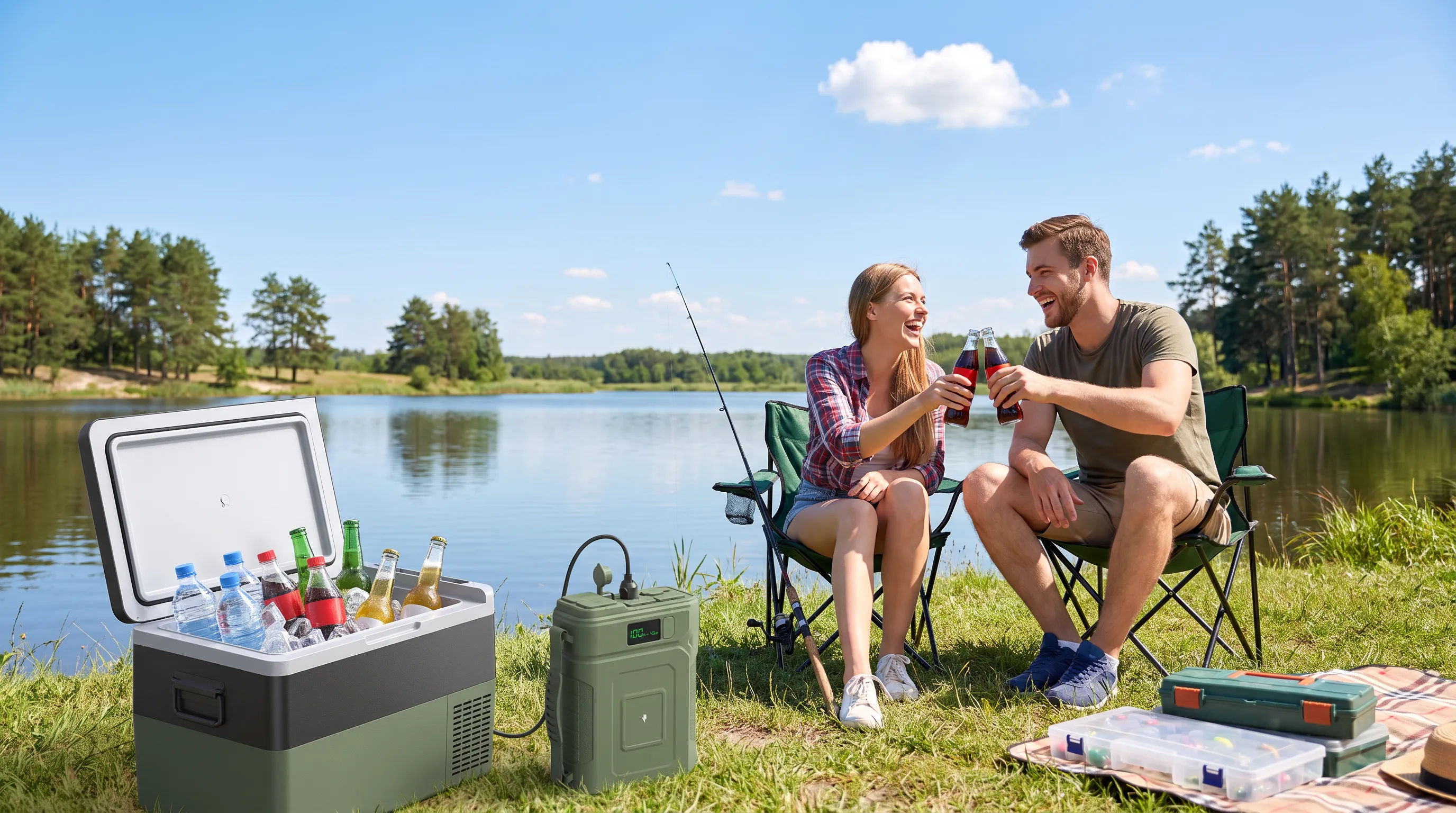
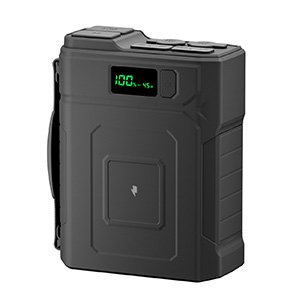
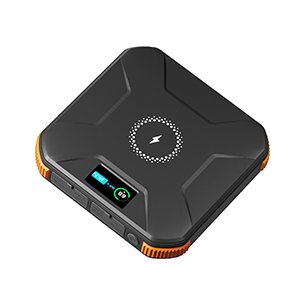
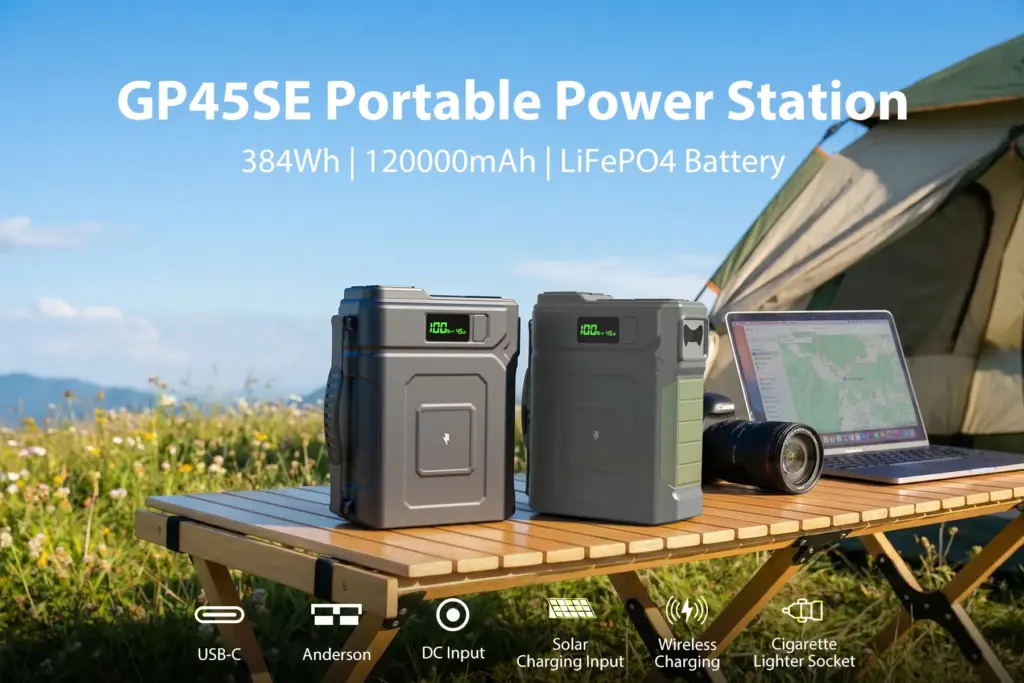
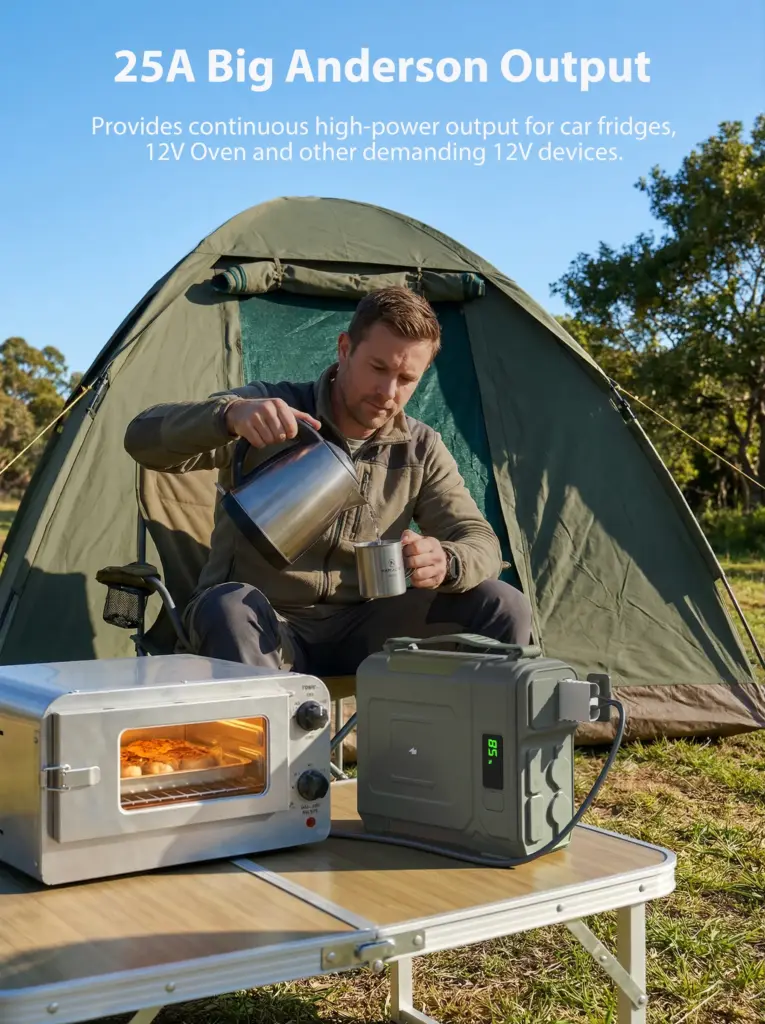
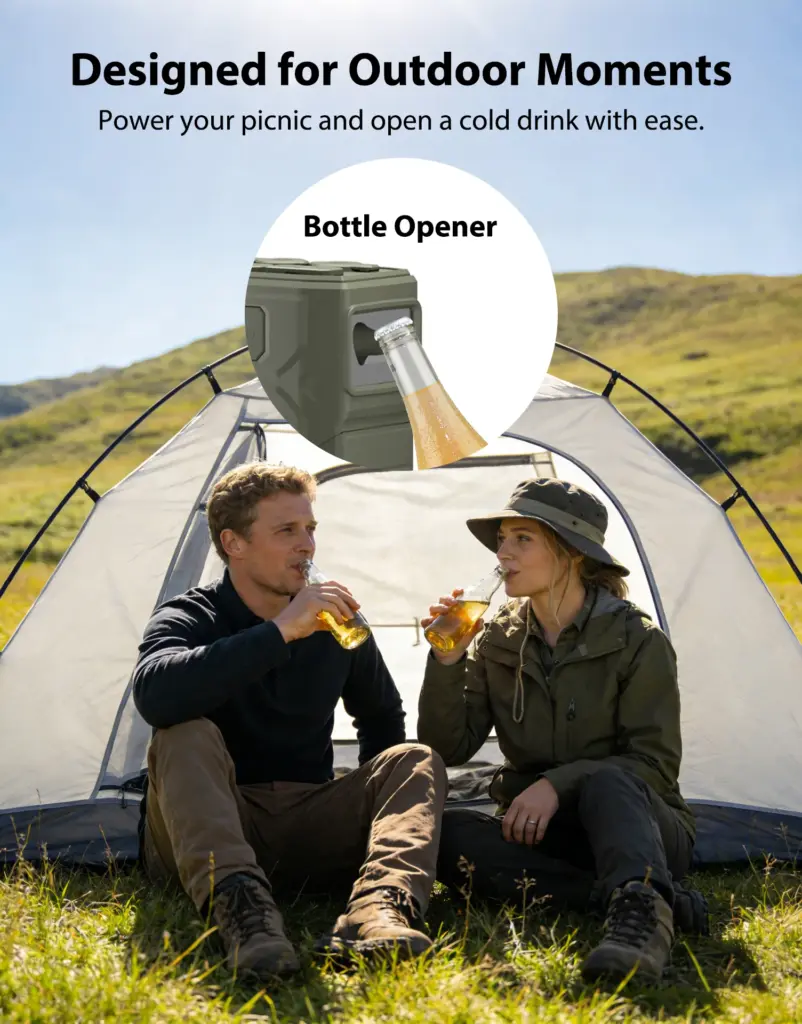
A unit like the GP45SE fits Outer Banks camping well because this is usually a car-camping or campground-based trip, not an ultralight hiking trip. Its LiFePO4 battery platform, multiple output types, and more flexible charging support make it useful for multi-device coastal camping where comfort and convenience matter. It offers USB, USB-C, DC, and Large Anderson outputs, which is the kind of mix that works well when a campsite needs more than a single phone charge.
The point is not to turn a beach campground into a full off-grid system. The point is to keep the basics easier: lights that stay available, phones that stay charged, a fan that can run when the evening still feels hot, and a cleaner way to manage several devices without constantly depending on a vehicle.
What to Pack for Wind, Sand, and Sun
Outer Banks camping mistakes are often packing mistakes.
People bring normal beach gear, normal campground gear, and normal weekend assumptions, then realize they needed a more coastal-specific setup. The conditions do not require extreme equipment, but they do reward smarter preparation.
A better packing list usually includes:
- longer or stronger tent stakes for sandy ground
- a shade setup or canopy
- insect repellent
- dry storage bins or sealed bags
- extra water
- microfiber towels
- headlamps or camp lighting
- charging cables organized in one place
- a reliable backup power source
Keeping gear off the sand matters more than many people expect. So does protecting electronics from loose grit, salt air, and heat. Small organization choices make a big difference. If the power station, cables, lights, and frequently used gear all have a stable, dry place, the campsite feels easier to use.
The same is true for sun exposure. The Outer Banks can feel comfortable in the morning and still become hot and draining by midday. Shade, airflow, hydration, and access to powered comfort items all change how long people enjoy being at camp.
How to Make an Outer Banks Camping Trip Feel Easier
Most better Outer Banks trips come from better pacing.
Arriving earlier helps. Setting up in strong afternoon wind or fading light is usually more frustrating than it needs to be. Keeping storage simple helps. Organizing camp so that the essentials are easy to find helps. Planning for heat, wind, and sand instead of acting surprised by them helps most of all.
A few habits make the trip noticeably smoother:
- arrive before conditions feel rushed
- secure gear before the wind changes
- keep electronics and charging gear off open sand
- plan shade before the hottest part of the day
- charge devices before nightfall
- use portable power to support comfort, not last-minute recovery
That last point matters. Good campsite power is usually invisible. It works because the trip was planned around it early, not because everyone is searching for a charge after dark.
The GP45SE fits that kind of trip logic well. It is not there to impress anyone. It is there to make the campground work better when multiple small needs start adding up.
Frequently Asked Questions
What is the best area to camp in the Outer Banks?
That depends on the kind of trip you want. Some campers prefer easier access and more convenience, while others want a more exposed and scenic coastal atmosphere.
Are Outer Banks campgrounds good for families?
Many are, especially if families choose sites with simpler facilities, easier access, and less demanding setup conditions.
Do Outer Banks campgrounds have electric hookups?
Some do, but not all. This is one reason portable power can be useful, especially for campers who want more charging flexibility.
What makes Outer Banks camping different from inland camping?
Wind, sand, salt air, stronger sun exposure, and fewer natural barriers all shape the experience in ways inland campers may not expect.
What kind of portable power makes sense for Outer Banks camping?
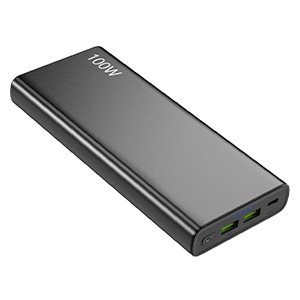
A portable power station suited to car camping and multi-device outdoor use is usually the most practical choice. For this kind of trip, a model like the GP45SE fits better than a basic power bank.
Conclusion
Outer Banks camping is rewarding for the same reason it requires a little more thought: the environment is real.
You are not camping in a softened version of the coast. You are camping in a place shaped by wind, sun, sand, and open exposure. When expectations match that reality, the trip usually feels much better.
The right campground helps. The right packing list helps more. And a practical portable power setup can make the difference between a campsite that feels slightly inconvenient and one that feels easy to live in for a few days.
That is the better way to approach the Outer Banks: not as a place that needs perfect conditions, but as a place that rewards better preparation.