

















Table of Contents
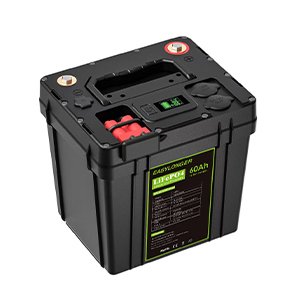
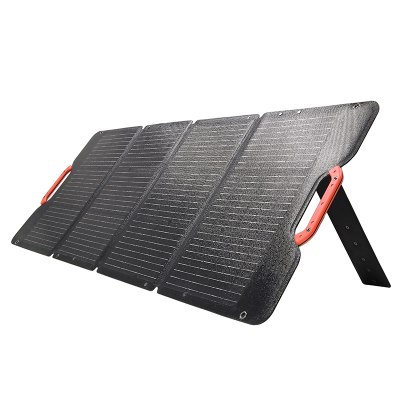
The global market for outdoor power packs and portable power stations is projected to experience a major surge in 2026. For B2B buyers, distributors, and e-commerce brands, choosing Lithium Iron Phosphate (LiFePO4) chemistry has become the gold standard due to its safety and longevity.
However, as demand spikes, the market is flooded with varying tiers of quality. A lower wholesale price might look highly attractive on a Proforma Invoice, but the hidden costs of consumer returns, Amazon negative reviews, and customs blockages can quickly destroy your profit margins.
Before you press ‘Order’ on your next bulk container of outdoor power packs, here is your technical procurement guide to spotting quality issues before they leave the factory floor.
1. The Grade-A vs. Grade-B Cell Illusion
The single most expensive component of an outdoor power pack is the battery cell. To offer suspiciously low prices, some manufacturers utilize Grade-B cells or recycled EV (Electric Vehicle) cells housed inside a brand-new plastic enclosure.
At room temperature in a testing lab, Grade-B cells may pass initial capacity checks. However, their true nature reveals itself after 50 to 100 cycles:
Rapid Capacity Degradation: While a premium LiFePO4 pack should maintain 80% capacity after 3,500+ cycles, a sub-standard pack will drop significantly within six months of consumer use.
High Self-Discharge Rates: Customers will store their power pack at 100% for an emergency, only to find it completely dead three months later.
🔍 How to spot it before ordering:
Ask for Cell Traceability & QR Codes. Top-tier cell manufacturers laser-etch a unique QR code on each cell. Reliable OEM/ODM partners can provide the original manufacturing logs and cell matching reports, proving all internal cells are from the same freshly manufactured Grade-A batch.
2. Inverter Efficiency and True vs. Rated Watt-Hours (Wh)
Many procurement managers only look at the rated capacity, such as a 500Wh or 1000Wh specification. But what matters to the end-user is Usable Energy.
Cheap outdoor power packs often suffer from high energy conversion loss due to inefficient pure sine wave inverters or poor circuit board layout. If a 500Wh power pack has an inverter efficiency of only 70%, it only delivers 350Wh of actual power to the consumer’s devices, converting the remaining 30% into dangerous heat.
🔍 How to spot it before ordering:
Request a Full-Load Efficiency Test Report. A premium, professionally engineered outdoor power pack should achieve an AC conversion efficiency rate of 85% or higher, and a DC-to-DC efficiency exceeding 90%.
3. The Brain of the Pack: BMS Thermal Management and Dynamic Balancing
LiFePO4 is inherently safer than traditional NMC lithium batteries, but it is not invincible. An uncertified, low-cost Battery Management System (BMS) is a ticking time bomb for your brand’s reputation.
A premium BMS does more than just cut off power during a short circuit; it actively manages:
Thermal Regulation: Monitoring internal temperatures via dual sensors, preventing charging below $0^\circ\text{C}$ or discharging above $60^\circ\text{C}$ (which permanently damages the cells).
Cell Balancing: Ensuring that all cells charge and discharge at the exact same rate. Without dynamic cell balancing, one weak cell will drag down the performance of the entire pack, causing early shutoffs.
🔍 How to spot it before ordering:
Ask the manufacturer for their BMS Schematics and Thermal Imaging Video under a 100% continuous discharge load. If the internal temperatures rise unevenly or exceed safety thresholds without the cooling fans or smart throttling kicking in, the BMS engineering is flawed.
4. Compliance Check: The Logistics and Customs Paperwork Audit
An outdoor power pack is classified as Class 9 Hazardous Materials for international shipping. Missing or outdated paperwork won’t just delay your shipment—it can lead to total customs seizure, heavy fines, or an outright ban on major e-commerce platforms like Amazon.
🔍 The Non-Negotiable Compliance Checklist:
Before wire transferring your deposit, verify that the factory holds fully updated, matching certifications for the exact model you are purchasing:
UN38.3 & MSDS: Mandatory for all air and sea freight.
Safety Certifications: UL2743 (for the North American market), CE / RoHS (for Europe), and PSE (for Japan).
Drop Test Reports: Proof that the structural casing can survive a 1.2-meter impact without puncturing the internal cell array.
Summary: Partnering for Reliable Power
In the competitive landscape of 2026, sourcing a reliable outdoor power pack requires looking past the outer casing and the cheapest quotation. Partnering with a manufacturer that prioritizes Grade-A LiFePO4 cell verification, smart BMS engineering, and transparent international compliance is the only way to build a sustainable, profitable brand.
Ensure Your Next Batch is Risk-Free
At Merpower, we eliminate the guesswork from outdoor power station sourcing. Our entire line of LiFePO4 power packs features certified Grade-A cells, multi-layer smart BMS protection, and a verified 88%+ inverter efficiency rate.
📥 [Download Our 2026 Portable Power Station Specification & Quality Checklist] to assist your engineering team during your next supplier audit.
📩 [Contact Our OEM/ODM Engineering Team] today to request a factory-fresh sample and comprehensive testing data.