
















Table of Contents
Why the Week After a Hurricane Can Be More Difficult Than the Storm Itself
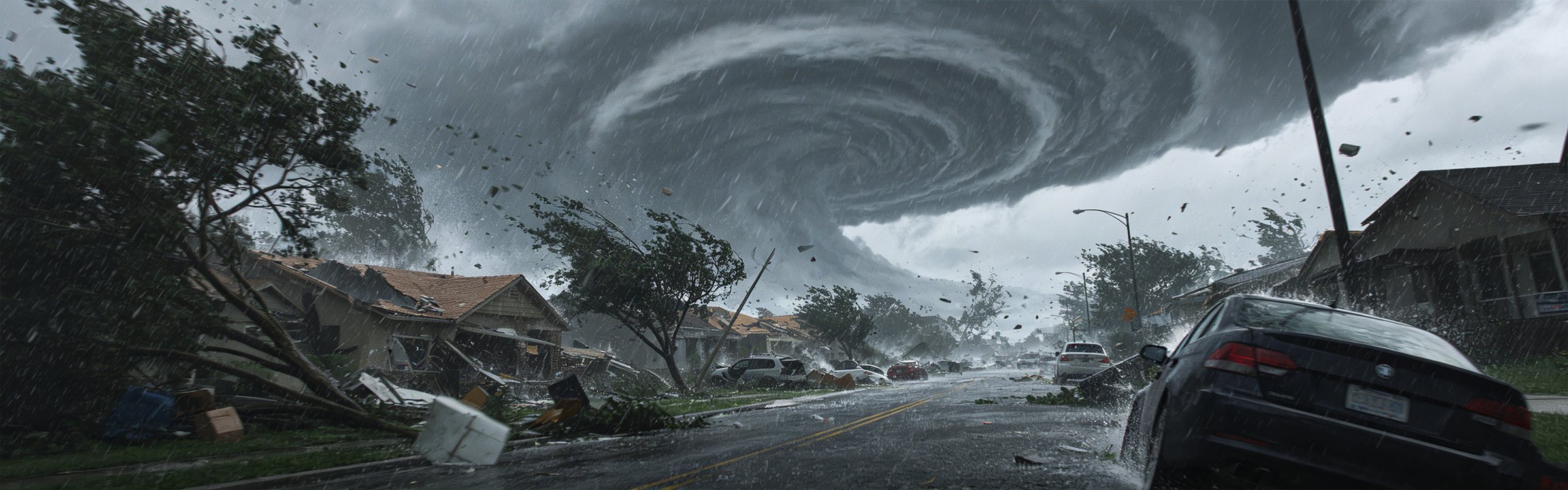
When most people think about hurricanes, they imagine high winds, heavy rain, and dramatic weather forecasts.
What often gets overlooked is what happens after the storm moves on.
Roads may be blocked. Fuel supplies can become limited. Cell towers may operate at reduced capacity. Grocery stores may close temporarily. Most importantly, electrical power can remain unavailable for days—or even weeks in some areas.
For many families, the biggest challenge isn’t surviving the hurricane itself.
It’s living without power afterward.
That reality makes hurricane preparedness less about weather and more about resilience.
Hurricane Season 2026: When the Risk Is Highest
The Atlantic hurricane season officially runs from June 1 through November 30, with activity typically peaking between August and October. Areas along the Gulf Coast, Florida, the Carolinas, and parts of the Eastern Seaboard often experience the highest levels of risk.
The mistake many homeowners make is waiting until a tropical storm appears on the forecast.
By that point:
- Store shelves may already be empty.
- Batteries become harder to find.
- Fuel stations develop long lines.
- Emergency supplies increase in price.
- Delivery times for backup power equipment become unpredictable.
The most effective hurricane preparation begins before the first storm forms.
Could Your Household Function for 72 Hours Without Electricity?
A useful exercise is asking a simple question:
If the power went out tonight, what would stop working first?
Most people immediately think of lights.
In reality, several critical systems would be affected.
Communication
Smartphones have become our primary emergency tool.
Without power:
- Phone batteries eventually die.
- Power banks become depleted.
- Communication becomes limited.
Internet Access
Many people now depend on internet access for:
- Weather updates
- Emergency alerts
- Remote work
- Family communication
Even if internet infrastructure remains operational, routers and networking equipment still require electricity.
Refrigeration
A refrigerator full of food can represent hundreds of dollars in groceries.
Extended outages increase the risk of food spoilage and waste.
Medical Equipment
Certain households rely on powered devices such as:
- CPAP machines
- Medical monitoring equipment
- Mobility support devices
These systems often require priority backup power planning.
Lighting and Safety
After sunset, basic visibility becomes a safety concern.
Reliable lighting improves navigation, security, and emergency response capabilities.
The Hidden Costs of a Long-Term Power Outage
People often focus on inconvenience.
The actual costs can be much higher.
Food Loss
A refrigerator outage can result in significant food waste.
Replacing spoiled groceries may cost far more than many homeowners expect.
Lost Productivity
Remote workers increasingly depend on:
- Laptops
- Internet equipment
- Charging devices
Even a short outage can disrupt business operations.
Communication Gaps
Without power, staying informed becomes more difficult.
Emergency alerts, evacuation updates, and local information may be harder to access.
Increased Stress
One of the most underestimated effects of extended outages is uncertainty.
People become concerned about:
- Remaining battery levels
- Fuel availability
- Weather updates
- Family communication
Prepared households experience significantly less stress during emergency situations.
Building a 72-Hour Emergency Power Plan
Emergency management agencies commonly recommend preparing for at least 72 hours of self-sufficiency.
A good starting point is identifying essential devices.
Typical Daily Energy Requirements
| Device | Approximate Daily Energy Use |
|---|---|
| Smartphone | 10–20Wh |
| LED Light | 10–30Wh |
| Wi-Fi Router | 50–120Wh |
| Laptop | 50–200Wh |
| Portable Radio | 10–30Wh |
| CPAP Machine | 150–400Wh |
Actual usage varies by device and operating time.
The goal is not to power everything.
The goal is to prioritize what matters most.
Create an Energy Priority List
A practical emergency power plan often follows this order:
- Communication devices
- Medical equipment
- Emergency lighting
- Internet access
- Food preservation
- Comfort devices
This approach ensures limited power resources are used effectively.
How to Prepare for a 7-Day Outage Without a Generator
Many homeowners assume generators are the only solution.
In reality, portable battery systems have become increasingly popular because they require:
- No fuel storage
- No engine maintenance
- No startup procedures
- No exhaust emissions
Reduce Daily Energy Consumption
Small adjustments can significantly extend available power.
Examples include:
- Lowering screen brightness
- Charging devices during daylight hours
- Using LED lighting
- Minimizing unnecessary electronics
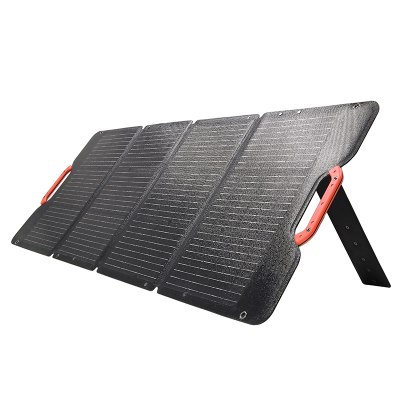
Consider Solar Recharging
Solar panels can help replenish stored energy during prolonged outages.
Even modest solar input can extend the usefulness of battery-based emergency systems.
Focus on Essential Loads
Emergency power planning works best when focused on critical needs rather than attempting to replicate normal household energy usage.
Portable Battery Systems vs Gas Generators
Many homeowners compare these two solutions.
Both have advantages.
| Factor | Portable Battery System | Gas Generator |
|---|---|---|
| Noise | Very Quiet | Loud |
| Fuel Required | No | Yes |
| Indoor Use | Generally Suitable | No |
| Maintenance | Minimal | Regular |
| Startup Time | Instant | Manual |
| Emissions | None | Exhaust Emissions |
| Portability | High | Moderate |
Generators remain useful for high-power household loads.
Portable battery systems are often preferred for communication, lighting, electronics, and emergency preparedness.
A Practical Emergency Backup Setup for Families
Every household has different requirements.
Small Household
Typical priorities:
- Phones
- Flashlights
- Router
- Laptop
A compact backup battery may provide enough energy for several days of essential use.
Family Household
Additional priorities may include:
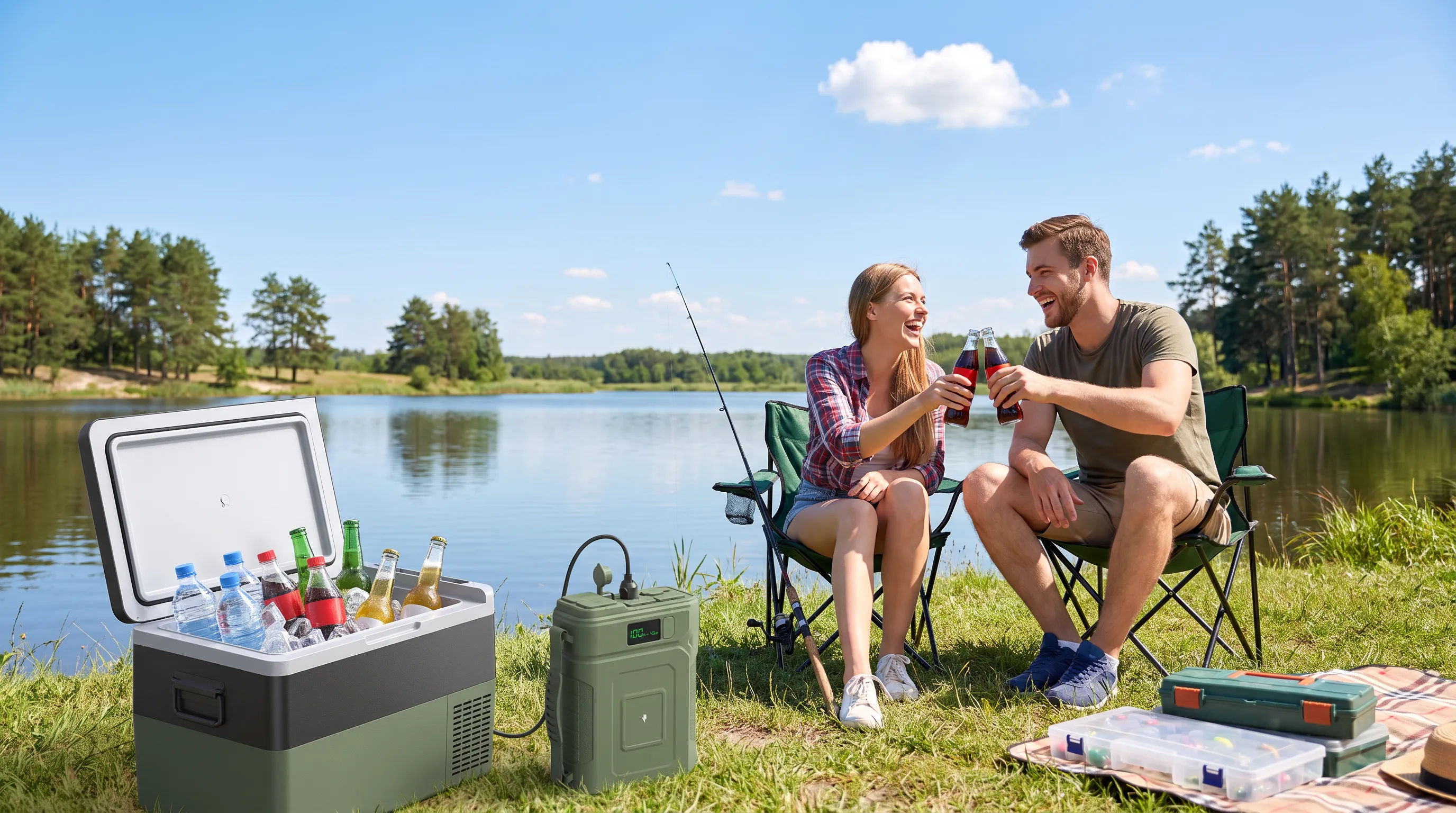
- Portable refrigeration
- Multiple smartphones
- Tablets
- Emergency lighting
Larger energy reserves become increasingly valuable.
Households with Medical Devices
Medical equipment requires a more conservative approach.
Backup systems should be sized with additional safety margins.
A Flexible Portable Power Solution
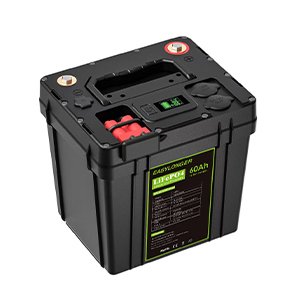
Many homeowners are moving toward LiFePO4-based backup systems because of their long cycle life, safety characteristics, and reliability.
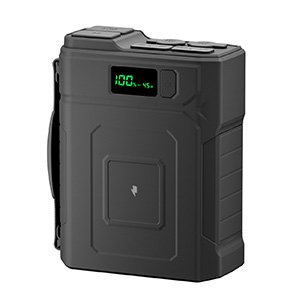
For example, the Merpower GP45SE combines a 384Wh LiFePO4 battery with USB-C outputs, DC ports, Anderson connectivity, solar charging support, and portable operation.
Rather than attempting to power an entire home, systems like this are designed to keep critical devices running when they matter most.
What to Do During and Immediately After the Storm
Protect Electronics
Disconnect sensitive equipment if power fluctuations occur.
Surges can damage electronics even before a complete outage develops.
Monitor Battery Usage
Avoid draining backup systems unnecessarily during the first hours of an outage.
Storm recovery timelines are often uncertain.
Stay Informed
Reserve power for:
- Weather alerts
- Emergency notifications
- Family communication
Information becomes one of the most valuable resources during disaster recovery.
Begin Recharging When Safe
Once conditions improve, recharge backup systems whenever opportunities become available.
Solar charging can be especially useful when grid restoration is delayed.
Frequently Asked Questions
How much backup power should a family have for hurricane season?
The answer depends on the number of devices and outage duration. Many families plan for at least 72 hours of essential power.
Can a portable battery run a refrigerator?
Some portable refrigerators and low-power cooling systems can operate from battery storage. Runtime depends on battery capacity and appliance consumption.
Are portable battery systems safer than generators indoors?
Battery systems do not produce exhaust gases, making them suitable for indoor use when used according to manufacturer guidelines.
Is solar charging useful after a hurricane?
Yes. Solar charging can help replenish stored energy during extended outages when grid power remains unavailable.
What should be included in a hurricane emergency kit?
Water, food, flashlights, radios, batteries, medications, first-aid supplies, communication devices, and backup power solutions are all commonly recommended.
The Best Hurricane Preparation Happens Before the Forecast Appears
Every hurricane season brings uncertainty.
Some storms weaken before landfall. Others strengthen unexpectedly.
What remains consistent is the importance of preparation.
The families that navigate outages most comfortably are rarely the ones rushing to buy supplies the day before a storm arrives. They are the ones who planned ahead, tested their equipment, and built a realistic strategy for communication, lighting, refrigeration, and emergency power.
A hurricane may last only a few hours.
The power outage that follows can last much longer.
Preparing for that reality today can make all the difference tomorrow.