
















Table of Contents
When hiking in remote areas, power is no longer a luxury—it’s a necessity. From smartphones and GPS devices to headlamps, cameras, and emergency communication tools, modern hikers rely heavily on electronics. Choosing the best power bank for hiking can mean the difference between a smooth adventure and a dangerous situation.
This guide explains how to choose the right hiking power bank based on capacity, weight, safety, and real-world outdoor use—so you can hike farther, safer, and with confidence.
Why Hikers Need a Dedicated Power Bank (Not a Standard Phone Charger)
Many people assume any power bank will work outdoors. In reality, hiking power needs are very different from daily urban use.
Hiking Power Challenges:
No access to wall outlets
Long durations (multi-day trips)
Extreme temperatures
Increased safety risks if devices fail
Devices Commonly Used on the Trail:
Smartphone (maps, photos, emergency calls)
GPS device
Headlamp or camping light
Action camera
Satellite communicator
Small 12V camping accessories (lights, air pumps)
A dedicated outdoor power bank is designed to handle these challenges with higher durability, better safety systems, and more versatile outputs.
What Makes the Best Power Bank for Hiking?
1. Capacity – How Much Power Do You Really Need?
Capacity is usually expressed in watt-hours (Wh), which is more meaningful than mAh for outdoor users.
Recommended Capacity by Trip Length
| Hiking Duration | Recommended Capacity |
|---|---|
| Day hike | 50–100Wh |
| 2–3 days | 100–200Wh |
| 4+ days / Base camp | 200–300Wh |
Example power consumption:
Smartphone (15Wh): ~5–6 full charges from a 100Wh power bank
Headlamp (5Wh): 15–20 charges
GPS device (10Wh): 8–10 charges
💡 Tip: Always plan for 20–30% extra capacity for emergencies.
2. Weight & Size – Why Portability Matters More Than You Think
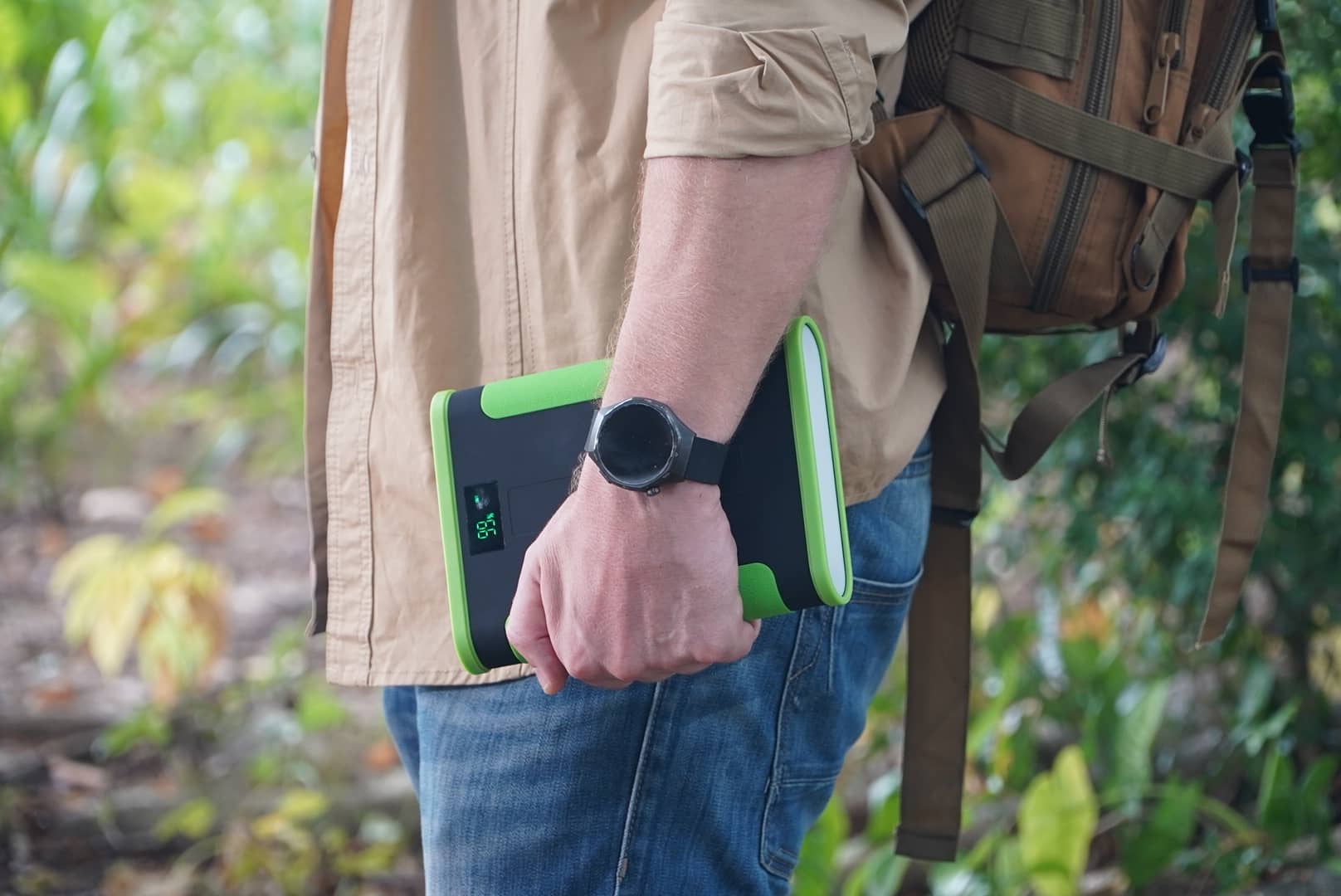
Every gram matters in your backpack.
A good hiking power bank should:
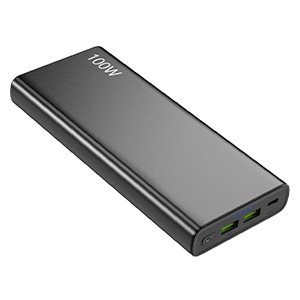
Be compact and flat
Fit easily into a backpack pocket
Balance power capacity and weight
Merpower GP16, for example, is designed for lightweight hiking and travel, offering enough capacity for essential devices without adding unnecessary bulk.
3. Safety – The Most Overlooked Factor in Hiking Power Banks
Cheap power banks can be dangerous outdoors. Overheating, swelling, or sudden shutdowns are common problems—especially in hot or cold environments.
This is where battery safety technology becomes critical.
Battery Type Explained: Li-ion vs LiFePO4 for Hiking
| Feature | Li-ion | LiFePO4 |
|---|---|---|
| Safety | Medium | High |
| Thermal stability | Moderate | Excellent |
| Cycle life | 1000+ cycles | 2000+ cycles |
| Outdoor reliability | Average | Excellent |
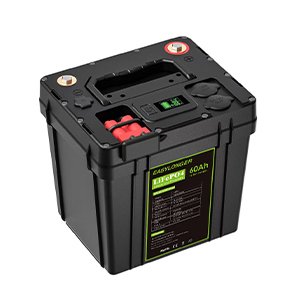
LiFePO4 batteries are increasingly preferred for outdoor and hiking use due to their superior stability and long lifespan.
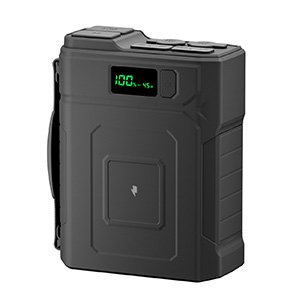
High-capacity models like Merpower GP50 use advanced battery chemistry designed for reliable outdoor performance, even in demanding conditions.
Why BMS (Battery Management System) Is Critical for Hiking
What Is a BMS?
A Battery Management System (BMS) is the “brain” of a power bank. It constantly monitors and protects the battery.
Key BMS Protections for Hikers
Overcharge protection
Over-discharge protection
Over-current protection
Temperature monitoring
Short-circuit protection
Cell balancing
Real Hiking Scenarios Where BMS Matters
Charging multiple devices at once
High temperatures on summer trails
Cold nights affecting battery performance
Long continuous discharge
All Merpower outdoor power banks (GP16, GP20, GP50) are equipped with advanced BMS protection, ensuring safe and stable power delivery in real-world outdoor conditions.
Output Options – What Should a Hiking Power Bank Support?
Essential Outputs for Hiking
USB-C (PD): Fast charging for phones, cameras, GPS
USB-A: Universal compatibility
DC Output / 12V: For camping accessories
Wireless charging: Convenient for quick top-ups
| Device | Required Output |
|---|---|
| Smartphone | USB-C / USB-A |
| GPS | USB |
| Headlamp | USB |
| Action camera | USB |
| 12V camping light | DC / Cigar port |
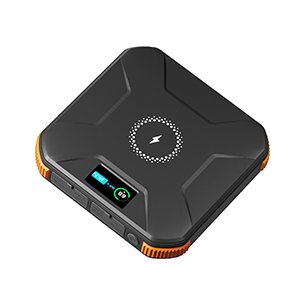
The Merpower GP20 strikes an excellent balance for hikers who want USB-C fast charging plus DC output in a compact form factor.
Cold Weather & Remote Area Hiking Considerations
Battery performance drops in cold environments. To reduce power loss:
Store the power bank inside your backpack
Avoid leaving it exposed overnight
Choose models with stable chemistry and strong BMS
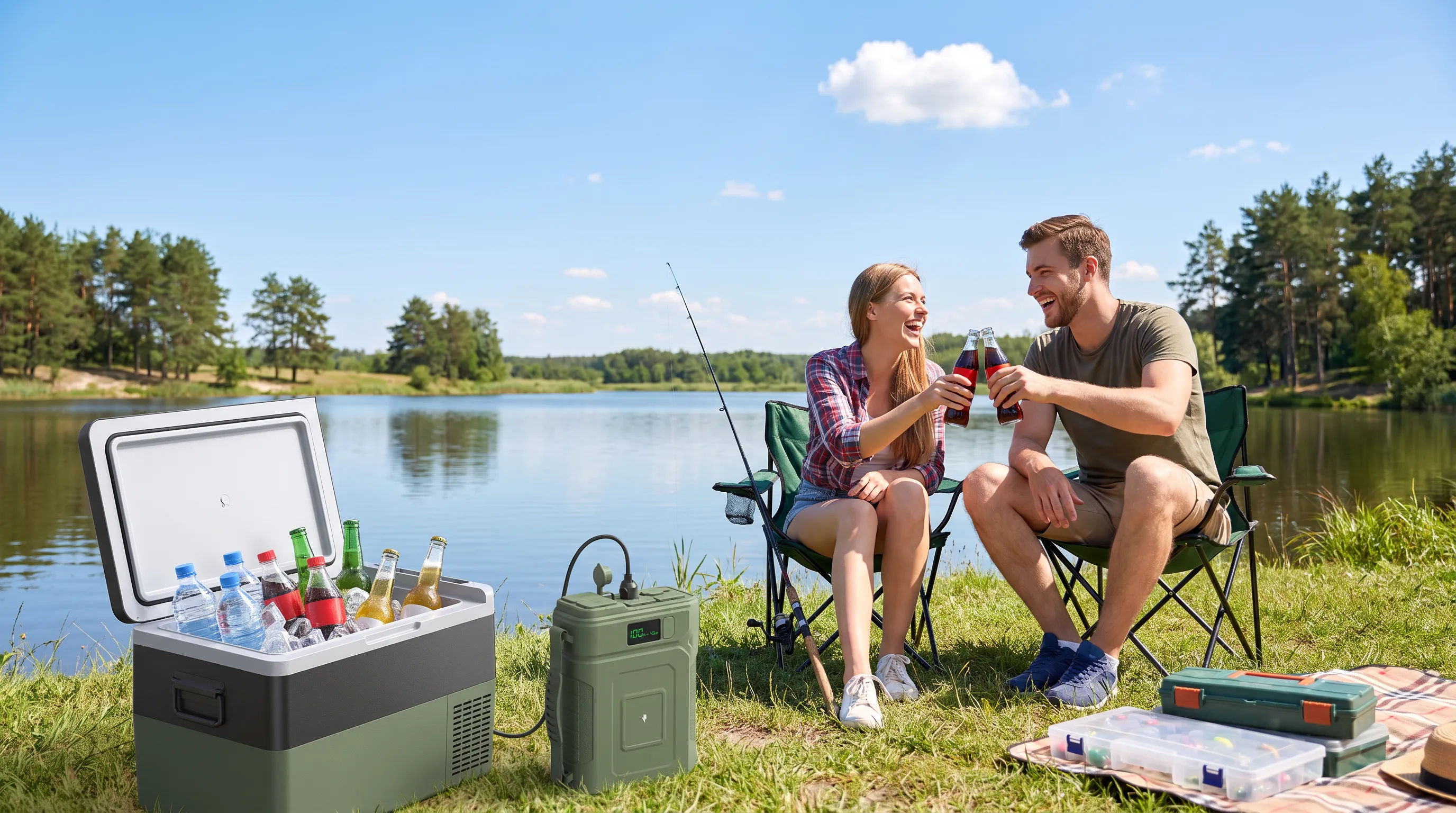
Higher-end outdoor power banks like Merpower GP50 are better suited for winter hiking, fishing trips, and remote camping, where reliability is critical.
Example Setup: Choosing the Right Power Bank for Different Hiking Styles
Lightweight Day Hiking
Recommended: Merpower GP16
Why: Compact, lightweight, enough for phone + GPS
Multi-Day Backpacking
Recommended: Merpower GP20
Why: Higher capacity, USB-C PD, versatile outputs
Base Camp / Long Outdoor Trips
Recommended: Merpower GP50
Why: Large capacity, advanced safety, multiple device support
Final Checklist: How to Choose the Best Power Bank for Hiking
✔ Capacity matches trip duration
✔ Lightweight and backpack-friendly
✔ Safe battery chemistry
✔ Advanced BMS protection
✔ Outputs match your devices
✔ Designed for outdoor conditions
Conclusion: Choose Smart, Hike Farther
The best power bank for hiking isn’t just about the biggest number on the label. It’s about balance—capacity, weight, safety, and reliability.
Whether you’re planning a short trail hike or an extended outdoor adventure, choosing a well-designed outdoor power bank—such as the Merpower GP16, GP20, or GP50—can give you peace of mind, safety, and the freedom to explore without worrying about power.