
















Introduction
For many people, panfish are where fishing really begins.
They’re aggressive, widely available, beginner-friendly, and honestly… just fun to catch. You don’t need expensive equipment, a large boat, or years of experience to start catching panfish consistently. A simple rod, a few small lures, and a local pond can be enough to turn a quiet afternoon into a surprisingly productive fishing trip.
That’s one reason panfish remain incredibly popular across the United States. Families fish for them. Kayak anglers target them. Campers catch them from docks and shorelines. Even experienced bass fishermen often return to panfish because the action stays consistent throughout much of the year.
But successful panfishing is not only about identifying fish species.
A comfortable, well-prepared fishing setup matters too—especially during longer trips where lighting, phone batteries, fish finders, and portable coolers become part of the experience.
This guide covers the most common types of panfish, where to find them, beginner-friendly gear setups, and how modern portable power systems are quietly improving full-day fishing trips.
What Counts as a Panfish and Why They’re Perfect for Beginners
The term “panfish” usually refers to smaller freshwater species that are easy to catch and small enough to fit into a frying pan—hence the name.
Common panfish species include:
- bluegill
- crappie
- perch
- pumpkinseed sunfish
- redear sunfish
What makes them perfect for beginners is consistency.
Panfish tend to school together, feed aggressively during active periods, and live in accessible waters like ponds, lakes, rivers, and reservoirs.
You also don’t need complicated fishing techniques to catch them.
A lot of beginners actually make panfishing harder than it needs to be. They use oversized hooks, heavy fishing line, or fish too deep when the fish are feeding closer to structure near shore.
Simple setups usually work best.
Types of Panfish to Know First (and How to Tell Them Apart)
Bluegill
Bluegill are probably the most beginner-friendly panfish in North America.
They have a round, flat body with blue or dark coloring around the gill area. During warmer months, bluegill often move into shallow water near weeds, docks, and shoreline cover.
They bite aggressively and are very forgiving for new anglers.
If someone wants to introduce a child or first-time fisherman to freshwater fishing, bluegill are usually the easiest place to start.
Crappie
Crappie are slightly more technical but still very beginner accessible.
There are two main types:
- black crappie
- white crappie
They tend to school heavily and often suspend around submerged structure like brush piles, fallen trees, and docks.
Crappie fishing becomes especially popular during spring spawning periods when fish move shallower and become more active.
Many anglers consider crappie one of the best-tasting freshwater fish as well.
Pumpkinseed Sunfish
Pumpkinseed sunfish are easy to recognize because of their bright, colorful appearance.
They’re commonly found in weedy shallows and calm freshwater areas.
These fish are smaller but extremely active, making them ideal for lightweight tackle and relaxed shoreline fishing.
Yellow Perch
Yellow perch prefer slightly cooler water and often move in schools.
Their striped bodies make them easy to identify.
Perch are popular because they remain active during colder seasons and provide steady action during ice fishing as well.
Redear Sunfish
Redear sunfish, often called “shellcrackers,” feed heavily near the bottom.
They’re known for crushing snails and small shellfish using strong teeth plates.
Compared to bluegill, redear sunfish are often slightly larger and fight surprisingly hard for their size.
Where Panfish Hold: Depth, Cover, and Seasonal Movement
One of the biggest keys to catching more panfish is understanding where they move throughout the year.
Spring Panfish Patterns
Spring is one of the easiest times to catch panfish.
As water temperatures warm, fish move into shallow spawning areas near shorelines, grass beds, and protected coves.
This is when many beginner anglers experience fast action with simple bobber setups.
Summer Structure and Shade
During summer heat, panfish often hold near:
- docks
- weed edges
- fallen trees
- shaded shoreline structure
Midday fishing slows down in direct sunlight, so early morning and evening periods usually produce better results.
Fall Transition Areas
As temperatures cool, panfish begin moving toward slightly deeper transition zones.
They often group together more tightly during this period, which can create excellent fishing once schools are located.
Winter Panfish Locations
In winter, panfish generally become slower and hold deeper.
Small presentations and slower movements become more important during cold-water conditions.
Simple Panfish Setup: Baits, Lures, Rods, and Beginner-Friendly Rigs
Panfishing works best when gear stays simple.
Lightweight Rods and Reels
Ultralight or light spinning setups are ideal because they improve casting control and make smaller fish feel much more exciting.
Heavy equipment actually reduces sensitivity for panfish fishing.
Live Bait vs Artificial Lures
Live worms remain one of the easiest and most reliable options for beginners.
Other effective choices include:
- minnows
- wax worms
- small soft plastics
- micro jigs
Artificial lures work especially well when fish become more aggressive during warmer periods.
Easy Beginner Rigs
The classic bobber rig still works extremely well.
A simple float, small hook, split shot, and worm can catch almost every major panfish species.
Small jig setups also perform consistently around docks and submerged structure.
Common Beginner Mistakes
A lot of new anglers use:
- oversized hooks
- heavy line
- lures that are too large
Panfish generally respond better to subtle presentations and smaller bait profiles.
Powering a Comfortable, Safer Full-Day Fishing Trip
Modern fishing trips rely on more electronics than many people realize.
Even casual anglers now carry:
- phones
- GPS apps
- fish finders
- action cameras
- portable aerators
- LED lighting systems
That becomes especially important during:
- sunrise fishing
- night fishing
- kayak fishing
- remote shoreline trips
- camping + fishing weekends
The problem is that long hours outdoors drain batteries quickly.
A dead phone battery is inconvenient. A dead GPS or lighting setup near water after dark can become a safety issue.
That’s one reason portable DC power systems are becoming increasingly common among anglers.
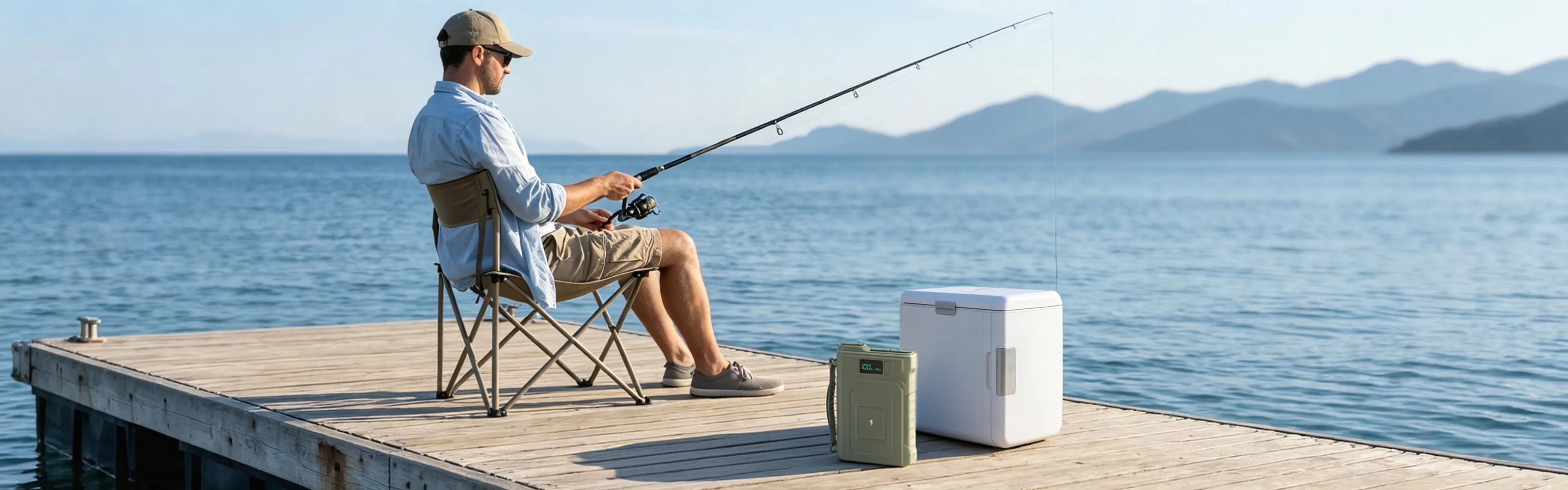
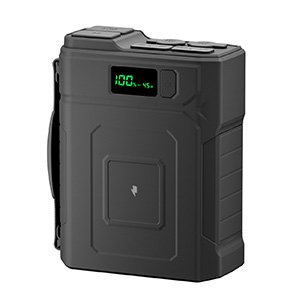
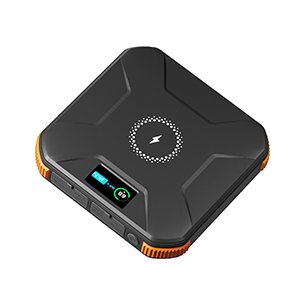
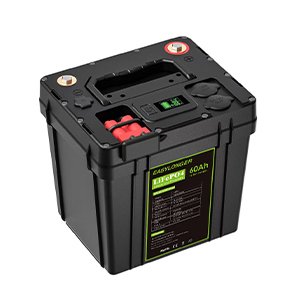
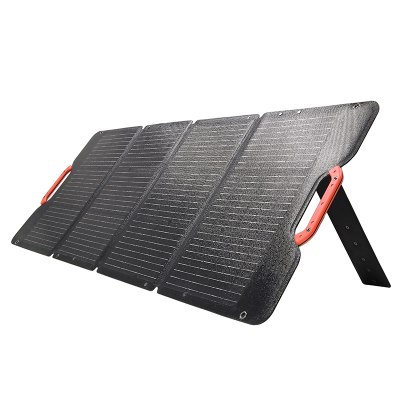
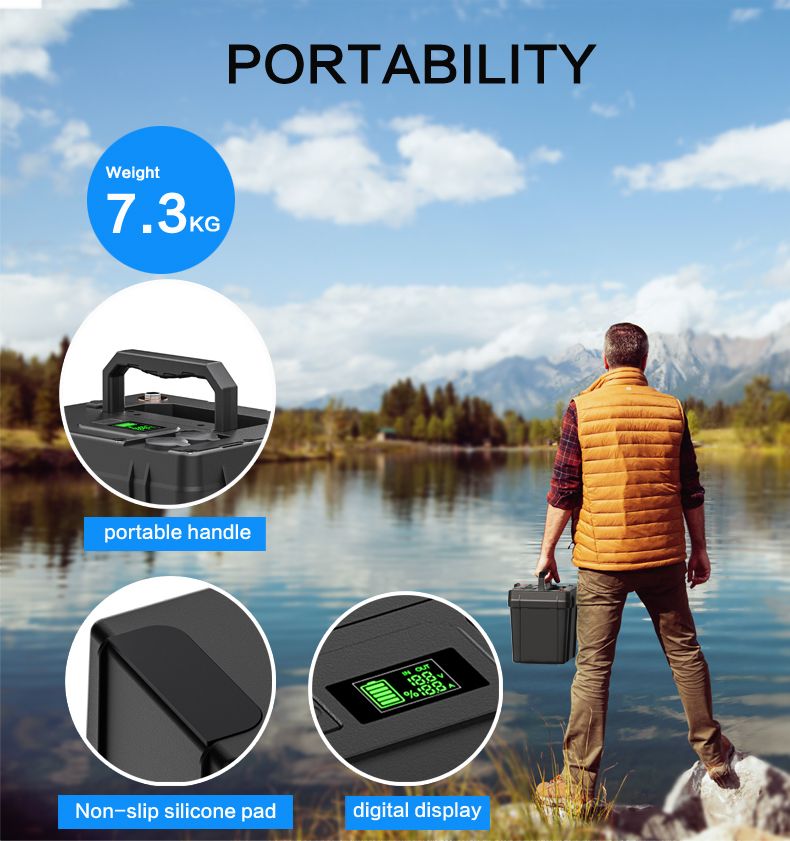
Instead of carrying multiple small battery packs, many fishermen now use compact portable power systems that can support several devices simultaneously.
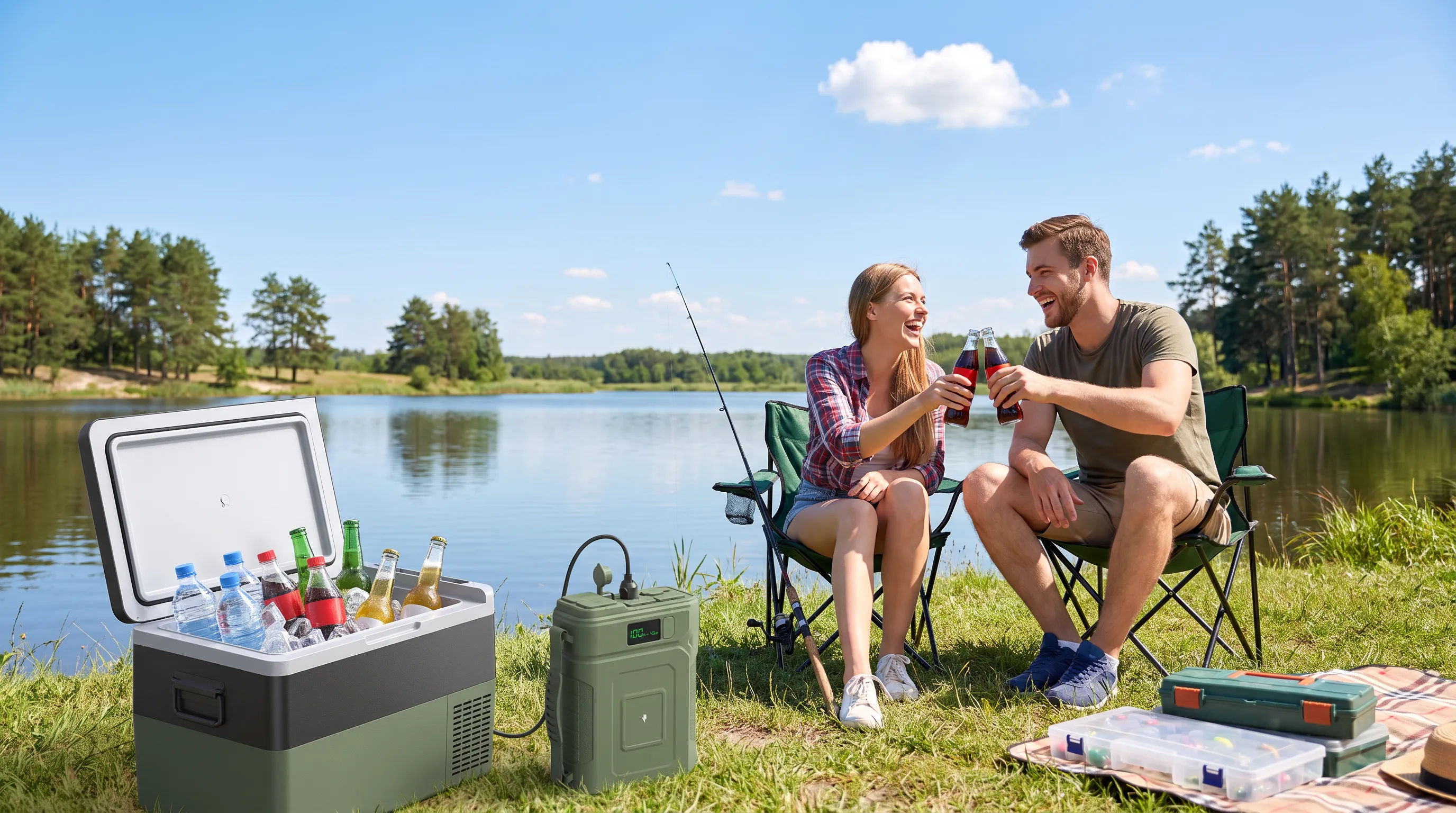
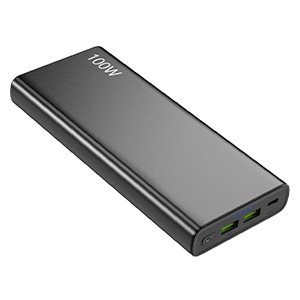
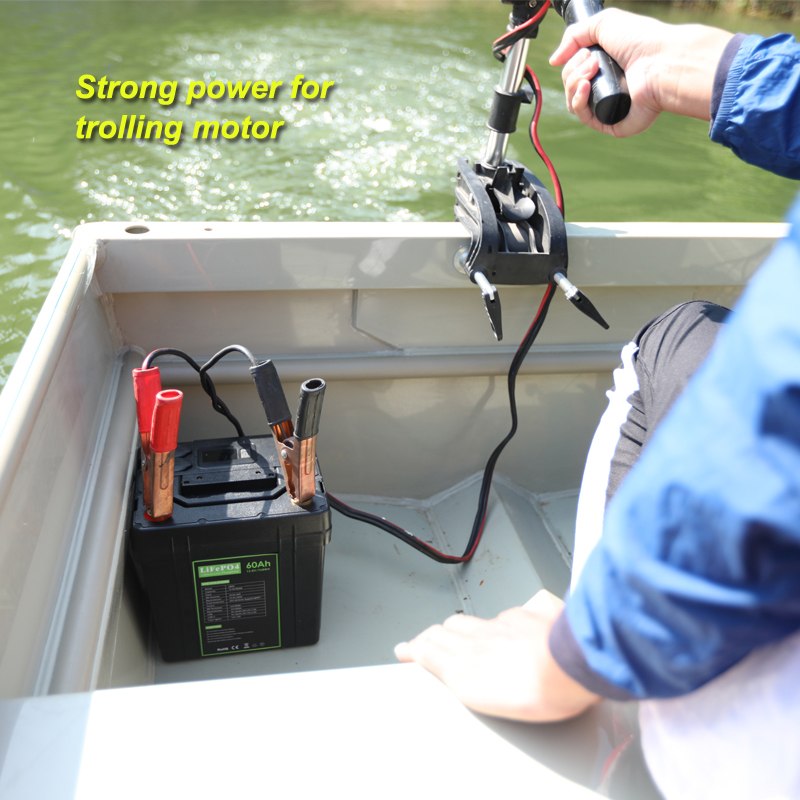
Portable systems like the Merpower GP series provide stable DC power for:
- USB-C device charging
- fish finders
- portable lighting
- coolers
- communication devices
And unlike fuel generators, they operate quietly—which matters a lot near calm water and fishing environments.
How Portable Power Improves Fishing Comfort and Confidence
A lot of beginner anglers leave early not because the fishing slows down, but because their setup becomes uncomfortable.
Phones die.
Lighting disappears.
Portable aerators stop running.
Cold drinks get warm.
Portable power quietly solves many of these small frustrations.
For longer fishing days, reliable DC power helps support:
- safer shoreline movement after dark
- longer morning/evening sessions
- better fish storage conditions
- communication reliability
- portable refrigeration for bait and drinks
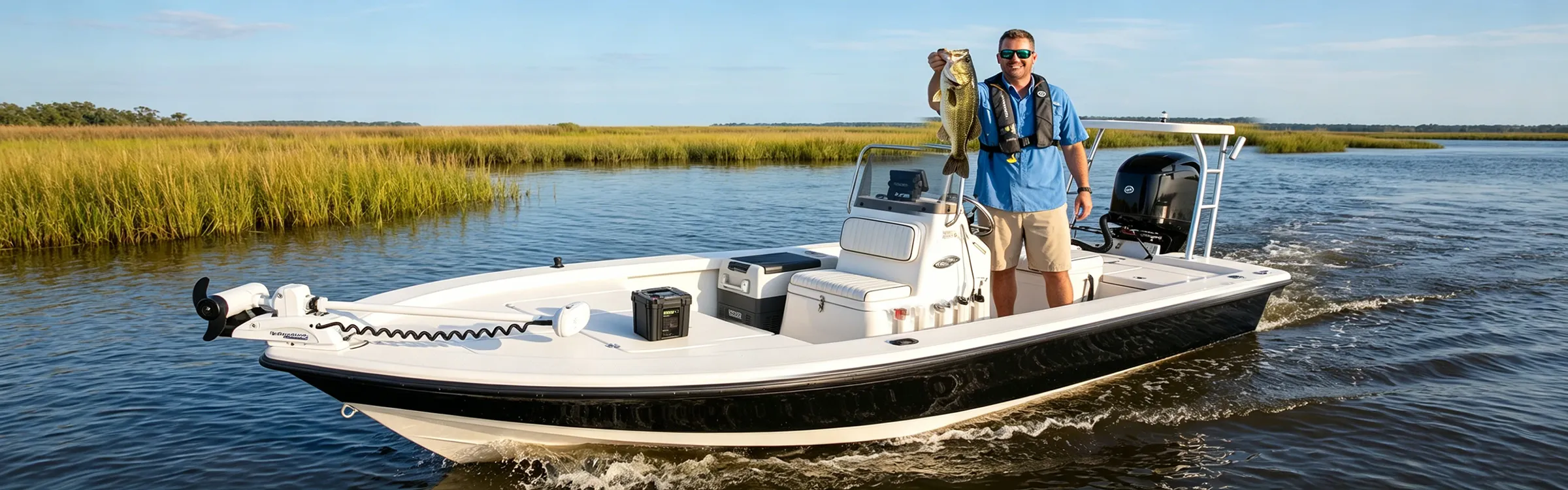
Especially for kayak anglers and dock fishermen, compact portable energy systems create a more stable and flexible setup without adding much complexity.
Practical Tips for Beginner Panfish Anglers
Fish During Low-Light Periods
Morning and evening are usually the most productive times.
Focus on Structure First
Panfish almost always relate to cover:
- docks
- weeds
- fallen trees
- rocks
Move Frequently
If bites stop completely, reposition.
Panfish schools move constantly.
Keep Your Setup Simple
Overcomplicated tackle often hurts beginner success rates.
Bring Backup Lighting and Power
Fishing sessions often last longer than expected once the action improves.
Frequently Asked Questions
What is the easiest panfish to catch for beginners?
Bluegill are generally considered the easiest species for first-time anglers.
What bait works best for panfish?
Worms, minnows, and small jigs all work extremely well.
What time of day are panfish most active?
Early morning and evening periods usually produce the best bite activity.
Do I need a fish finder for panfish?
No, but fish finders can help locate schools more consistently.
Why do anglers bring portable power on fishing trips?
Portable power supports electronics, lighting, communication devices, and portable cooling systems during longer trips.
Longer Trips, Better Catches, More Confidence
Panfishing remains one of the easiest and most rewarding ways to enter freshwater fishing.
The gear stays simple. The learning curve feels manageable. And success comes faster than many other fishing styles.
But modern fishing is also becoming more equipment-dependent than before.
Reliable lighting, navigation, communication, and portable cooling systems now play a much bigger role in full-day outdoor trips.
Whether you’re fishing from a dock, kayak, shoreline campsite, or small boat, stable portable power can help extend your time on the water, improve comfort after dark, and make the entire experience feel more prepared and enjoyable.